Zerodha now earns 32% of its revenue from interest on customer money
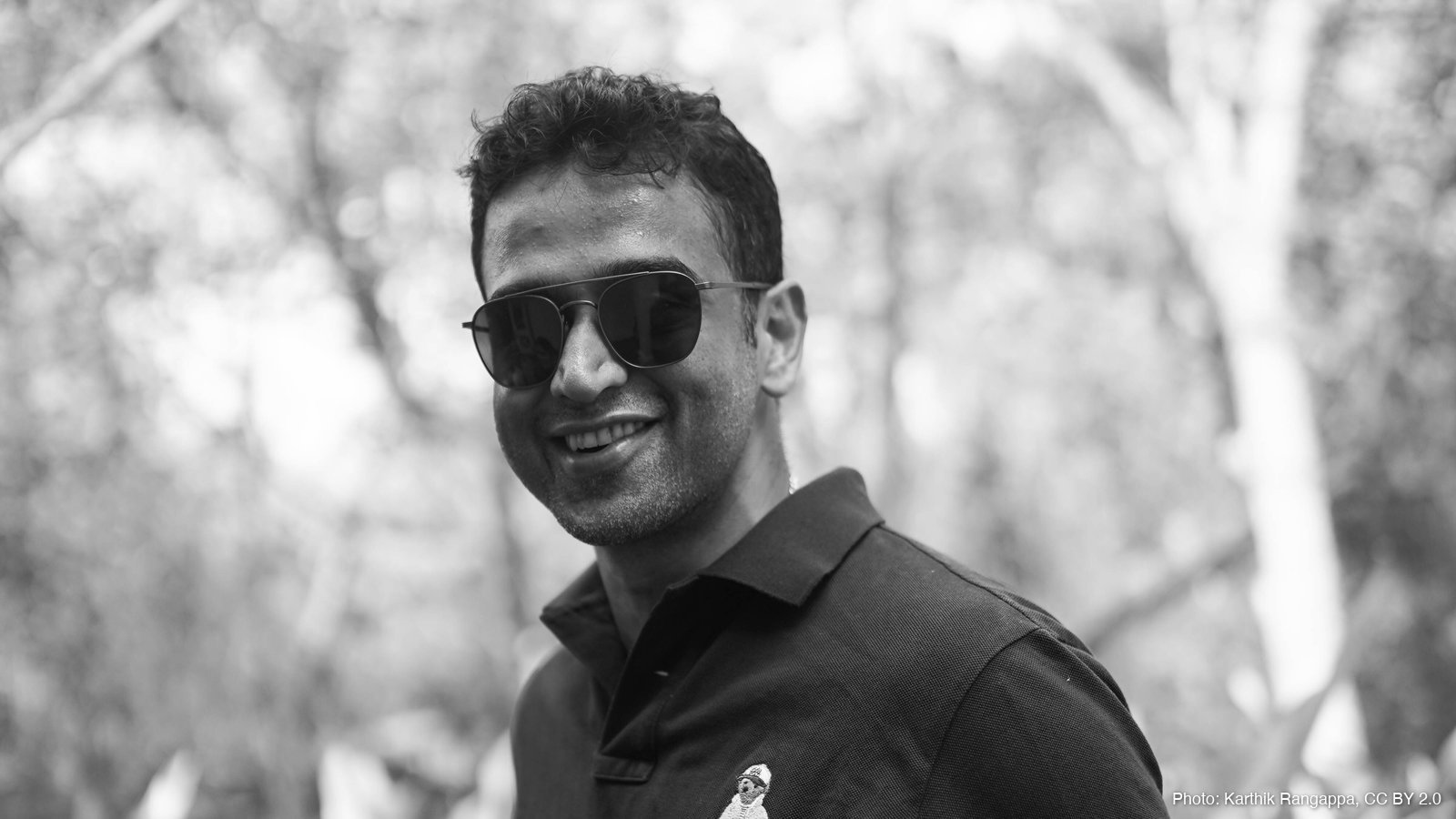
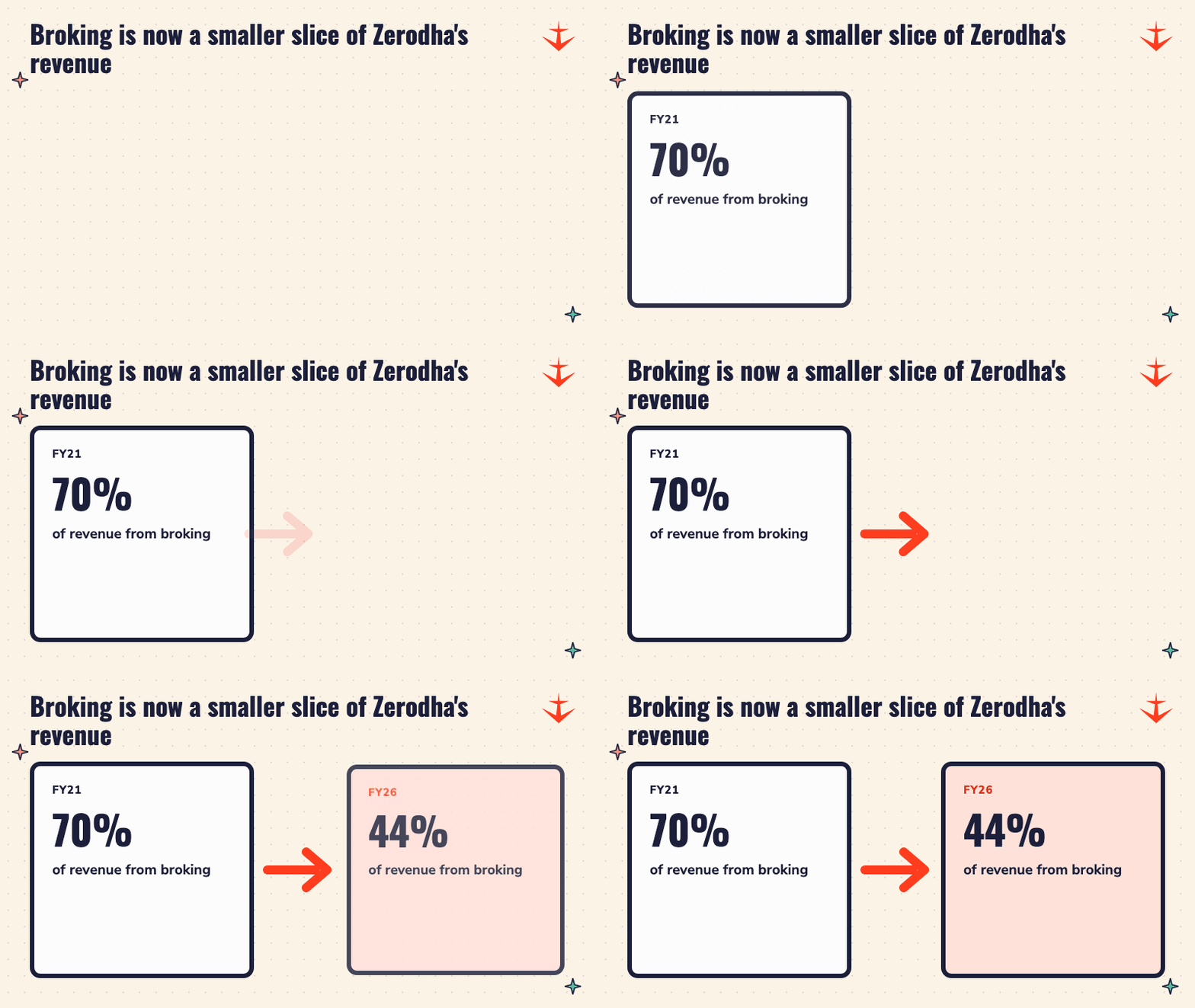
Broking fell to 44% of Zerodha's income in FY26 from 70% in FY21, after SEBI's F&O rules cut trading fees and brokers turned to float and loans.
Picture India's biggest trading app by customer money. Now guess where nearly one in every three rupees of its income came from last year. Not from trades. From interest on money that customers simply left sitting in their accounts.
That is the picture of Zerodha's 2025-26 year (FY26, April 2025 to March 2026). Interest earned on customer funds made up 32% of Zerodha's FY26 revenue, according to a Moneycontrol report dated 27 October 2026 that Mint followed up on 28 October. Broking, the fee for buying and selling shares for you, fell to just 44% of revenue, down from 70% in FY21.
So how does a "zero brokerage" app make thousands of crores? Here is the simple version.
First, who is Zerodha?
Zerodha is a Bengaluru stockbroker started in August 2010 by brothers Nithin and Nikhil Kamath. A stockbroker is like a middleman at a mandi. You cannot walk onto the stock exchange yourself, so the broker places your order and charges a small fee.
Zerodha was the first in India to offer zero fees for equity investing, where you buy a share and keep it. For years it made most of its money from traders who bet on short price moves using futures and options, or F&O. Those are contracts that let you bet on where a price will go without buying the share itself.
In FY26 Zerodha earned a net profit of Rs 4,283 crore, up 1.2%, The Economic Times reported. Revenue stayed about the same as the year before, when it was Rs 8,847 crore. Two years earlier, at the peak of the trading boom in FY24, revenue was Rs 9,994 crore.
What is "float", in samosa terms?
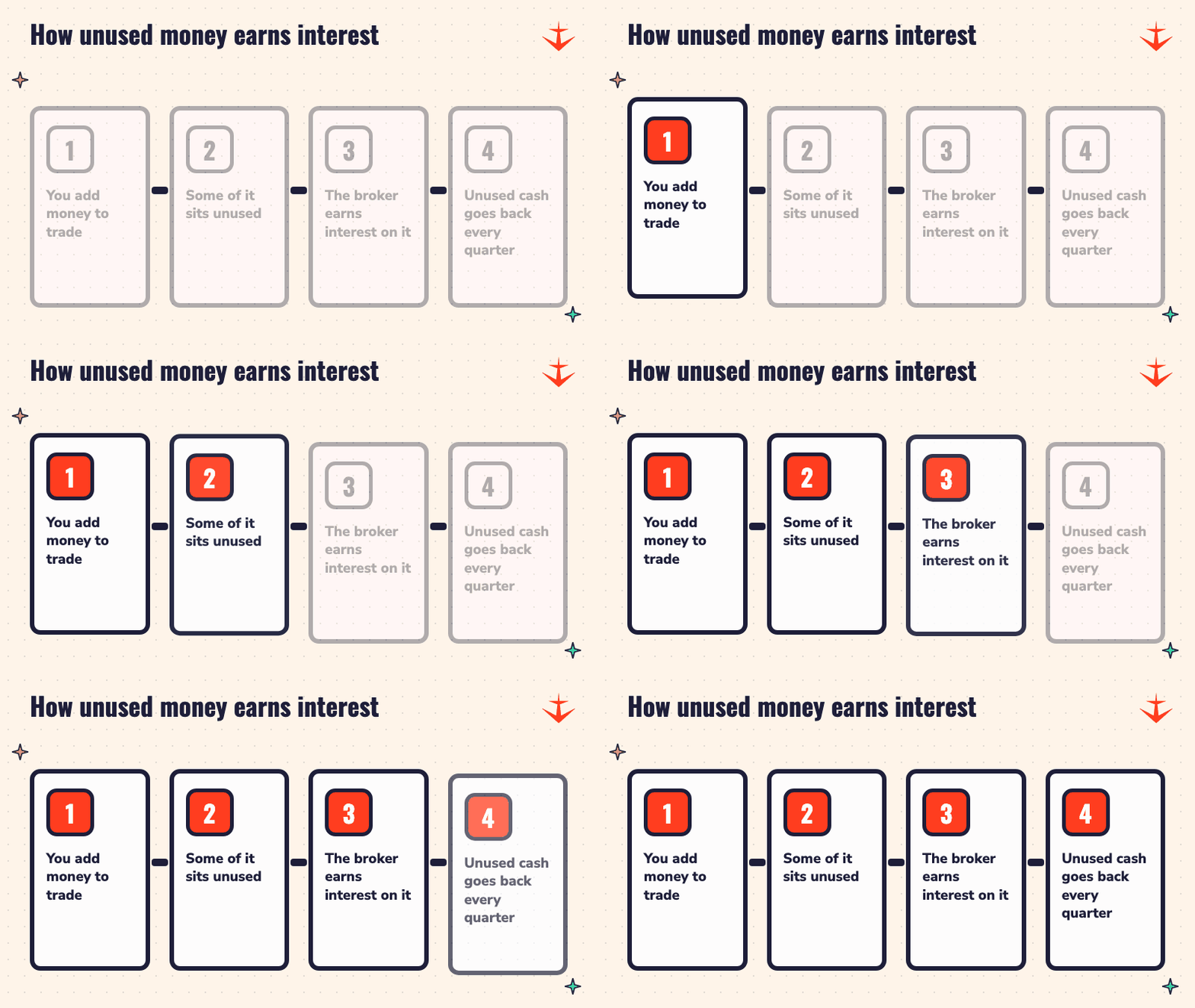
Imagine a samosa stall near a college. Students pay Rs 500 in advance at the start of the month and eat on credit. On any given day, a lot of that advance is not yet spent. A smart stall owner keeps the unspent money in a bank and earns a little interest on it. The students still get their samosas. The owner gets a second, quiet income.
That unspent money is called float. In a trading app, it is the money you add to your account to trade, but have not used yet. Across lakhs of customers, even small balances add up to a huge pile. Zerodha earns interest on its cash balances and other interest-earning holdings, Inc42 explained.
There is a limit. Rules make brokers send unused money back to customers' banks every quarter. YourStory, summing up Nithin Kamath's anniversary post, wrote that this is why broking lacks compounding: the quarterly fund settlement sends unused cash back, so every quarter starts with a clean slate.
Why did the trading fees shrink?
The big reason is the market regulator, SEBI. Over the past two years it made F&O trading tighter and costlier. It brought "true-to-label" pricing rules and limits around expiry days, according to Inc42. Kamath listed more changes in a blog post: a higher Securities Transaction Tax (STT) on options, and only two weekly options contracts left. STT is a small tax paid on every share or options trade.
The true-to-label rule ended the rebates that exchanges used to give brokers. Zerodha's income from those transaction charges fell to zero in FY26, from Rs 400 crore a year earlier, The Economic Times reported. Its brokerage income fell nearly 11% to Rs 2,738 crore.
Think of it like a cricket ground that stops selling tickets for the busiest weekday matches. Fewer matches, fewer tickets, less money for the ground. In the first quarter of FY26, Zerodha's revenue fell at least 40%, Kamath said in a statement Inc42 reported.
Even now, F&O is most of what is left. Eighty-five per cent of Zerodha's broking revenue in FY26 still came from F&O trading, the Moneycontrol numbers show.
The other new money maker: lending
When the samosa sales slow down, the stall owner starts lending small amounts and charging interest. Zerodha did something like that.
In December 2024 it started margin trading funding, or MTF. With MTF, a customer buys shares using partly their own money and partly money borrowed from the broker, and pays interest on the loan. Zerodha's MTF book grew to about Rs 9,000 crore, with customers borrowing around Rs 6,000 crore.
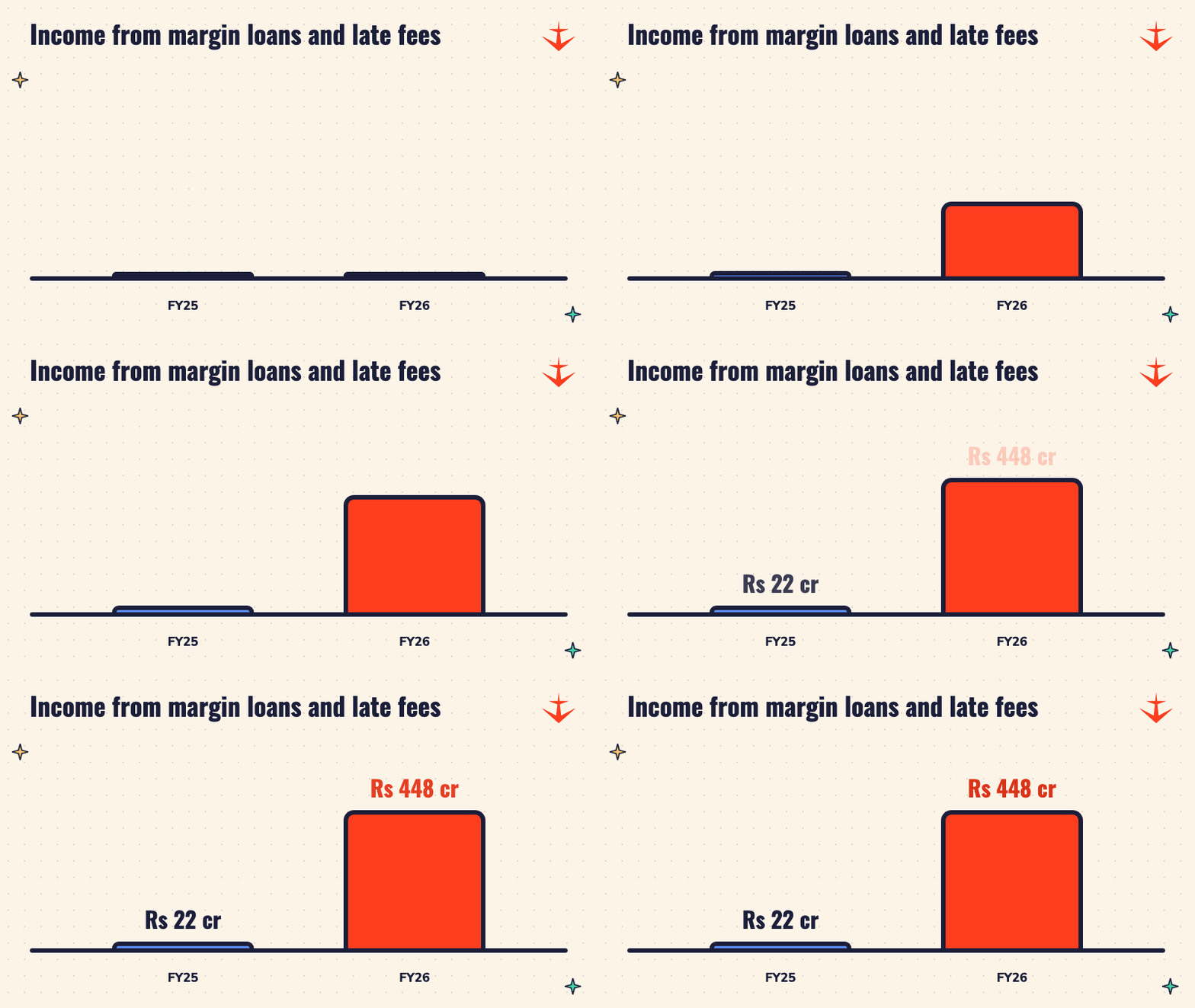
Income from late payment charges and MTF together jumped to Rs 448 crore in FY26, from Rs 22 crore in FY25, Inc42 found in the accounts. Kamath says MTF now makes up about 10% of revenue. Yearly account charges add only about 2%.
Kamath is openly worried about this. "MTF is one area where the business growth is scaring me," he said in the company's 16th anniversary update. Loans feel great when prices rise. When prices fall fast, losses grow fast too.
How do Groww and Angel One compare?
The two big listed rivals make money in different ways.
- Groww, which has the most active customers, still gets more than 70% of its revenue from broking. Zerodha's interest share is more than four times Groww's.
- Angel One earns about 31% of its revenue from interest, close to Zerodha. However, this interest line mixes loans, MTF and customer float together. Broking is a little under 60% of its revenue.
For size, Groww reported FY26 revenue of Rs 4,644 crore and profit of Rs 2,083 crore, The Economic Times said, so Zerodha is still nearly twice as large on both.
This video from the ProfitsOnPaper channel looks at how Zerodha earns more than Groww with fewer users.
So what does this mean for an ordinary app user?
"Free" almost never means a company earns nothing. A zero brokerage app can still earn from the cash waiting in your account, from interest on loans, from late payment charges and from yearly account fees.
It also shows how one rule change can reshape a whole industry. When SEBI made F&O trading costlier, the fee from each trade shrank, and brokers went looking for steadier income. Interest on float and on loans depends on how much money people keep in their accounts and how much they borrow, and less on how many trades they make.
So a broker's income now also moves with interest rates and customer balances, not just with how busy the market is. The flip side is risk: diversification does not remove a broker's exposure to market cycles, as Kamath's own worry about MTF shows.
Sources
- Lapaas Voice: Zerodha cuts broking revenue dependence to 44% in FY26 from 70% in FY21 (citing Moneycontrol, 27 October 2026)
- The Economic Times: Zerodha's FY26 net profit rises 1.2% to Rs 4,283 crore
- Inc42: Zerodha's diversification clock is ticking
- Inc42: Zerodha, Angel One, Groww feel the squeeze from SEBI's rules
- YourStory: Zerodha marks 16 years with steady profits
- The Head and Tale: Zerodha FY26 revenue flat as core brokerage business slows
- Wikipedia: Zerodha
- YouTube, ProfitsOnPaper: The Zerodha Story
- Cover photo: Nithin Kamath (Zerodha Broking Limited), by Karthik Rangappa, CC BY 2.0

You may republish this story under CC BY 4.0: credit Manpreet Kaur and link to this page.