Why your Diwali paint costs more: Asian Paints earns Rs 1,068 crore as oil based costs bite
Sales grew 16.9% but profit only 7.5%, because the chemicals inside a paint can, many made with crude oil, got far costlier.
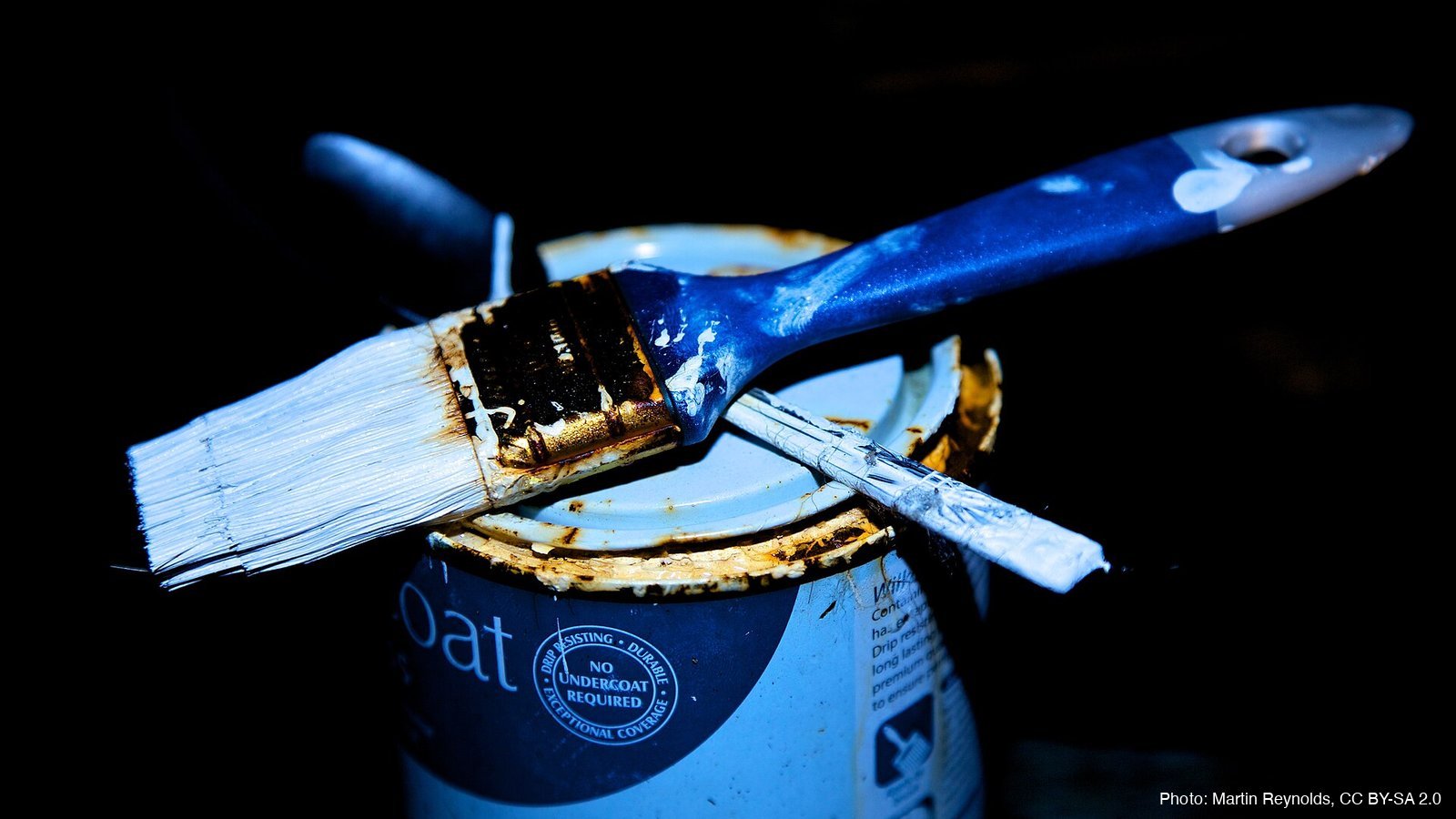
Picture your family choosing a new wall colour for Diwali. The paint can on the shop shelf looks simple. But inside it is a long chain of chemicals, and many of them begin life as crude oil. When oil gets costly, that can of paint gets costly too.
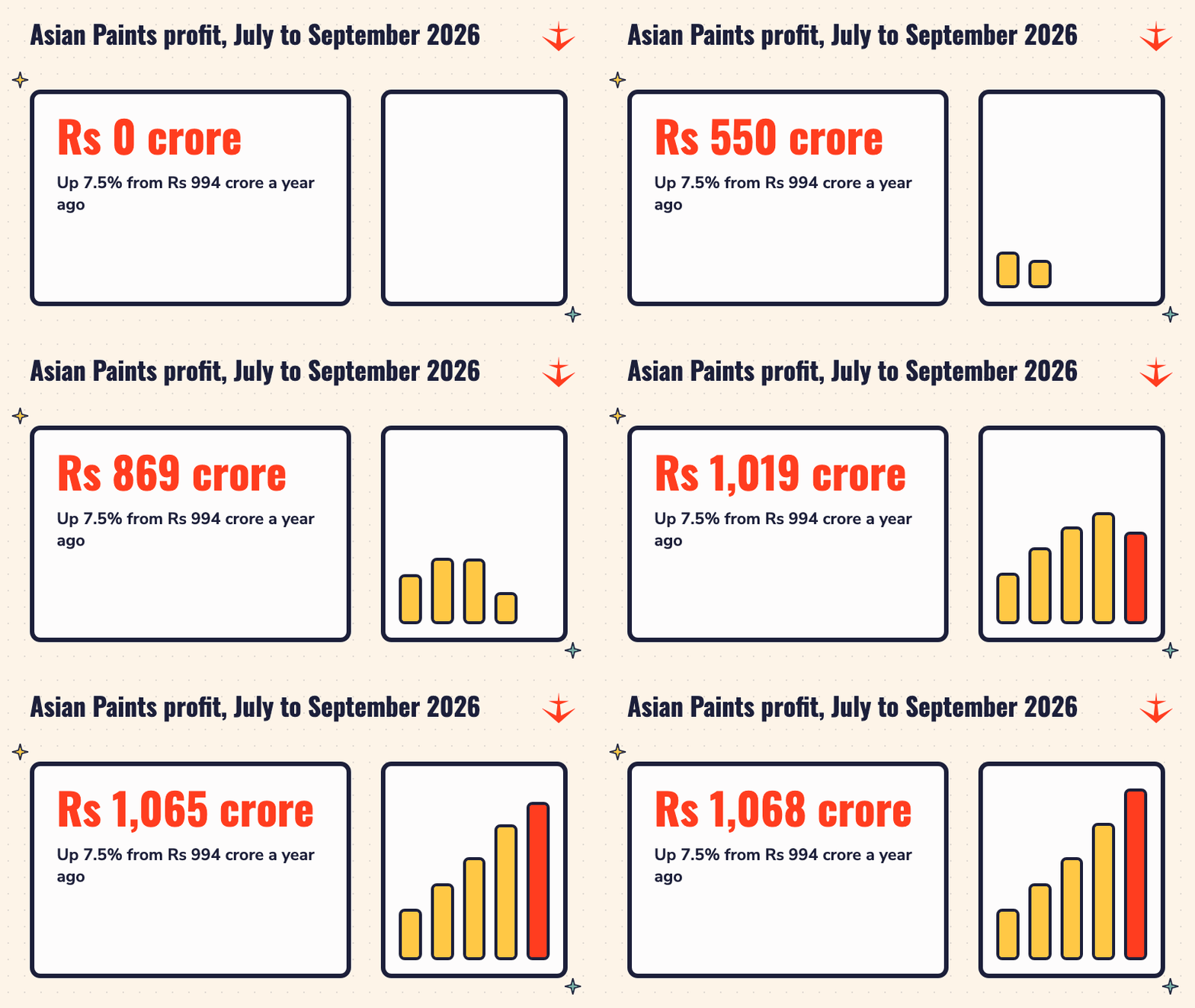
On Thursday, 29 October 2026, Asian Paints, the country's largest paint maker, said its profit rose 7.5% to Rs 1,068 crore in July to September 2026. Its sales grew much faster, by 16.9%. The gap between those two numbers is the real story. Costs climbed so fast that the company kept less from each rupee of sales.
First, who is Asian Paints?
Asian Paints started in 1942 in a garage in Mumbai, set up by four friends. Today it is India's largest paints company by market share. It runs 27 paint factories in 15 countries and sells in more than 60 countries.
Its year runs from April to March, so July to September is the second quarter, or "Q2". A quarter is simply three months, like one term in a school year.
The scorecard for July to September
- Sales: net sales rose 16.9% to Rs 9,953.9 crore for the whole group, which business reports call "consolidated" numbers.
- Profit: the money left after every bill is paid rose to Rs 1,068 crore, up from Rs 994 crore a year earlier, according to the company's stock exchange filing.
- Paint for homes in India: the amount of paint sold (called "volume") grew 6.4%, while the money earned on it grew 14.5%.
- Paint for factories and machines (called industrial coatings) grew 31.8% in value.
What goes into a can of paint?
Think of paint like a cup of chai. The colour powder is the tea leaves. Then there is a "glue" that makes the colour stick to the wall, like the milk that holds the chai together. And there is a liquid that makes it all easy to spread. Most paints use either oil or water as this base liquid.
Many of these inputs are made in chemical plants that start with oil. The Economic Times notes that crude oil based materials are key inputs for paint makers. The conflict in the Middle East has kept crude prices high and has also made some materials hard to get on time.
So the company paid a lot more for its ingredients. Its cost of materials used jumped 35% compared with a year earlier. Managing director and CEO Amit Syngle said the "full impact" of this cost rise "was felt in Q2".
Why profit grew slower than sales
Business reports use a word called "margin". It means how many paise a company keeps out of every rupee it earns, before some bills like interest and tax. Imagine a samosa stall. If it sells a samosa for Rs 20 and the potatoes, oil and flour cost Rs 15, the stall keeps Rs 5. If potatoes get costlier and the price stays the same, the stall keeps less, even if it sells more samosas.
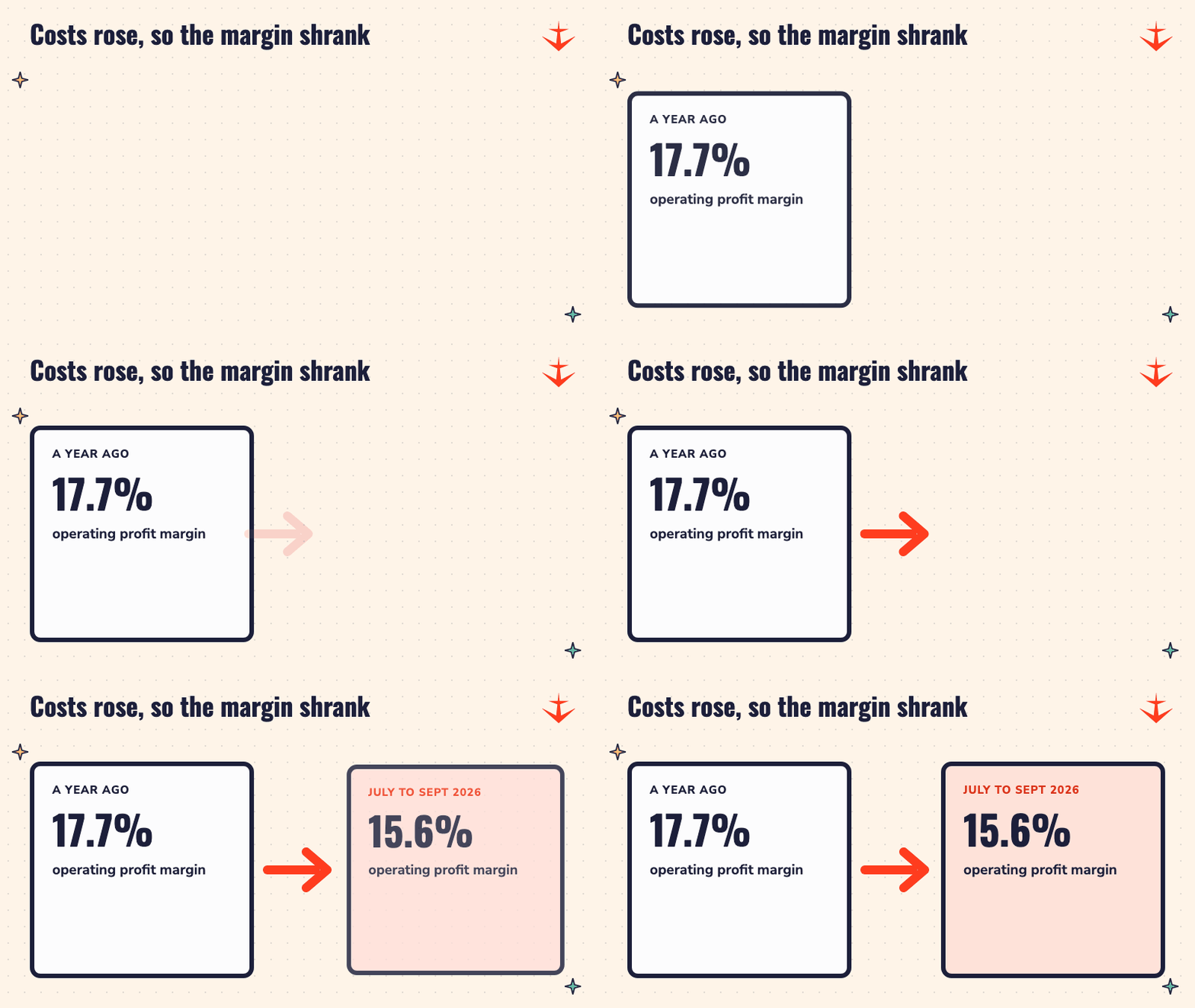
That is what happened here. Asian Paints' operating profit rose only 3.6% to Rs 1,557.1 crore. The margin on this profit slipped to 15.6% from 17.7% a year earlier. Out of every Rs 100 of sales, about Rs 2 less was left over.
It is a big change from the quarter before. In April to June 2026, profit had jumped about 40% to Rs 1,539 crore, and the same margin was 20.6%.
Will paint cost more this Diwali?
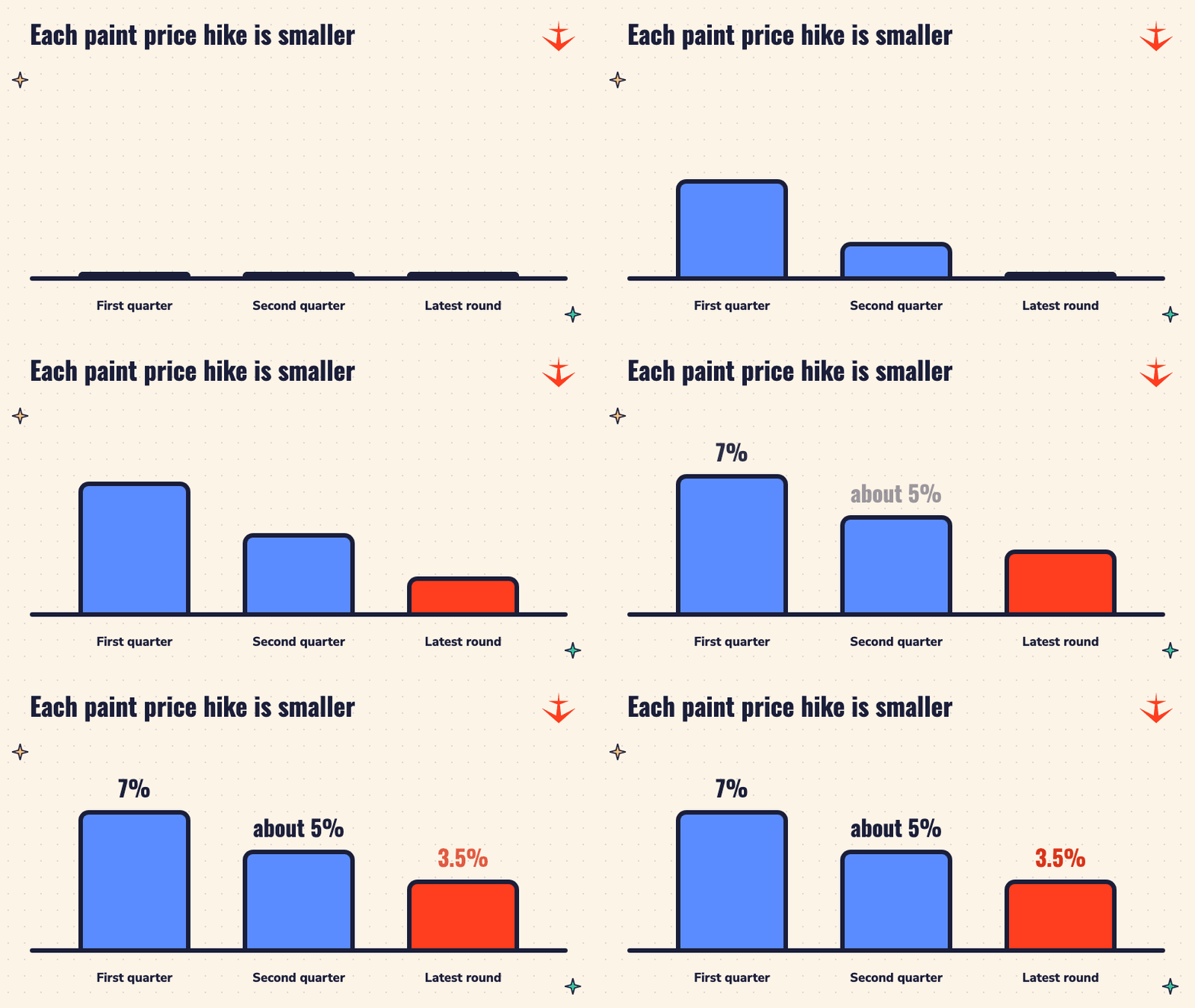
It already has gone up, in small steps. Syngle told analysts the company raised prices by 7% in the first quarter, about 5% in the second, and 3.5% in the latest round. Each step is smaller than the one before.
Why not raise prices all at once to match the costs? Because painting a house is something families can put off. Mint reports that Syngle said people may delay repainting, or pick a cheaper paint, if prices rise too much. Think of a family with a fixed monthly budget. If the paint bill gets too big, the walls can wait till next year.
So the company is walking a tightrope. The company took part of the cost hit on its own books, and is adding a further round of small price increases, while cutting its own costs where it can. For a family, this means paint now costs more than it did at the start of the year, but the company has chosen not to put the full cost rise on the price tag.
The good news from abroad
Sales outside India rose 29.5% to Rs 1,095.6 crore. The company said its Middle East business also grew strongly, even with the conflict in the region causing problems. But costs bit there too: profit before tax in the overseas business fell 31% to Rs 52.7 crore.
Making its own ingredients
One way to beat costly inputs is to make them yourself, like a chai stall that starts keeping its own cow for milk. Business people call this "backward integration".
Asian Paints has begun the first phase of a new plant at Dahej in Gujarat that makes VAE, a chemical used in paint. Mint reports the company expects to use part of the plant's capacity by March 2027 and all 150,000 tonnes of yearly capacity in FY28. The aim is lower costs and new products.
This video explains how crude oil prices and paint companies are linked.
What to watch next
Syngle said demand likely picked up in October and should stay strong into November, helped by the long festival season and the wedding season. Other big paint makers, Kansai Nerolac, JSW Dulux and Berger Paints, report their numbers in the first week of November. Those will show whether the whole industry is feeling the same squeeze. The company's shares closed slightly higher on the day.
Here is an earlier interview with Syngle, shared by Asian Paints on YouTube.
For anyone planning to paint a room soon, the message is simple: prices have moved up in steps this year, and the company says more small increases are coming, because the oil inside the can still costs more than before.
Sources
- Business Standard: Asian Paints Q2FY27 result, profit rises 7.5% to Rs 1,068 crore
- Business Standard: Asian Paints Q2 net profit rises, revenue up 17%
- Mint: Asian Paints treads carefully on price hikes
- The Economic Times: Middle East sales held strong
- ETRetail: Asian Paints Q2 results
- Business Today: Asian Paints Q1 results
- Wikipedia: Asian Paints
- Wikipedia: Paint
- Cover photo: Old Paint Pot, a paint can and brush, by Martin Reynolds, CC BY-SA 2.0

You may republish this story under CC BY 4.0: credit Manpreet Kaur and link to this page.