US Fed holds rates at 3.75% to 4%: the rupee, fees and your money
America's central bank paused after a September rise, and two voters wanted another rise right away.

Picture a room in Washington where twelve people vote on the price of money for the whole of America. On Wednesday, 28 October 2026, ten of them said "wait" and two said "raise it now". The US Federal Reserve kept the main interest rate unchanged at 3.75% to 4%. The news landed around 11:30 pm India time. By the time most Indians woke up with their morning chai, the world's biggest economy had decided to hold, for now.
Why should a young Indian care about a vote in America? Because the US dollar is the money the whole world trades in. When the Fed moves, the rupee, foreign money coming into India, and even the fees for studying in the US can feel the push.
What is the Fed, in simple words?
The Federal Reserve, or "the Fed", is America's central bank. Think of it as the RBI of the United States. Its main tool is an interest rate. An interest rate is the price of borrowing money. If a friend lends pocket money and asks for a little extra back next month, that extra is the interest.
When the Fed raises this rate, loans in America cost more. People and companies borrow less and spend less, and prices slow down. When the Fed cuts the rate, loans get cheaper and spending picks up.
The group that votes is called the Federal Open Market Committee. This time the vote was 10 to 2. Fed Governor Lisa Cook and Cleveland Fed President Beth Hammack wanted a quarter point rise. CNN reported this was the first time Cook has voted against the group in her four years on the board.
Why did the Fed wait?
Just last month, on 16 September, the Fed raised the rate by a quarter point to 3.75% to 4%. Fox Business noted this was the first rate rise since July 2023. Now the Fed wants to see how that rise is working before doing more.
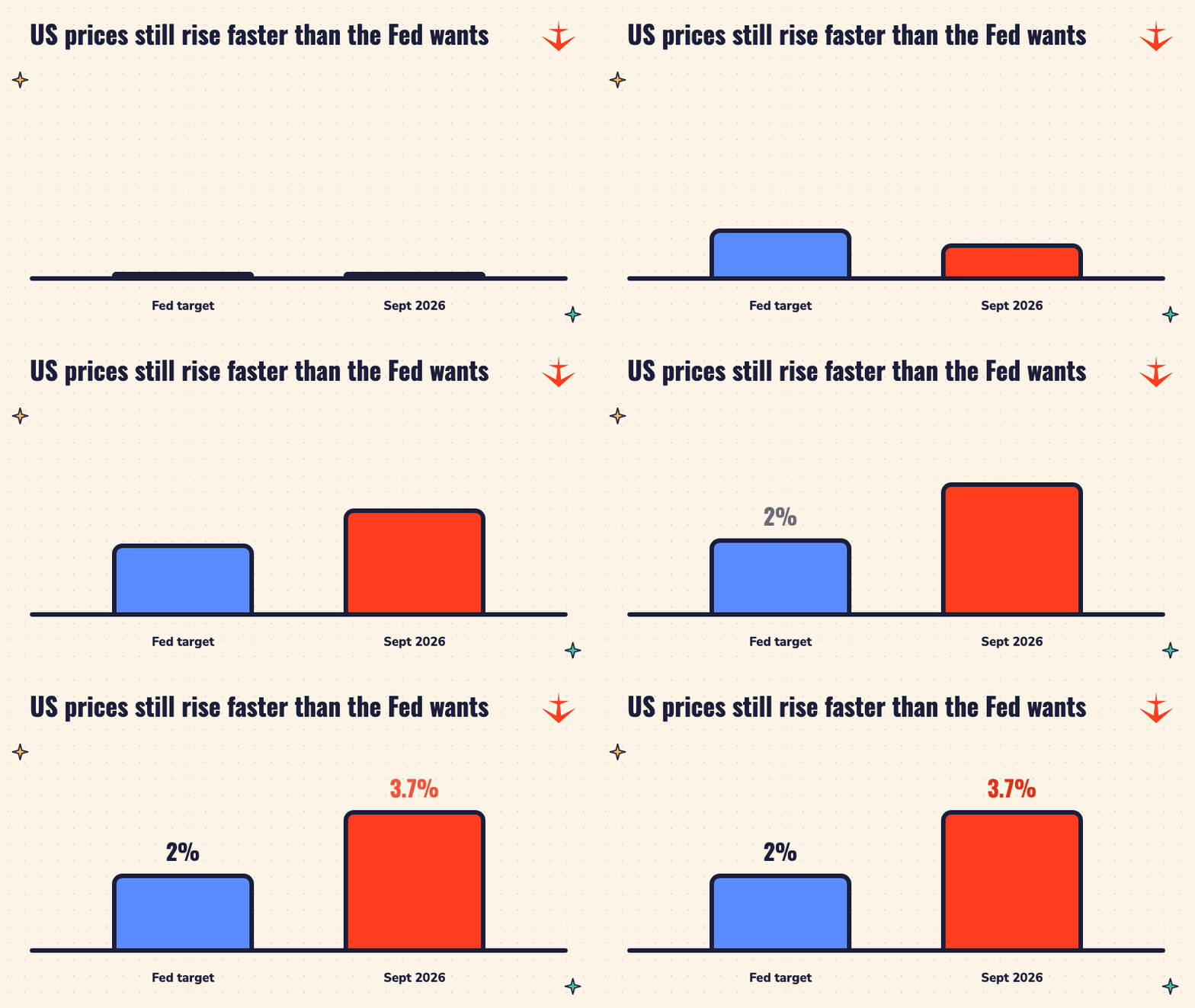
The Fed said in its statement that "inflation remains elevated". Inflation means prices going up over time. If a samosa cost Rs 20 last year and Rs 22 this year, prices rose 10%. The Fed wants US prices to rise only about 2% a year. In September, US consumer prices were up 3.7% from a year earlier.
Part of the push comes from energy. CNN wrote that the war with Iran continues to push up energy prices, and those costs are spreading to other goods. On the other side, the US job market looks shaky. The US added only 29,000 new paid positions in September, well below forecasts. A rate rise makes loans costlier for companies, which can leave them with less money to hire. So the Fed chose to pause.
Fed Chairman Kevin Warsh made clear the fight on prices is not over. He said, "We will deliver price stability, no ifs, ands or buts". Traders still expect another rise in December. CNN put the odds of a December rise at eighty-five percent, up from 78% a day earlier, using the CME FedWatch tool.
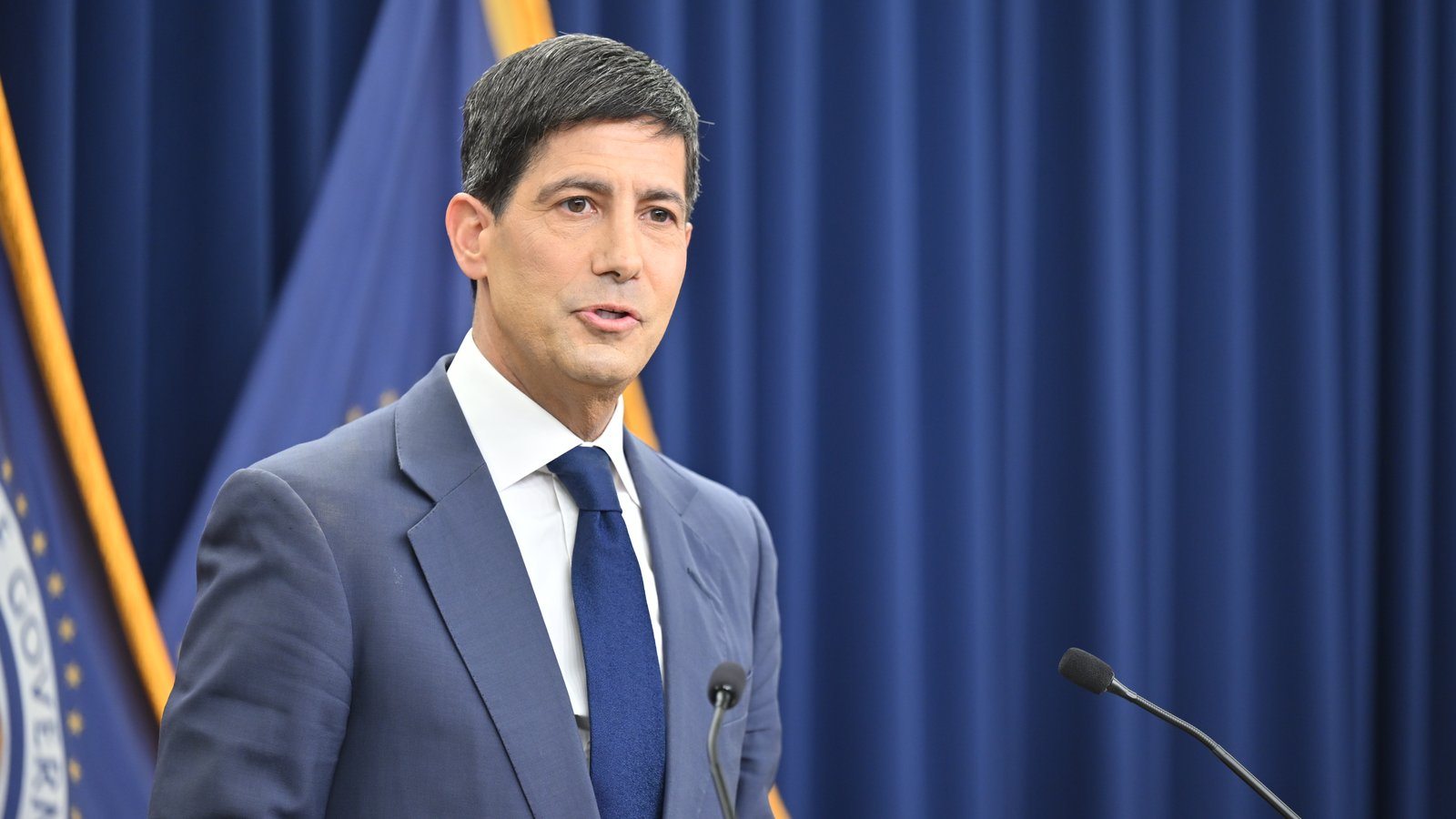
This video shows Kevin Warsh speaking to reporters after the Fed held rates on 28 October.
How does a US rate reach an Indian wallet?
Think of money as water. It flows to where it earns more. When US interest rates stay high, big investors can earn a good return just by keeping money in America. Some of the money might then leave places like India. When investors sell rupees to buy dollars, the dollar gets stronger and the rupee gets weaker.
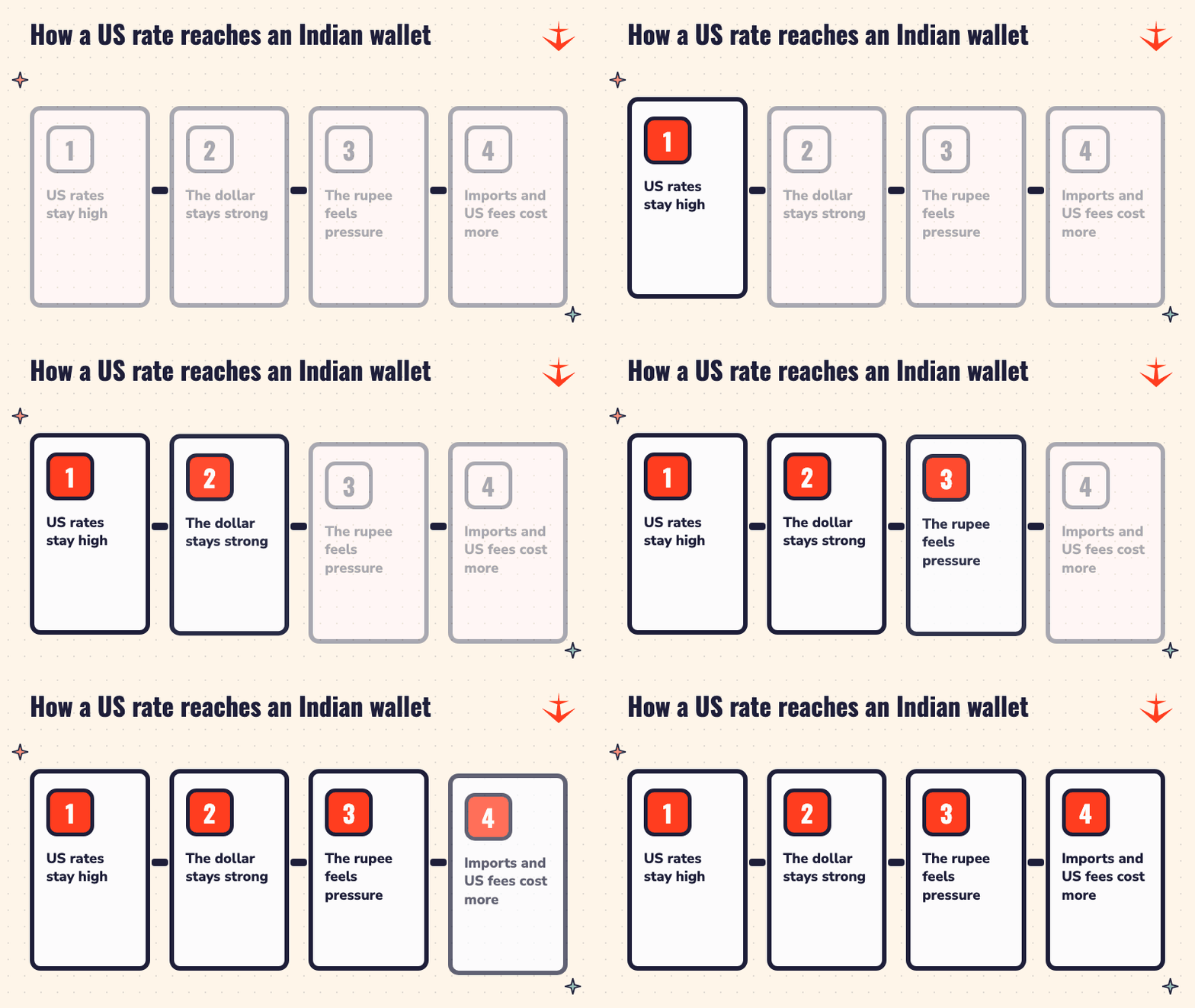
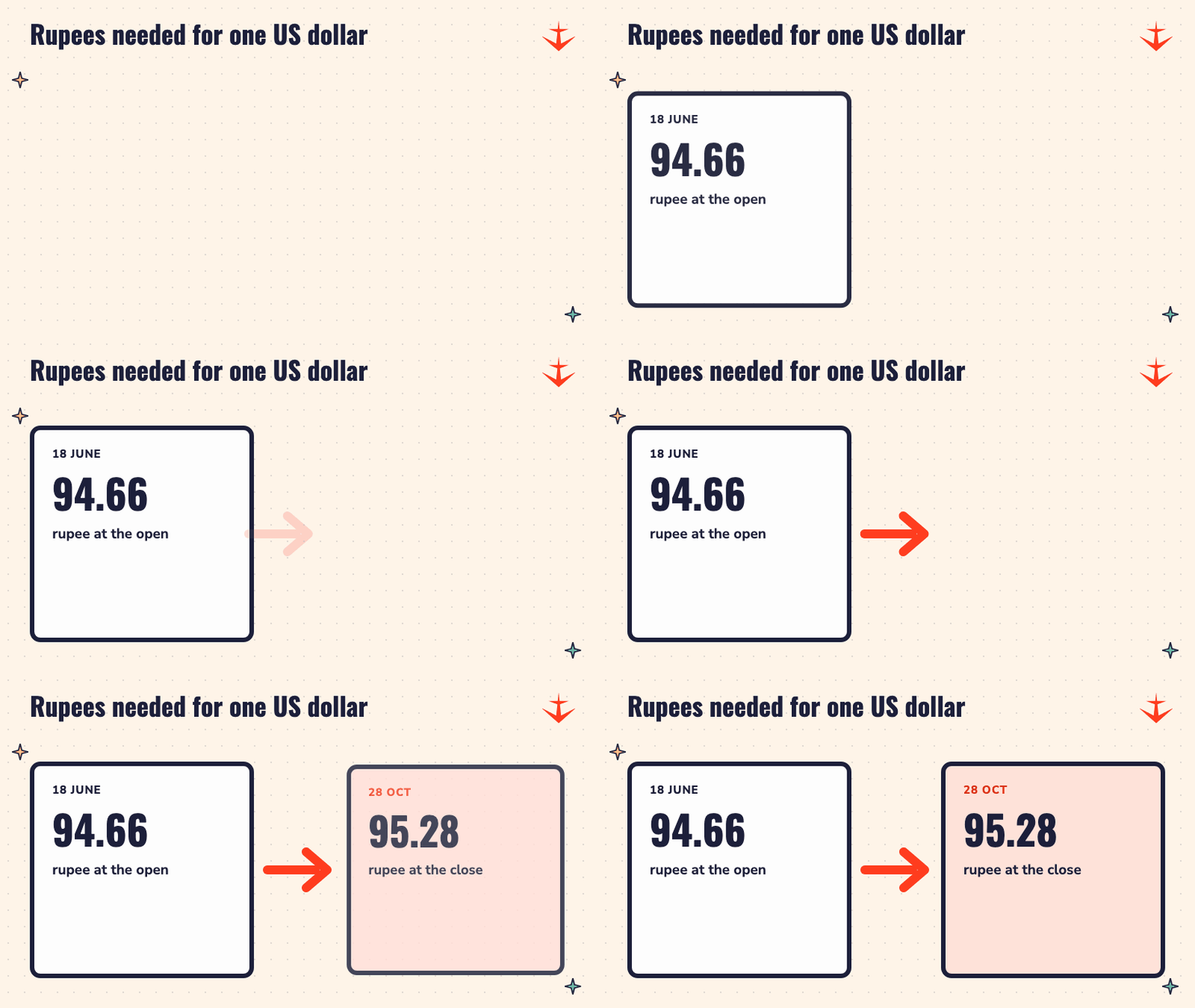
This is not just theory. After the Fed's June meeting, Outlook Business reported that the Fed's firm tone strengthened the dollar and put pressure on emerging market currencies like the rupee. An emerging market is a fast growing economy, like India. The rupee opened 13 paise weaker at 94.66 per dollar the next morning.
On 28 October itself, a few hours before the Fed's decision, the rupee closed 21 paise weaker at 95.28 per dollar, according to Deccan Herald. A strong dollar and costly crude oil pulled the rupee down.
What does this mean for your money?
Students going to the US. College fees in America are paid in dollars. Say a student owes a fee of $1,000. At 94.66 rupees per dollar, the family pays Rs 94,660. At 95.28, the same fee costs Rs 95,280. That is Rs 620 more for every $1,000, without the college raising its fee by a single cent.
Things India buys from abroad. Oil bought from abroad is paid for in dollars, so costly oil adds to India's need for dollars. Anindya Banerjee of Kotak NEO told Deccan Herald that high oil prices and high US yields together affect both "import-related dollar demand and international capital flows". A yield is simply the return an investor earns on a bond, which is a loan given to a government or company. When imports cost more, the bill can show up later in fuel, phones and other things people buy.
Families getting money from the US. The same coin has another side. A weaker rupee means each dollar sent home by a family member working in America turns into more rupees.
Loans in India. Indian loan rates are set by the RBI, not the Fed. After the June meeting, experts quoted by Outlook Business said the RBI is likely to stay guided mainly by India's own prices, food, monsoon and energy costs. So a Fed pause does not directly change your home loan or bike loan EMI.
A new rule for how often the Fed meets
Warsh also announced a change in how the Fed works. The Fed will still meet eight times a year. But one meeting in 2027 will focus only on long term strategy, with no vote on rates. In 2028, two meetings will work this way. CNN reported this means seven rate decisions next year and six the year after.
What to watch next
The next big date is the Fed's December meeting. If the Fed raises rates then, the dollar could get stronger again. For now, the Fed has pressed pause, while two of its twelve voters already wanted a rise.
Sources
- Federal Reserve: policy statement, 28 October 2026
- Federal Reserve: policy statement, 16 September 2026
- CNN: Fed keeps interest rates unchanged, live coverage
- CNN: The Fed saw inflation and chose to wait
- Fox Business: Federal Reserve makes interest rate decision ahead of midterms
- Deccan Herald: Rupee falls 21 paise to close at 95.28
- Outlook Business: How Kevin Warsh's first move will impact India
- Cover photo: Kevin Warsh at a Federal Reserve press conference, 17 June 2026, by the Federal Reserve, public domain
You may republish this story under CC BY 4.0: credit Pranav Sharma and link to this page.