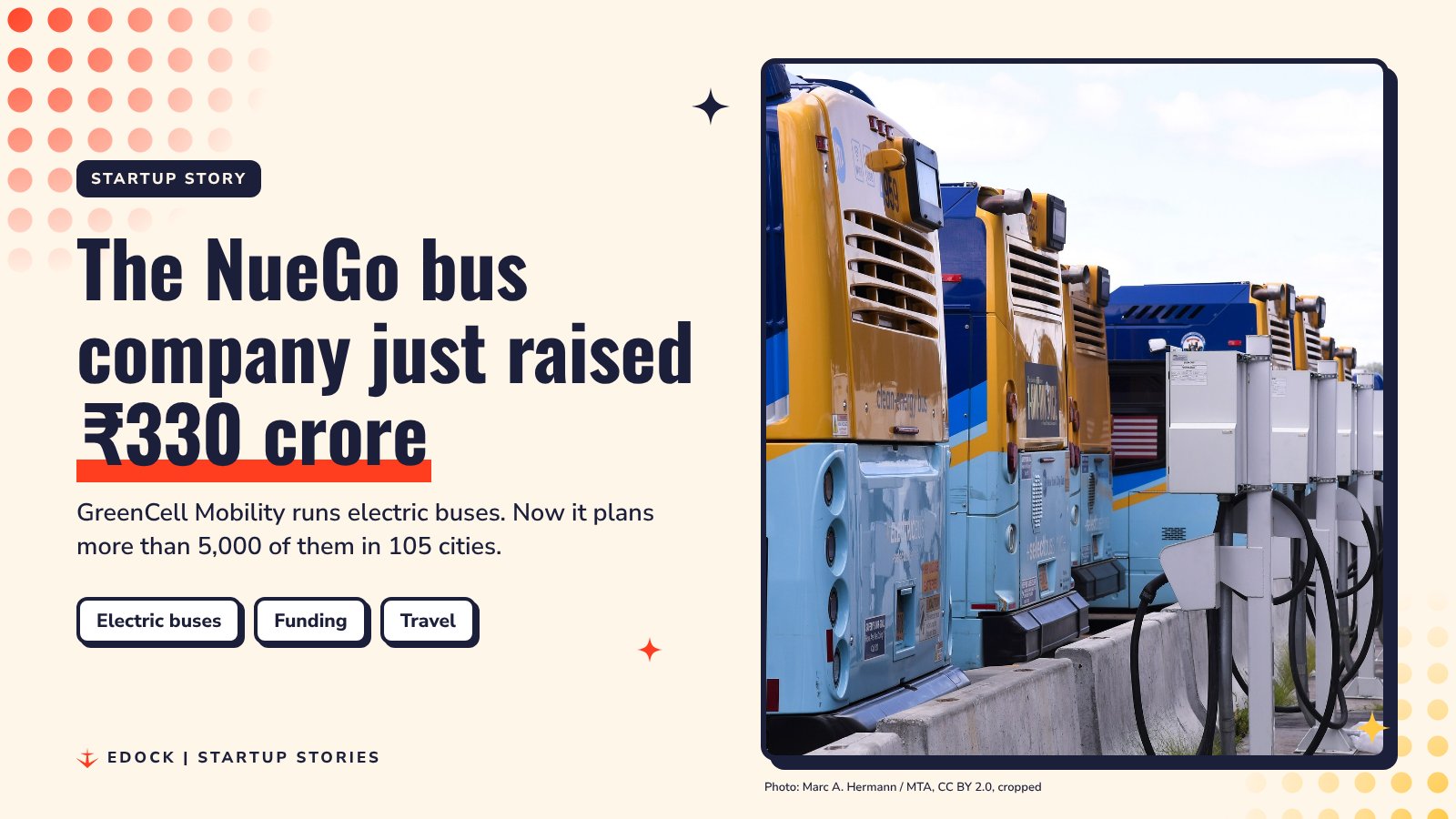
The company behind NueGo buses raised ₹330 crore. Here is its plan
GreenCell Mobility runs over 1,200 electric buses. Now it plans more than 5,000 across 105 cities. Explained in super easy words.

Have you ever taken a long bus ride home and noticed how loud the engine is? Now picture a big intercity bus that runs quietly on a battery, with no diesel at all.
The company behind NueGo, an electric intercity bus brand, has just raised ₹330 crore. The company is called GreenCell Mobility, and news of the deal came out on October 13, 2026. The money came from Impact Fund Denmark, an investment fund from Denmark.
Let us see what GreenCell does, and what it wants to do with all that money.
First, who is GreenCell?
GreenCell Mobility is a Mumbai-based startup. It was founded in 2019. It does not make buses itself. Instead, it gets buses built by other companies, and then it runs them on the road.
Its buses do two kinds of trips:
- Intra-city: trips inside one city, like the bus you take to college.
- Intercity: trips from one city to another, like a trip from your city to your hometown. These run under the NueGo name.
Today, GreenCell says it runs more than 1,200 electric buses in India. That includes about 900 city buses, 300 NueGo buses between cities, and 50 buses for MSRTC, Maharashtra's state bus service. It also runs more than 270 charging stations, which are like petrol pumps, but for batteries.
Here is a NueGo video introducing its electric seater and sleeper bus.
What will the ₹330 crore do?
The money will help GreenCell roll out about 4,500 electric buses that are in its pipeline. A pipeline here means buses that are planned and on their way, like orders waiting in a kitchen. After this, the company says it will run more than 5,000 e-buses across 105 cities.
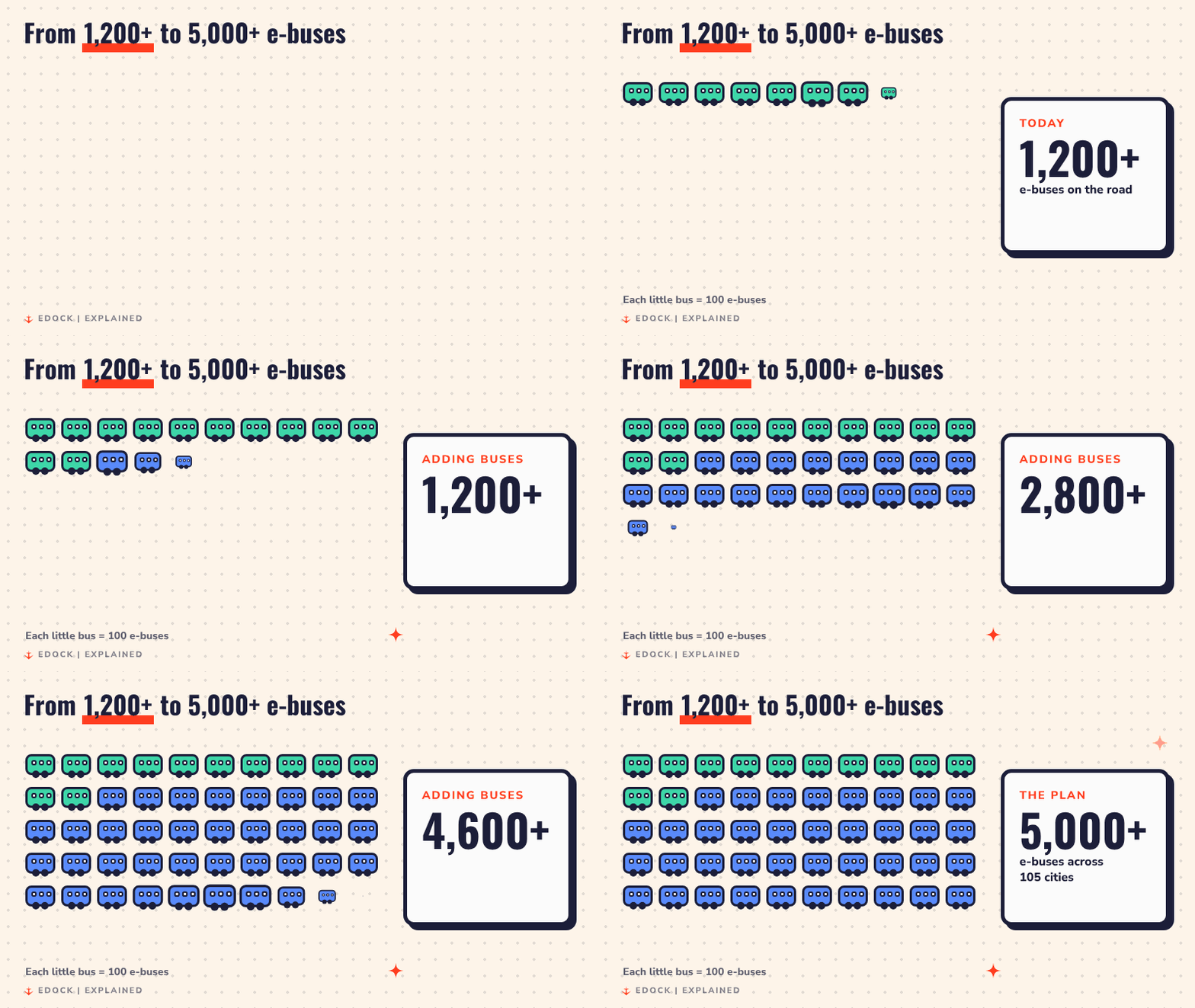
That is about four times as many buses as it runs today.
GreenCell's chief, Devndra Chawla, said the money gives the company "greater headroom to accelerate our plans". In simple words: more room to move faster.
Equity? What is that?
News reports call this an equity investment. That is a big word with a simple idea. There are two common ways a business can raise money.
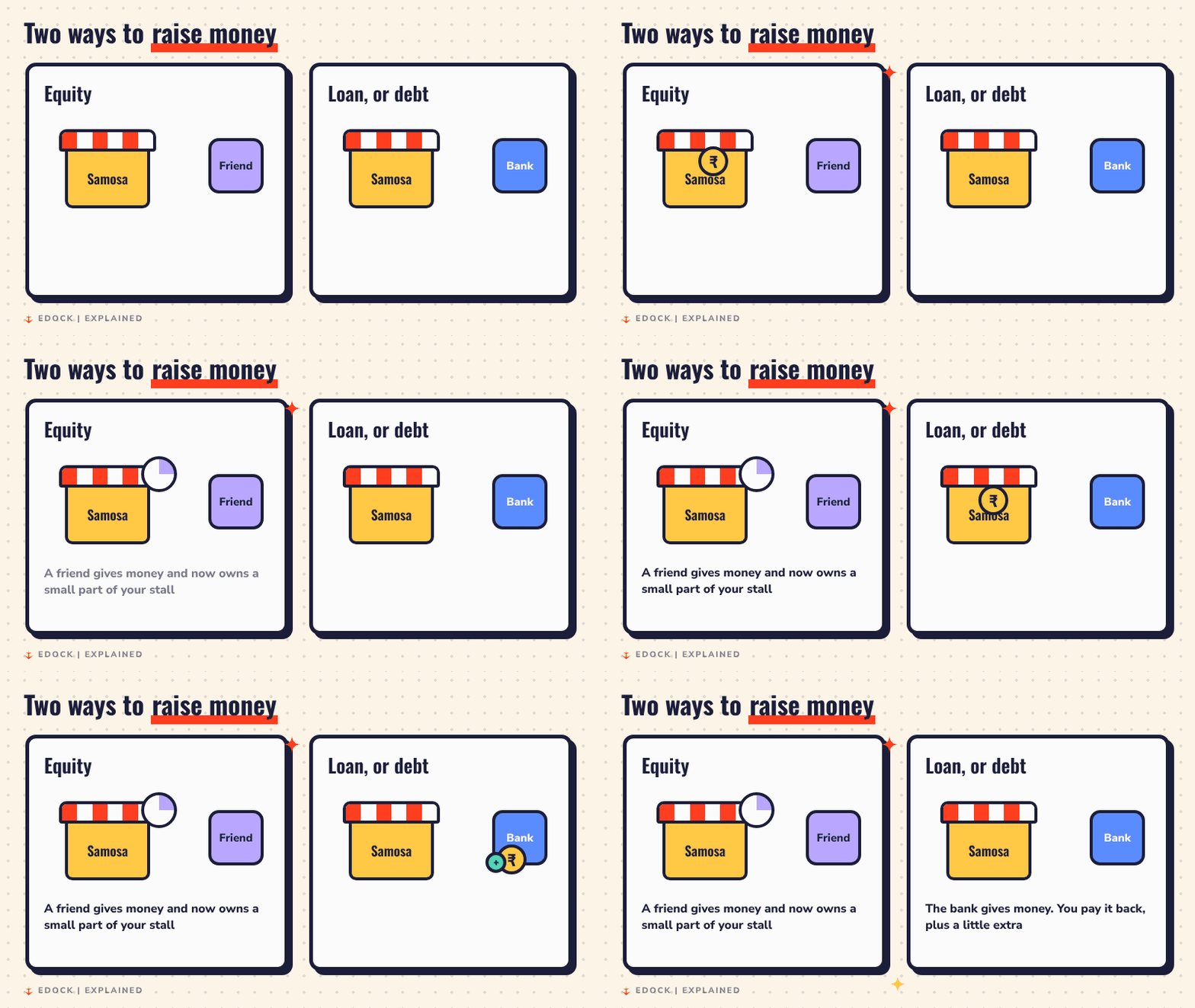
- Equity: say you run a samosa stall. A friend gives you money, and in return owns a small part of your stall. If the stall does well, your friend's part grows in value too. You do not have to pay the money back.
- Loan, or debt: a bank gives you money, and you must pay it back later, plus a little extra called interest.
GreenCell has used both. In 2023, it got ₹3,000 crore in debt funding from REC to buy 3,000 e-buses and build charging and energy storage. This new ₹330 crore is equity, so Impact Fund Denmark now owns a part of GreenCell.
Who else has put money in?
GreenCell already had some big backers. The main one is Eversource Capital, a firm formed by Everstone Capital and Lightsource. GreenCell also raised $37 million earlier from the World Bank's International Finance Corporation (IFC). Other backers include British International Investment and Tata Capital.
Eversource's chief, Dhanpal Jhaveri, said the deal shows that electric public transport is now seen as an infrastructure opportunity worth investing in. Infrastructure means the big shared things a country runs on, like roads, power lines and public transport.
Lars Bo Bertram, who leads Impact Fund Denmark, said India is a key market for the fund. He also said electric transport can help cut air pollution and make cities cleaner.
Eversource Capital made this short film about GreenCell and the big question it asks: can India put 1 lakh e-buses on the road?
What is "bus as a service"?
Entrepreneur India describes GreenCell's model as Electric Mobility as a Service. Here is the simple version.
Think about how a wedding caterer works. The family does not buy stoves, vessels and plates. The caterer brings everything, cooks, serves and cleans up. The family just pays for the service.
GreenCell does something similar with buses. It arranges the buses, the charging stations and the daily running. It also says it is "OEM-agnostic". An OEM is the company that builds the product, here the bus maker. "Agnostic" means GreenCell does not stick to just one bus maker.
Is this part of a bigger trend?
Yes. Big investors are paying more attention to electric buses in India. Inc42 reports that in March, bus maker PMI Electro Mobility and its bus platform Allfleet signed a deal with investment firm KKR for up to $310 million.
Inc42 also points out something new. Until now, most money in this space went into buying buses. Now investors are also backing the companies that run the buses every day.
So what does it mean for you?
If the plan works, more cities could get electric buses, both for daily rides and for trips home. GreenCell says its focus now is on running its buses reliably and serving riders well.
The next time a quiet bus pulls up at your stop, check if it runs on a battery. Companies like GreenCell want many more of those on Indian roads.
Sources
- GreenCell Mobility raises ₹330 Cr to expand electric bus fleet (Inc42, October 13, 2026)
- GreenCell Mobility secures ₹330 crore equity investment from Impact Fund Denmark (Autoguideindia, October 13, 2026)
- GreenCell Mobility gets INR 330 Cr equity investment (Entrepreneur India, October 13, 2026)
- GreenCell Mobility receives Rs 3,000 crore in debt funding from REC (Business Standard, July 2023)
- Cover photo: Electric bus charging, New York, by Marc A. Hermann / MTA, CC BY 2.0

You may republish this story under CC BY 4.0: credit Arshdeep Singh and link to this page.