Tata Consumer's profit rises 16% to Rs 470 crore as dal and salt beat tea
Sales grew 14% to Rs 5,661 crore in July to September, but Tata Tea volumes stood still while Tata Sampann grew 57%.
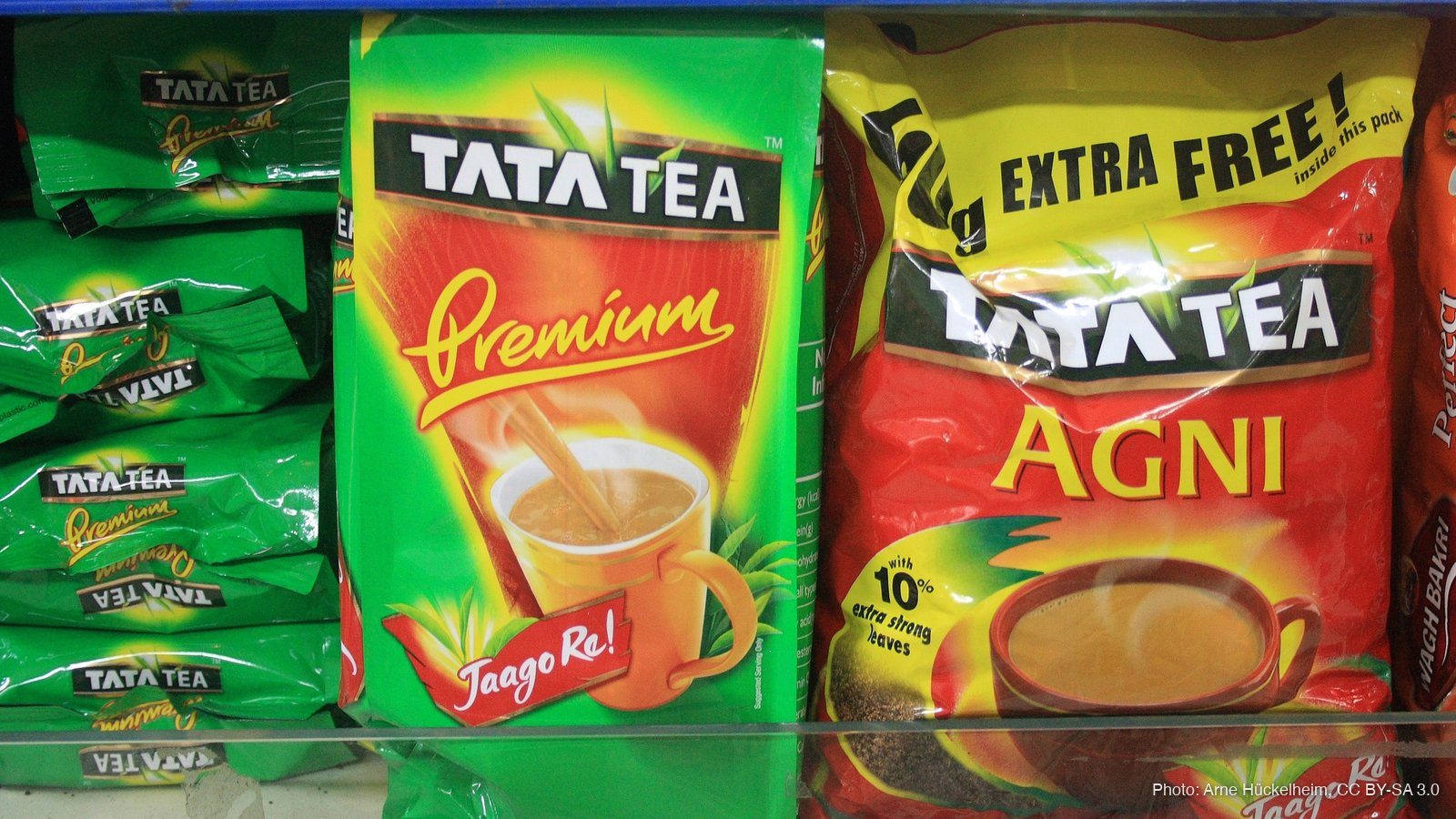
Picture your kitchen shelf. A packet of Tata Tea, a box of Tata Salt, maybe a pack of Tata Sampann dal. On Monday, 26 October 2026, the company behind all of them, Tata Consumer Products, said its group net profit rose 16% to Rs 470 crore for July to September. The surprise is inside the numbers: the old hero, tea, did not grow at all. Salt, dal, spices and bottled drinks did the heavy lifting.
This changes what one of India's biggest kitchen companies is betting on, because its new brands now bring in more than a third of its India sales.
First, the big numbers in plain words
Revenue is all the money a company gets from selling things, before it pays any bills. Think of a chai stall: if it sells 100 cups at Rs 10, its revenue is Rs 1,000.
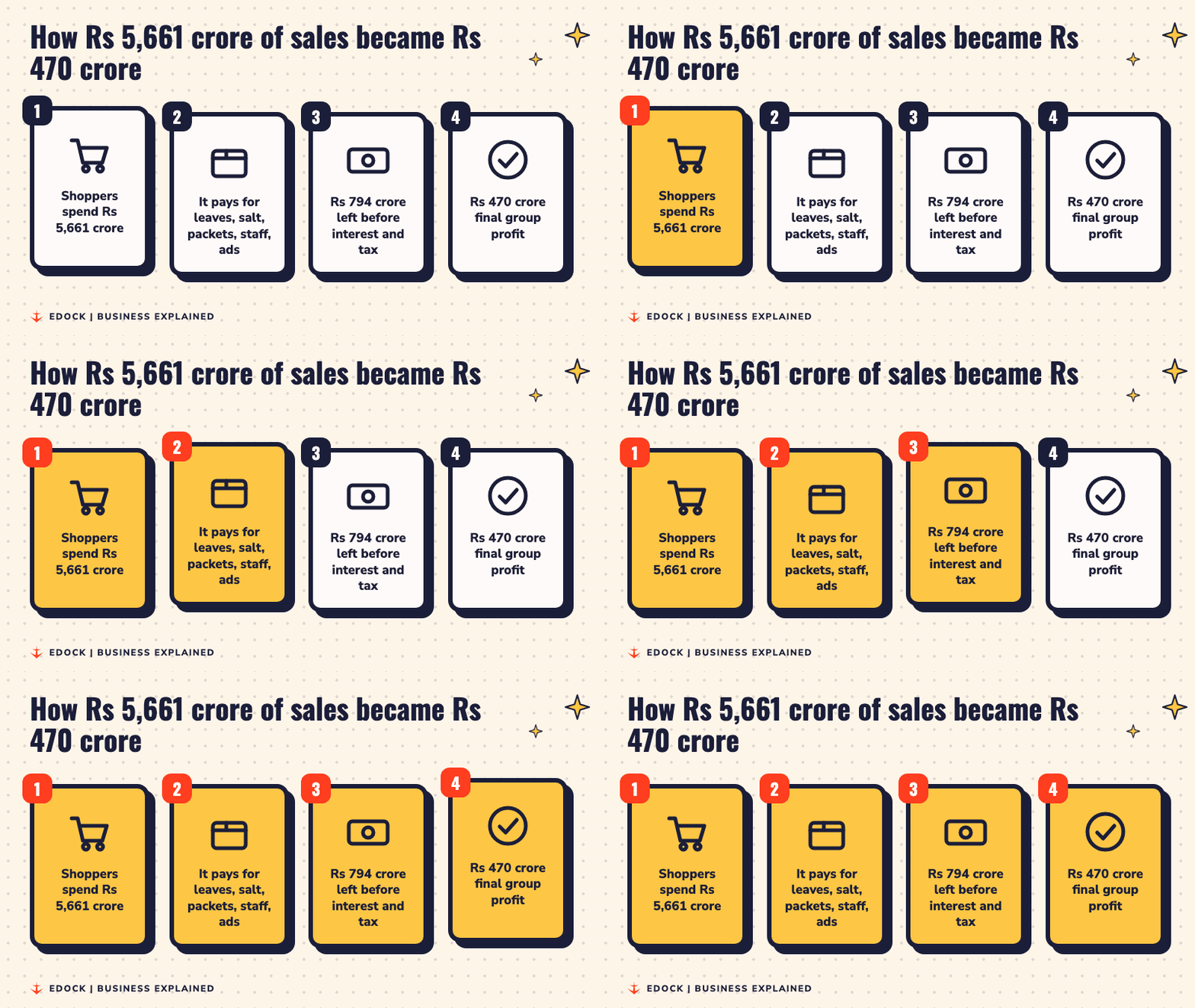
Tata Consumer's revenue for the quarter (a quarter is three months) was Rs 5,661 crore, up 14% from a year ago. That is the money shoppers paid for its tea, salt, pulses, coffee, water and more, in India and abroad.
Profit is what stays in the pocket after paying for everything: tea leaves, packets, trucks, staff, ads, interest on loans and tax. For the chai stall, it is the Rs 1,000 minus milk, sugar, leaves, gas and rent.
Why two profit numbers are floating around
If you read different news sites, you may see slightly different profit figures. Here is why.
The company's own number is the "group" profit of Rs 470 crore. A results report by Storyboard18 explains that this Rs 470.14 crore includes its share of profit from partner businesses, such as joint ventures. Before that share, the profit was Rs 467.23 crore.
Moneycontrol reported Rs 469.30 crore, up from Rs 404.5 crore a year earlier. Every version tells the same story: profit grew about 16%.
There is one more number. "Consolidated" means the whole family of companies added together, like adding up the pocket money of every sibling in a house. "Standalone" means only the main company on its own. On a standalone basis, Moneycontrol says profit fell 14% to Rs 242.8 crore. This post uses the consolidated, whole-family figure.

What is margin, and why does 14% matter?
The company said its EBITDA rose 18% to Rs 794 crore. EBITDA is a long word for a simple idea: the money left from running the shop, before paying interest on loans, tax, and the slow wear and tear of machines.
Margin tells you how much of every rupee of sales is left as that money. Rs 794 crore out of Rs 5,661 crore is about 14%. So for every Rs 100 a shopper paid, about Rs 14 was left after paying for the basic costs of making and selling.
Back to the chai stall: if a cup sells for Rs 10 and milk, leaves, sugar and gas cost Rs 8.60, the stall keeps Rs 1.40 per cup. That is a 14% margin.
The EBITDA grew faster (18%) than sales (14%). That means the company kept a little more from each rupee than last year, even though rising prices of key raw materials kept pressing on its India brands.
Salt and dal grew, tea stood still
Here is the kitchen story. The company said its India brands sold 11% more by volume, which means more actual packets went home, not just the same packets at higher prices. Salt led the way.
- Salt: revenue up 15%, on strong volumes, the company said.
- Tata Sampann (pulses, spices, cold pressed oils, dry fruits): revenue up 57%.
- Ready-to-drink (bottled drinks such as Tata Copper+ and Tata Gluco+): revenue up 47%, with 34% more volume.
- Tea in India: volumes flat, and revenue down about 1%.
So India still drinks plenty of Tata Tea, just not more of it than last year. Moneycontrol says tea revenue slipped as the gap between volume and value narrowed after price changes. In simple words, the same amount of tea brought in slightly less money than last year.
The "growth businesses" are the new engine
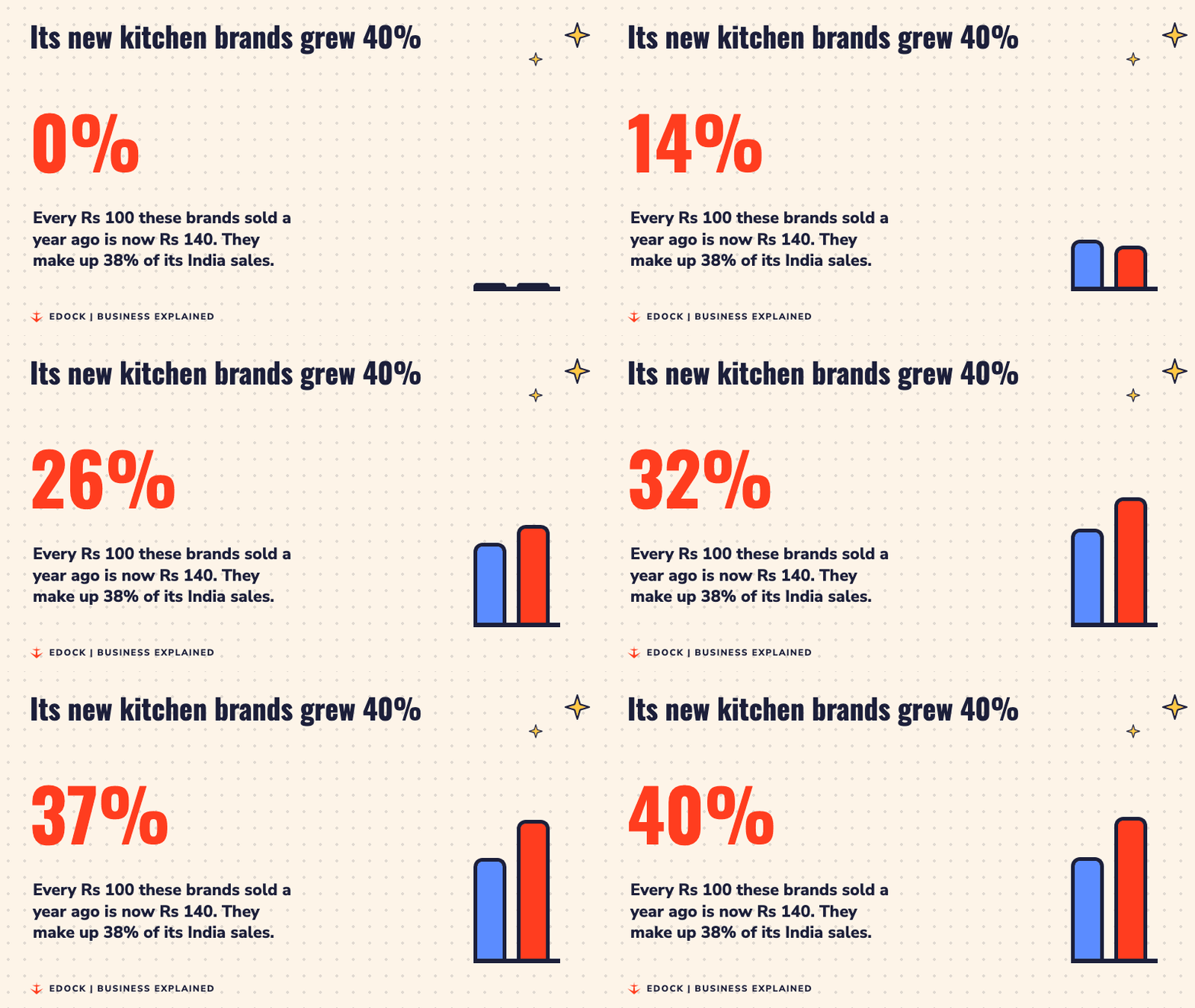
Tata Consumer groups its newer brands under one name: growth businesses. Its boss pointed to Tata Sampann and the bottled drinks as the stars. Together, they grew 40% and now make up 38% of its India business.
Think of a cricket team where the senior batter (tea) scored a steady 30, but the young players (dal, spices, drinks) scored most of the new runs. The team still wins, but the captain now knows where the runs come from.
Not everything was smooth. Capital Foods and Organic India grew 15% together, held back by shipping problems in their export business. At home, their sales rose 24%. Moneycontrol puts Capital Foods at Rs 264 crore and Organic India at Rs 145 crore for the quarter.
Starbucks, and tea in the UK
Tata Starbucks, the coffee chain Tata runs with Starbucks, grew revenue 15%. It opened seven net new stores and ended the quarter with 505 stores across 81 cities. Its "same store sales" (sales at cafes that were already open a year ago) grew for the fifth quarter in a row, the company said. That matters because it shows old cafes are getting busier, not just that new ones are opening.
Abroad, the picture was cooler. The international business grew 7% in rupees, but fell 2% if you remove the effect of currency changes. In the UK, a long heatwave hurt tea drinking, though Tetley did better than the overall market, the company said.
What the boss said
Sunil D'Souza, the managing director and CEO, said in the company's statement: "We delivered our second consecutive quarter of double digit revenue growth in FY27, backed by strong underlying volume growth in India business."
The company also said it launched 22 new products in the quarter and is using AI tools in sales and operations to work faster. It says its brands reach 290 million households in India.
Why this matters to you
Three simple lessons sit inside these results.
- Shopping habits are shifting. Indian families are buying more branded dal, spices and bottled drinks, not just more tea.
- Volume beats price. Growth that comes from selling more packets is stronger than growth from simply raising prices.
- Old favourites can stall. Even a giant brand like Tata Tea can stop growing, so smart companies build the next set of winners early.
For students who want to understand business, this is a good example to remember: a company can grow profit even when its most famous product is standing still, as long as other products pick up the pace.
Sources
- Tata Consumer Products: Results for the quarter ended 30th September 2026
- The Economic Times: Tata Consumer Q2 results, net profit rises 16% to Rs 470 crore
- Moneycontrol: Tata Consumer Q2 profit up 16% at Rs 469.30 crore
- Storyboard18: Tata Consumer Q2 revenue rises 14% on strong India growth
- YouTube: Tata Consumer Products Q2 FY27 results overview
- Cover photo: Packages of Tata Tea on a store shelf in Mumbai, by Arne Hückelheim, CC BY-SA 3.0

You may republish this story under CC BY 4.0: credit Manpreet Kaur and link to this page.