Spotify will now check if your family plan really lives under one roof
Version 1 of 1 saved 23 Oct 2026, 4:59 am IST · Chain line 156
As it was first published
Spotify will now check if your family plan really lives under one roof
Family plan members may have to scan a QR code in person within seven days, or lose the plan. Spotify calls it a routine improvement.
Picture this. You live in a college hostel in another city, but you still play songs on your family's shared Spotify plan back home. One day, the app asks you to scan a QR code from the phone of the person who pays for the plan. That phone is at home, far away. You have seven days. Miss it, and you are out of the plan.
That is the new rule Spotify is rolling out for its Family plan. On 22 October 2026, during its call with investors about its July to September results, Spotify confirmed the change. But it did not call it a crackdown. Co-CEO Alex Norström called it "a routine improvement."
First, what is a family plan?
Think of a big thali cooked at home. One person pays for it, and everyone at the dining table shares it. It works out cheaper per person than ordering six separate meals. But the thali is meant for the people at home, not for the whole street.
A streaming family plan works the same way. One person, called the plan manager, pays every month. Other people, called members, get their own accounts under that one payment. In the US, TechRadar reports that Spotify's Premium Family plan costs $21.99 a month for up to six accounts, while a single Premium Individual plan costs $12.99. Split six ways, the family plan is roughly $3.67 per person. That is a big saving.
The catch is in the rules. Spotify's own help page on Family address checks says members must live with the plan manager. Many people ignored that and shared plans with friends or relatives who live elsewhere.
What exactly is changing?
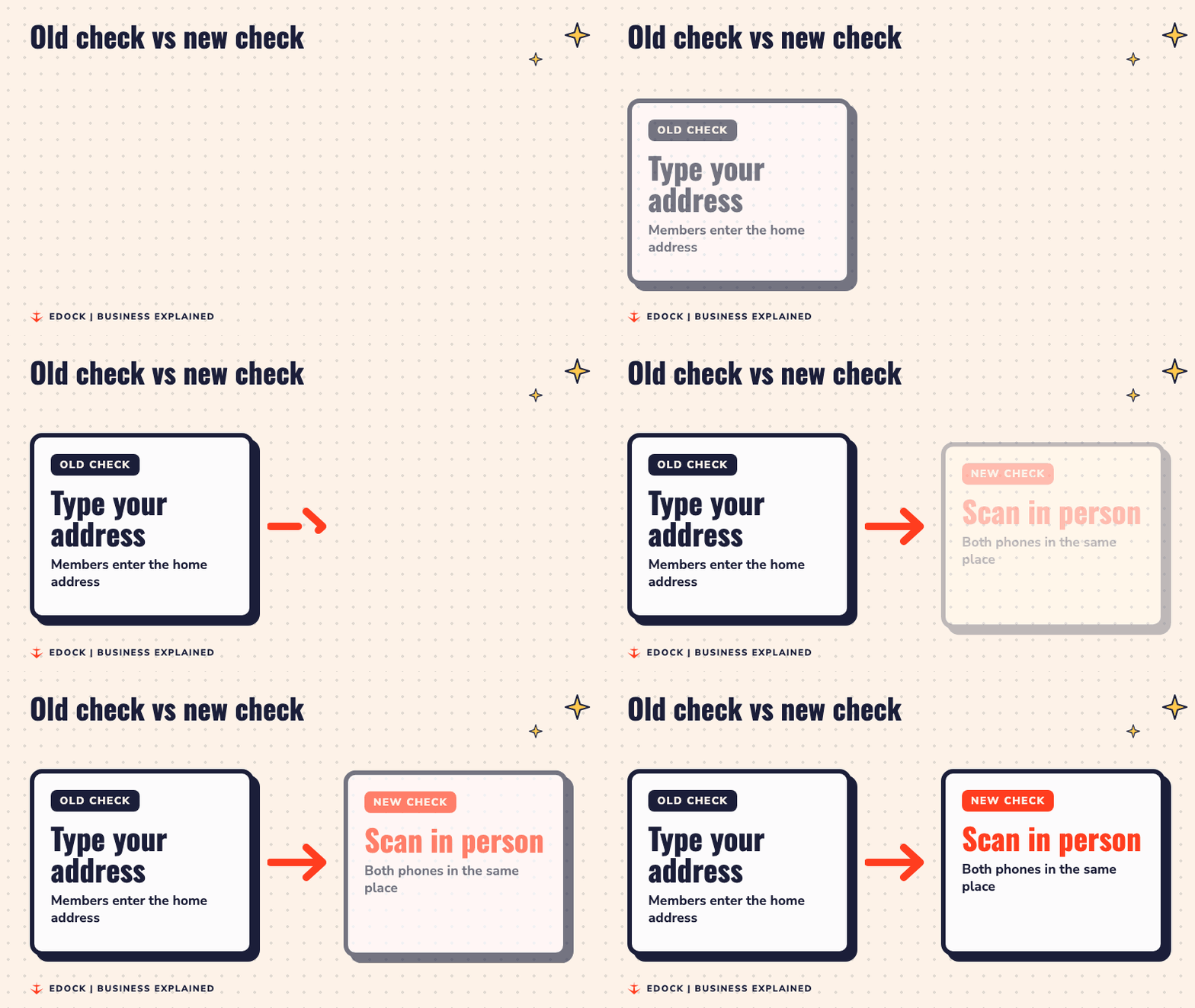
Earlier, Spotify asked members to prove they lived together by typing in their full home address. The help page says this happens when a member joins, when the manager changes address, or when Spotify cannot confirm the address. It also says Spotify does not track your location.
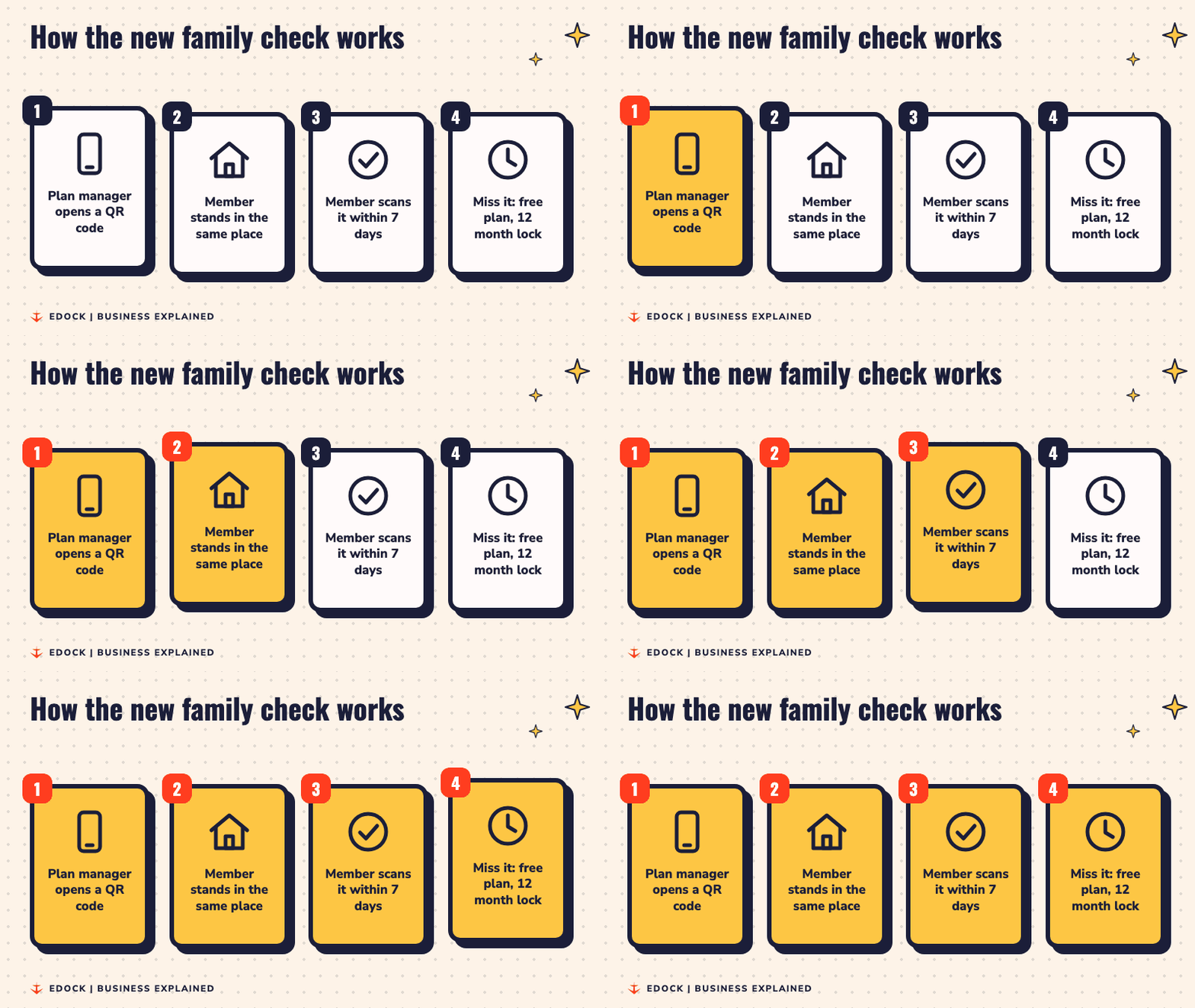
Now there is a stricter step. Spotify may ask some members to scan a QR code. Here is how it works, according to that same help page:
- The plan manager opens a QR code inside the Spotify app on their phone.
- The member scans it with their own phone camera.
- Both people need to be in the same place for the scan.
- The code changes every few seconds, so a screenshot will not work.
9to5Google reported on 19 October that users on Reddit spotted this rolling out. Some users said they could get around it with extra devices and video calls. But the method is much harder to fool than typing an address.
What happens if you miss the scan?
Members get seven days after the notification to finish the scan. If they miss it, or cannot do it, the help page lists two results:
- They cannot join a different Family or Duo plan for 12 months.
- They can pick another plan, like paying for their own Premium account.
9to5Google adds that members who miss the window are moved down to the free version of Spotify, the one with ads. In simple words: the free ride ends, and the person has to either pay on their own or listen with ads.
What did Spotify actually say?
On the investor call, someone asked about the crackdown. According to TechCrunch, Norström said the Family plan has existed for "close to 12, 13 years" and makes up "a pretty significant proportion" of Spotify's paying base. He said it is important to improve the checks over time, because people find holes. He also said this work has no end date. It will keep going as a routine.
Before that, on 21 October, a Spotify spokesperson told TechRadar that household plans are for people who live at the same address as the main account holder, as written in Spotify's terms. The spokesperson added that the company keeps looking at ways to make sure its plans are "used as intended."
Why do streaming companies stop sharing?
Go back to the thali. If ten neighbours keep eating from it, the cook earns the same money but feeds far more people. Sooner or later, the cook says: only the family eats.
TechCrunch says the move is meant to push more people into Spotify's paid Premium plans, which make money for the company, instead of letting adult children or friends living apart share one cheap plan. TechRadar links the move to Netflix's earlier crackdown on password sharing, which is the same idea: one home, one plan.
For a company, this is about revenue, which is all the money that comes in from customers. Every person who leaves a shared plan and starts paying alone adds to it.
How big is Spotify right now?
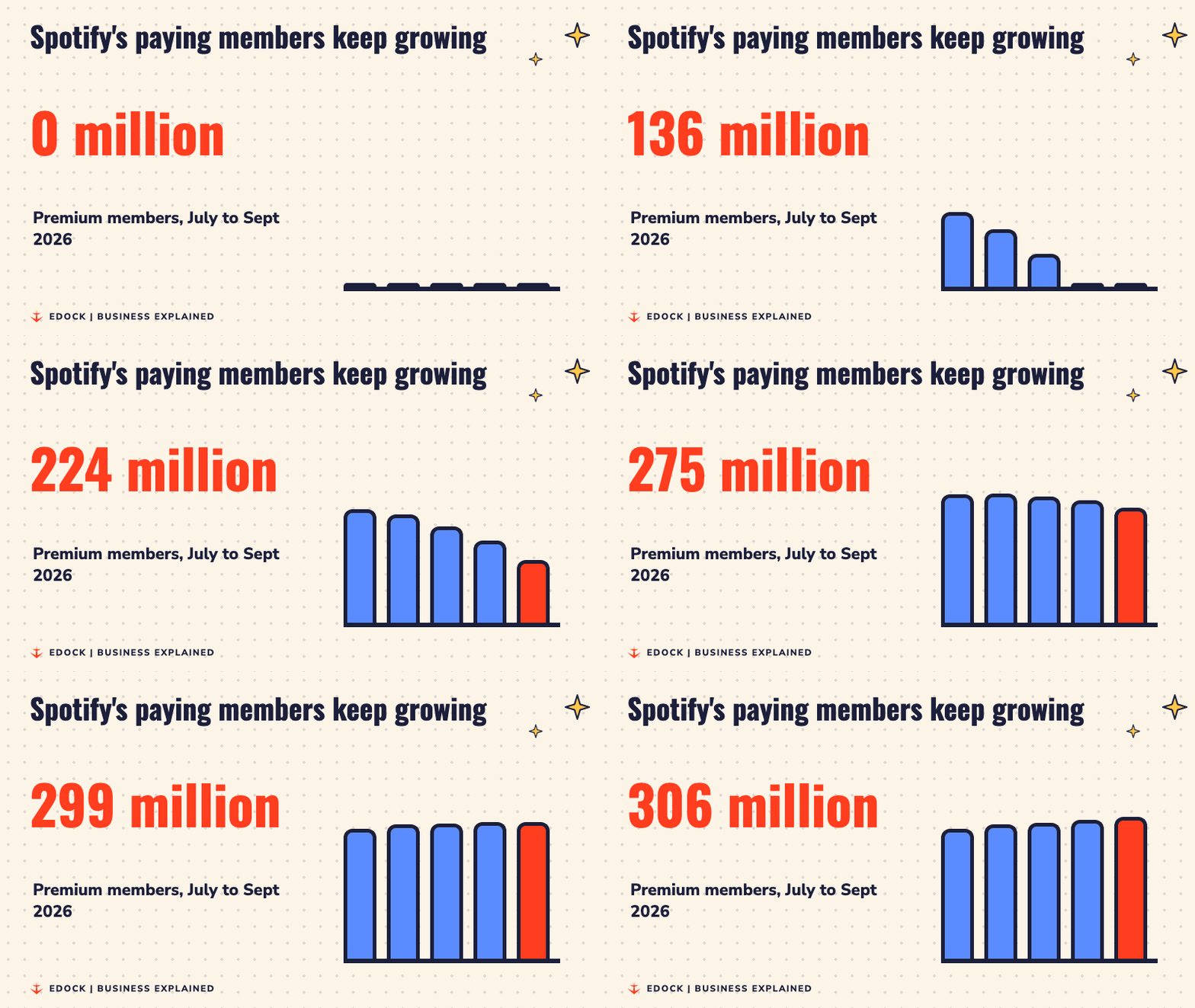
Very big. Spotify's own results deck for July to September 2026 shows 788 million monthly active users. That means 788 million people used Spotify at least once in a month. Out of them, 306 million were paying Premium members, up 9% from 281 million a year earlier. That is 25 million more paying members in one year.
The same deck shows total revenue of 4,969 million euros for the quarter, up 16% from a year earlier, and operating income of 672 million euros. Operating income is what a business earns from its main work after paying its daily costs, like staff and marketing. TechCrunch described it as a strong quarter with nearly 5 billion euros in revenue.
The reports on the Family plan change do not give a number for how many people share plans across homes. So it is not yet known how many shared members will start paying on their own.
Does this matter in India?
The reports so far do not say whether the QR code check has reached India. But the rule about one home already shows up on Spotify's India price page. It lists a Platinum plan at ₹299 a month for up to 3 accounts, "for up to 3 individuals residing at the same address." A Standard plan for one person costs ₹139 a month, and a student plan costs ₹69 a month.
Do the maths. ₹299 split three ways is a little under ₹100 each, which is cheaper than ₹139 alone. That gap is exactly why people like sharing, and exactly why companies want to check who is sharing.
The video version
Here are two short news videos on how the new QR check works.
The simple takeaway
A family plan is a shared thali for one home. Spotify is now checking the address on the thali more carefully, with a QR code that needs both phones in the same place. Miss the seven day window, and the member drops to the free version with a 12 month lock on joining another family plan. Spotify calls it a routine fix. For anyone who shares a plan with a friend in another city, it may soon mean paying alone.
Sources
- TechCrunch: Spotify confirms Family Plan crackdown, but calls it a routine improvement (22 October 2026)
- Spotify Support: Address and verification for Family plan
- 9to5Google: Spotify QR code verification for Family sharing (19 October 2026)
- TechRadar: Spotify's crack down on Family plan sharing
- Spotify: Q3 2026 results deck (22 October 2026)
- TechCrunch: Spotify's current AI bet (22 October 2026)
- Spotify India: Premium plans and prices
- Cover photo: Headphones and smartphone, by wu yi takeshi2, CC0
