Small towns and small sellers powered Myntra's big festive sale
Version 1 of 1 saved 27 Oct 2026, 12:47 pm IST · Chain line 268
As it was first published
Small towns and small sellers powered Myntra's big festive sale
New buyers from non-metro cities jumped 74% and over 1,350 sellers sold five times more during the Big Fashion Festival.
More than 1,350 sellers on Myntra sold five times more than usual during one festive sale. On 26 October 2026, the fashion app shared the results of its Big Fashion Festival. The biggest growth did not come only from Mumbai or Delhi. It came from shoppers in places like Dehradun and Gorakhpur, and from small brands in Surat and Ludhiana.
Here is the full story, told simply.
What exactly happened?
Myntra's Big Fashion Festival, or BFF, is the company's main festive sale. This year it began on 8 October, and Myntra said it would offer over 8 million styles, double the last edition.
When the sale ended, Myntra shared its numbers. Visits to the app rose 25% compared with the previous BFF. Orders for some groups of brands nearly doubled compared with regular business days. "Regular business days" simply means normal days with no big sale.
Those groups were D2C brands, international brands and FWD. A D2C, or direct-to-consumer, brand sells straight to you instead of through a big shop, like a home baker who sells cakes on Instagram. FWD is Myntra's section for Gen Z, meaning young shoppers in their teens and early twenties.
Who is Myntra, again?
Myntra started in 2007 in Bengaluru. In the early days, the company printed personal gifts like T-shirts and mugs. From 2011, Myntra moved to selling fashion. In 2014, Flipkart bought the company, and Myntra still runs under the Flipkart group.
Before this sale, Head of Myntra Sharon Pais spoke of making fashion easy to reach for "over 80 million shoppers across the country".
This short Myntra video announced the sale before the festival opened on 8 October.
Why do small cities matter so much?
In India, "metros" are the biggest cities, like Mumbai, Delhi and Bengaluru. Everything else, from Jammu to Bhubaneswar, is called a non-metro. Business reports often call these Tier 2 and Tier 3 cities.
During the festival, new customers from non-metro areas rose 74% over regular business days. Think of it like this. If 100 new shoppers from small cities joined on a normal day, about 174 joined on a sale day.
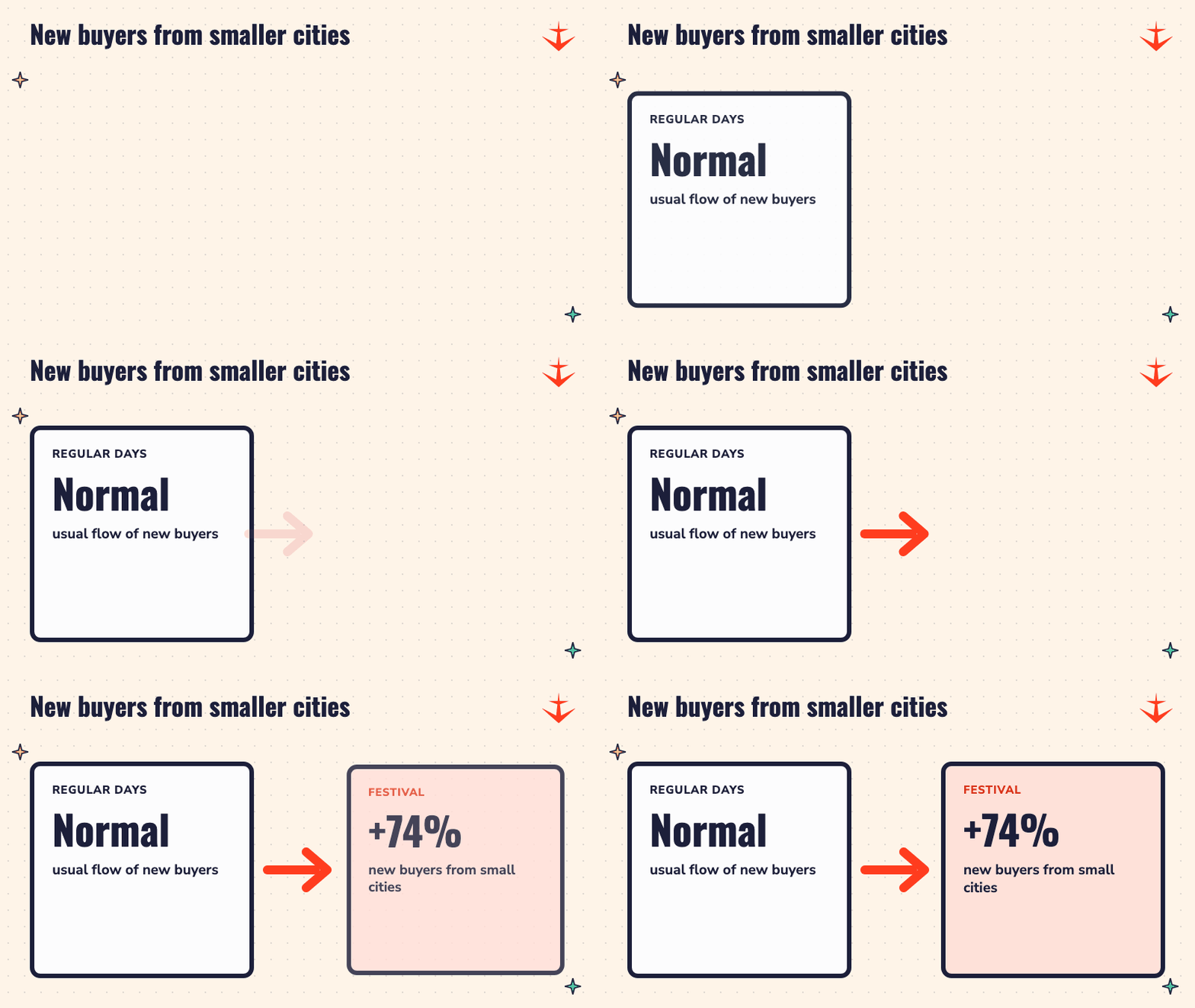
Myntra named the five fastest-growing non-metro cities: Guwahati, Dehradun, Bhubaneswar, Jammu and Gorakhpur.
Small cities were strong from the very first day. On opening day, Myntra said, shoppers from Tier 2 and Tier 3 cities placed more than half of all orders, and demand in the first 24 hours was four times higher than normal.
The East had its own festival boost. Durga Puja shopping in West Bengal, Odisha and nearby states was much higher than in the last BFF, led by ethnic wear, footwear and beauty products.
What does this mean for small sellers?
Myntra works a lot like a giant village mela. The ground belongs to Myntra, but many of the stalls belong to sellers. A seller is a business that lists its clothes or shoes on the app. Myntra brings in the crowd and helps with delivery, and the seller makes the products.
So far in 2026, Myntra has added 12,000 sellers, including new brands from Surat, Ludhiana, Kolkata and Delhi-NCR.
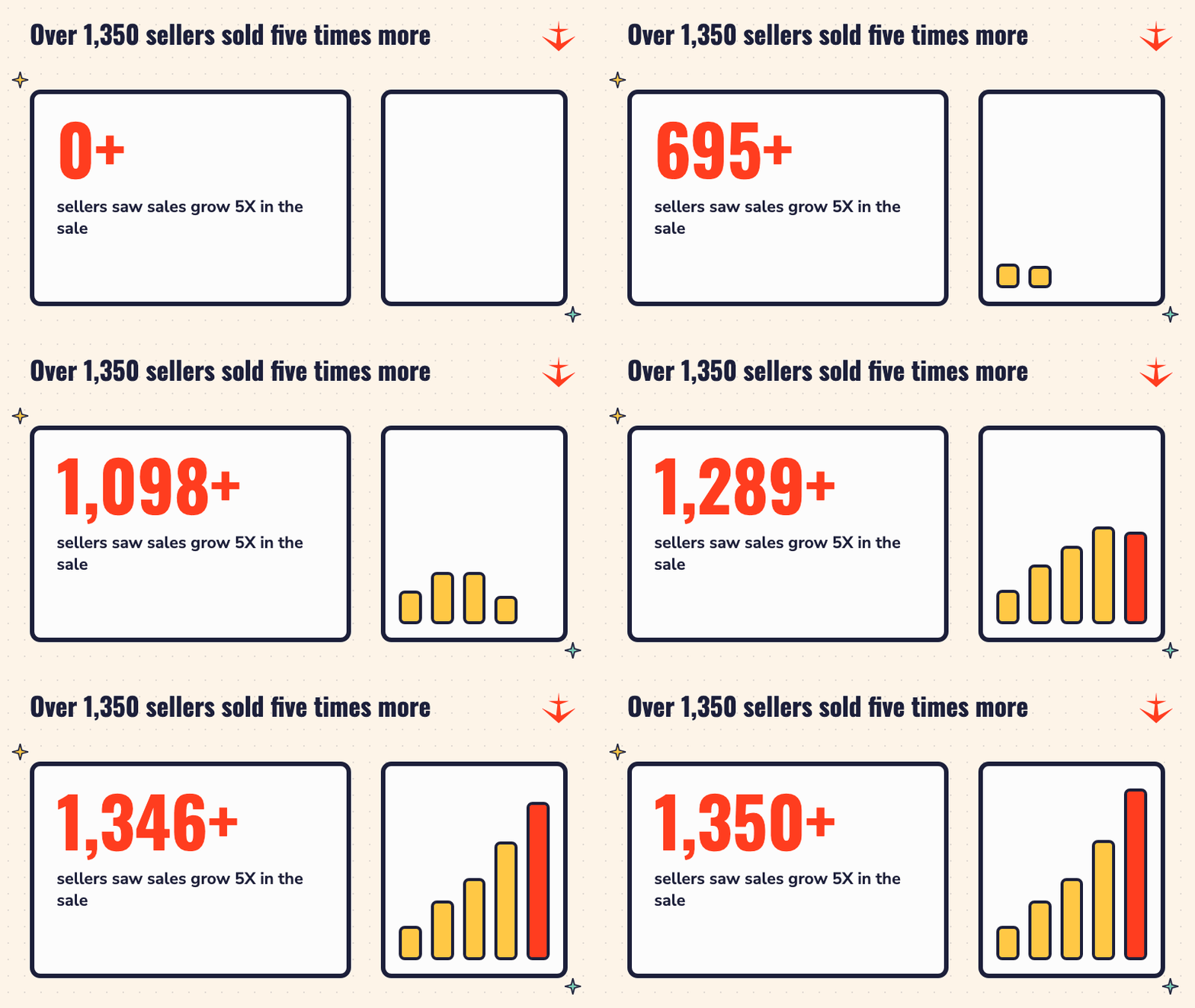
For many of these sellers, the sale was a big week. One in four sellers saw sales double. More than 1,350 sellers saw sales grow five times. Picture a small kurta brand that sells 20 pieces on a normal day. Five times more would mean 100 pieces a day.
Something similar is going on at Flipkart, Myntra's parent company. Flipkart said that dropping its commission to zero for fashion brought 75% new sellers onto Flipkart before its own festive sale. A commission is the small cut a market keeps on each sale, like a canteen owner keeping a few rupees for every samosa a vendor sells inside the canteen. That number is for Flipkart, not Myntra.
What did people actually buy?
Men's casual wear was a big pick for new shoppers. It made up 26% of all first-time buyers.
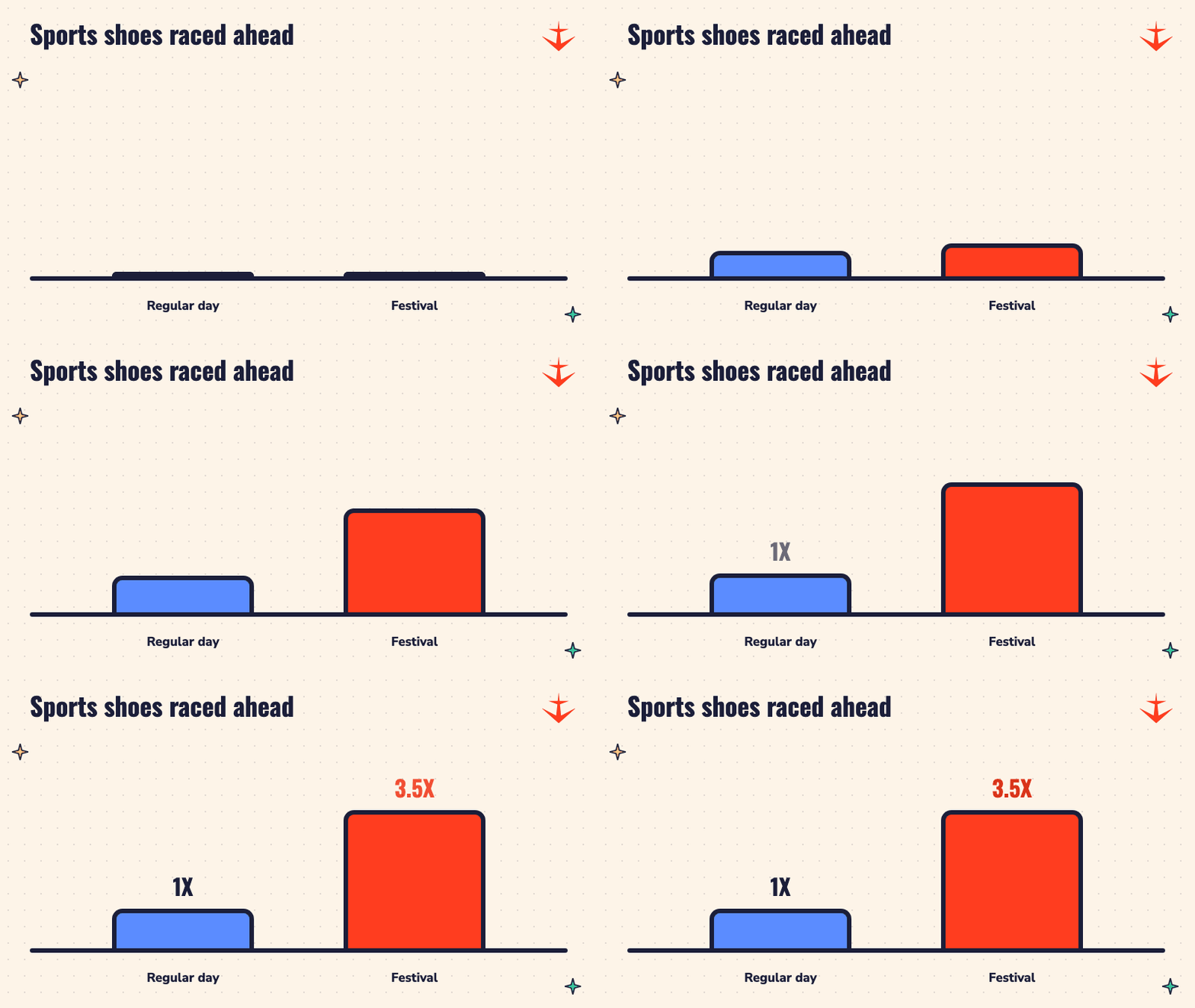
Sports shoes saw one of the biggest jumps. Sales of sports footwear grew 3.5 times over regular business days. Other fast-growing groups were men's occasion wear, watches, eyewear, jewellery and luggage.
The rush started right at midnight. In the opening hour, customers ordered 800 T-shirts and 500 pairs of shoes every minute.
Beauty grew too. Myntra Beauty saw new customers grow about 20% compared with the previous BFF, led by perfumes, face washes and lipsticks.
Clothes in under five minutes?
Myntra also runs M-Now, a quick delivery service. Quick commerce means getting your order in minutes, the way a chai stall next door is faster than a restaurant across town.
M-Now orders were more than 2.6 times the orders during the last BFF. Many people used the service for last-minute festive outfits. The fastest delivery took under five minutes. The most expensive single purchase was an international luxury jacket that cost over Rs 1.9 lakh.
Why should young Indians care?
First, the shopping map of India is changing. The PTI report on the results said they highlight the growing role of smaller cities in online fashion.
Second, small brands get a much bigger crowd. Myntra says its new sellers give emerging brands from cities like Surat and Ludhiana access to millions of customers across India. For a young person starting a clothing label, that crowd used to need a shop on a busy high street.
One thing to keep in mind: all these numbers come from Myntra itself. The company shared growth rates, not the total sales in rupees, and no outside group checked them.
Sources
- The Economic Times: Myntra's Big Fashion Festival nearly doubles orders as festive demand spreads beyond metros
- Images Business of Fashion: Non-metros lead new customer growth at Myntra's Big Fashion Festival
- Daily Excelsior (PTI): Myntra's Big Fashion Festival nearly doubles orders for D2C, global brands
- Apparel Resources: Myntra's Big Fashion Festival sees nearly double orders for D2C brands and FWD
- Business News This Week: Myntra's Big Fashion Festival clocks 4X demand on opening day
- YourStory: Flipkart Big Billion Days sale begins on Oct 9, Myntra and Cleartrip announce similar sales
- Wikipedia: Myntra
- Cover photo: Varanasi shop display (festive outfits on mannequins at a clothes shop in Varanasi), by juggadery, CC BY-SA 2.0
