Protein atta brand MillD is building a plant 10 times bigger to chase Rs 700 crore
Version 1 of 1 saved 21 Oct 2026, 3:33 am IST · Chain line 102
As it was first published
Protein atta brand MillD is building a plant 10 times bigger to chase Rs 700 crore
It sold 1,200 kg in its first month and now sells about 13,000 kg a day. Here is what its new Bengaluru plant and sales goal mean.
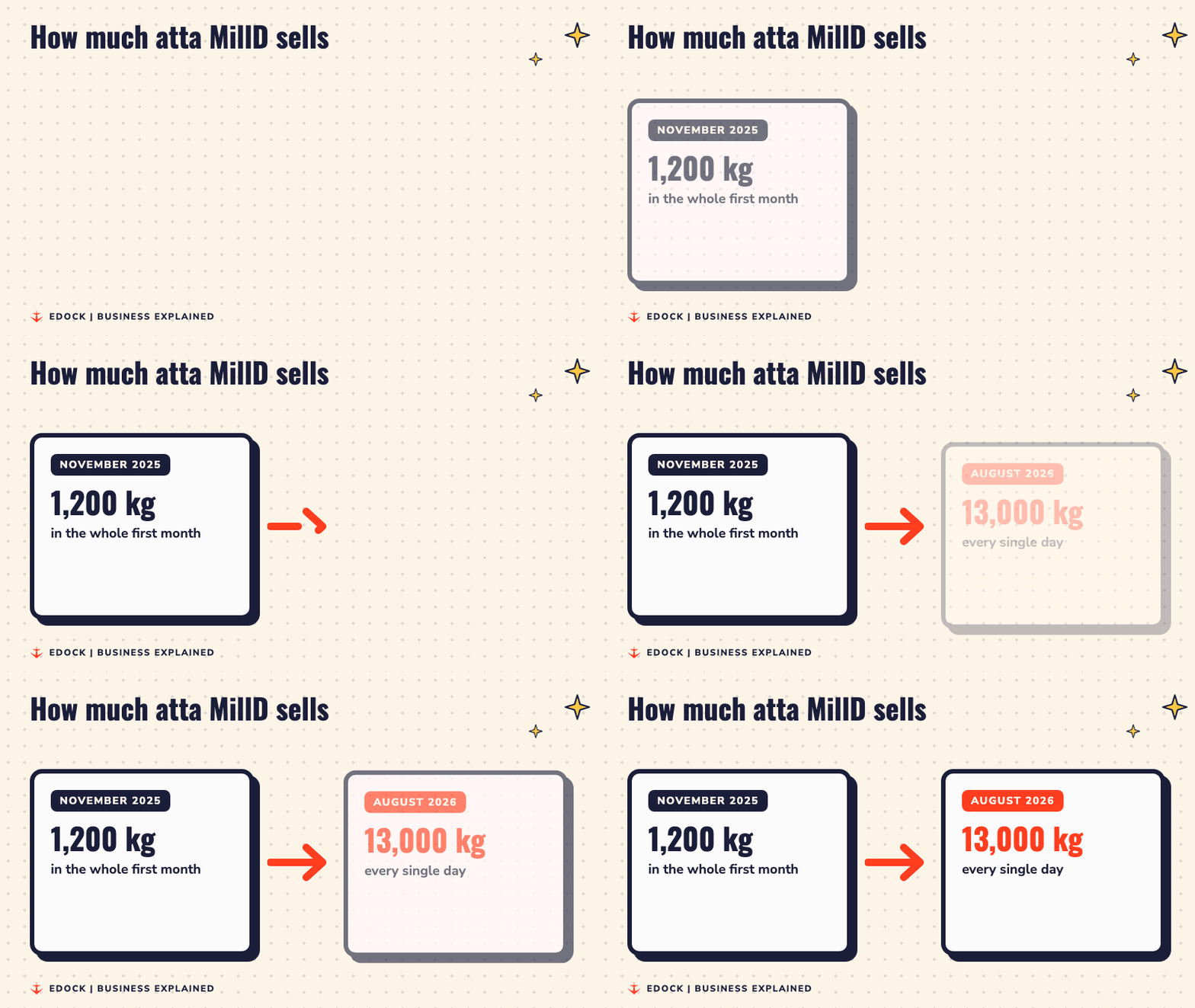
In November 2025, a new atta brand called MillD sold about 1,200 kg of flour in its whole first month. By August 2026, it was selling about 13,000 kg every single day. That is more than ten times a month's sales, now gone in one day.
On 20 October 2026, its co-founders told ETRetail about their next big step: a new factory near Bengaluru that can make ten times more flour than the one they have now. They also shared a goal of Rs 700 crore in yearly sales by FY29.
First, what is MillD?
MillD sells high-protein atta, the flour used to make rotis at home. It was started by Prashant Pitti and Sivaram Briyas. Pitti is also known as a co-founder of EaseMyTrip, the travel booking company. Briyas earlier built a tofu business and sold it to Milky Mist in 2025, says ETRetail.
The idea is simple. Instead of selling protein as a powder or a snack, put it inside something people already eat every day. The founders say one MillD roti has 15 grams of protein, against about three grams in a normal roti. The atta costs Rs 250 per kg, which works out to roughly Rs 6 per roti, as per the founders.
Pitti first made the flour for himself in 2023. It took 281 trials, or attempts at the recipe, to get it right, according to the same report. These are the company's own claims about its product, and this post is about the business, not about diets.
The factory plan, in simple numbers
Think of a factory like a chai stall. If your stall can make 20 cups an hour and people are already buying 15, you will soon run out of room. You need a bigger stall.
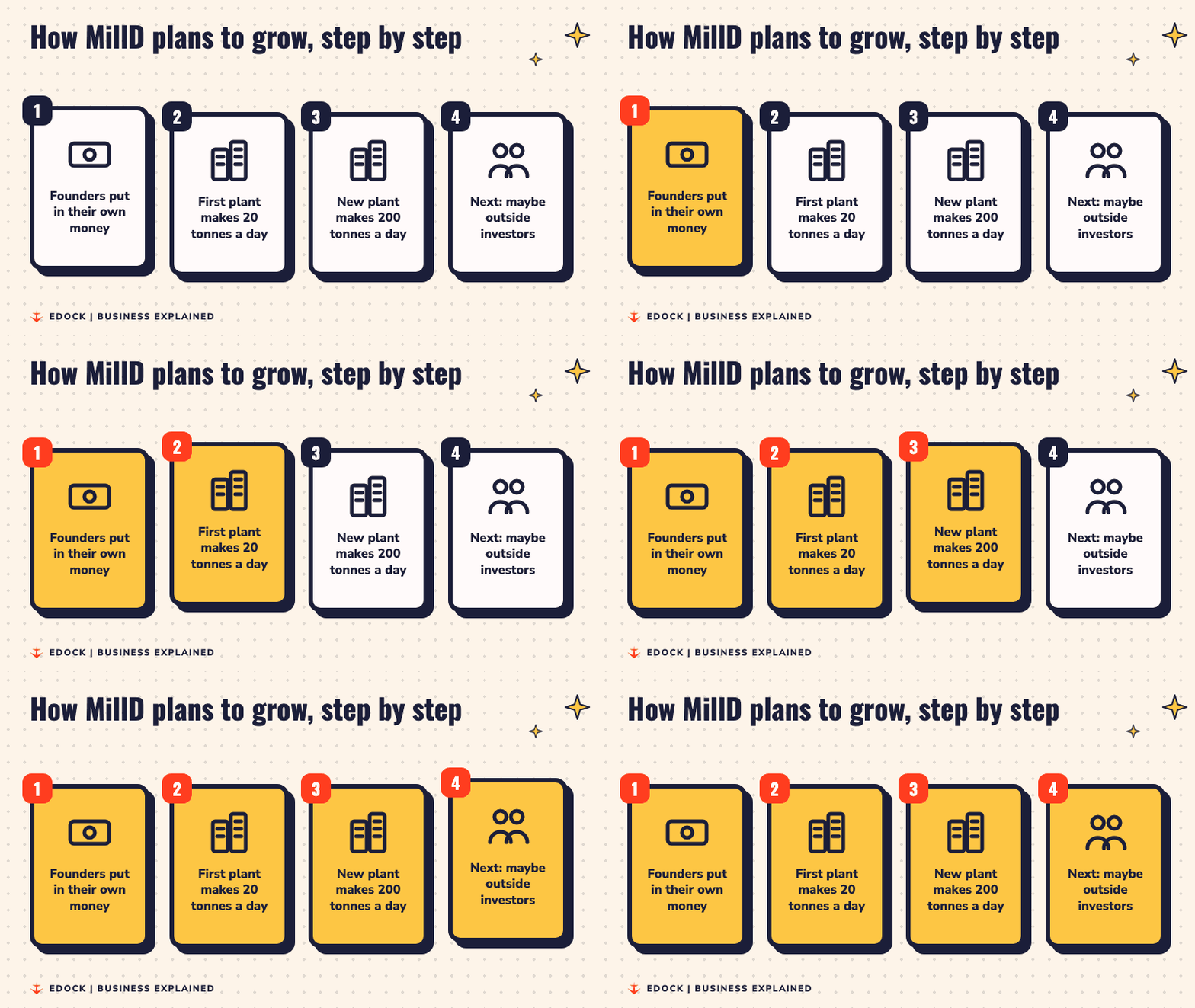
That is where MillD is. Its current unit near Bengaluru can make 20 tonnes of atta a day. A tonne is 1,000 kg. Right now it is making about 14 to 15 tonnes a day, so it is close to full.
The new plant will be 40,000 sq ft and will make 200 tonnes a day. That is the "10 times" jump: 20 becomes 200. For comparison, the old unit is 7,000 sq ft, with 5,000 sq ft for making the flour and 2,000 sq ft for packing and sending orders out. The founders did not say how much the new plant will cost.
Who paid for all this?
So far, the founders have used their own money. In startup language this is called bootstrapping: building a company without taking cash from outside investors. It is like running your samosa stall from your own pocket money instead of borrowing from friends.
That may change. The founders told ETRetail they are now looking at an external fundraise, which means bringing in investors who give money in return for a share of the company. No deal has been announced.
What does "Rs 110 crore ARR" mean?
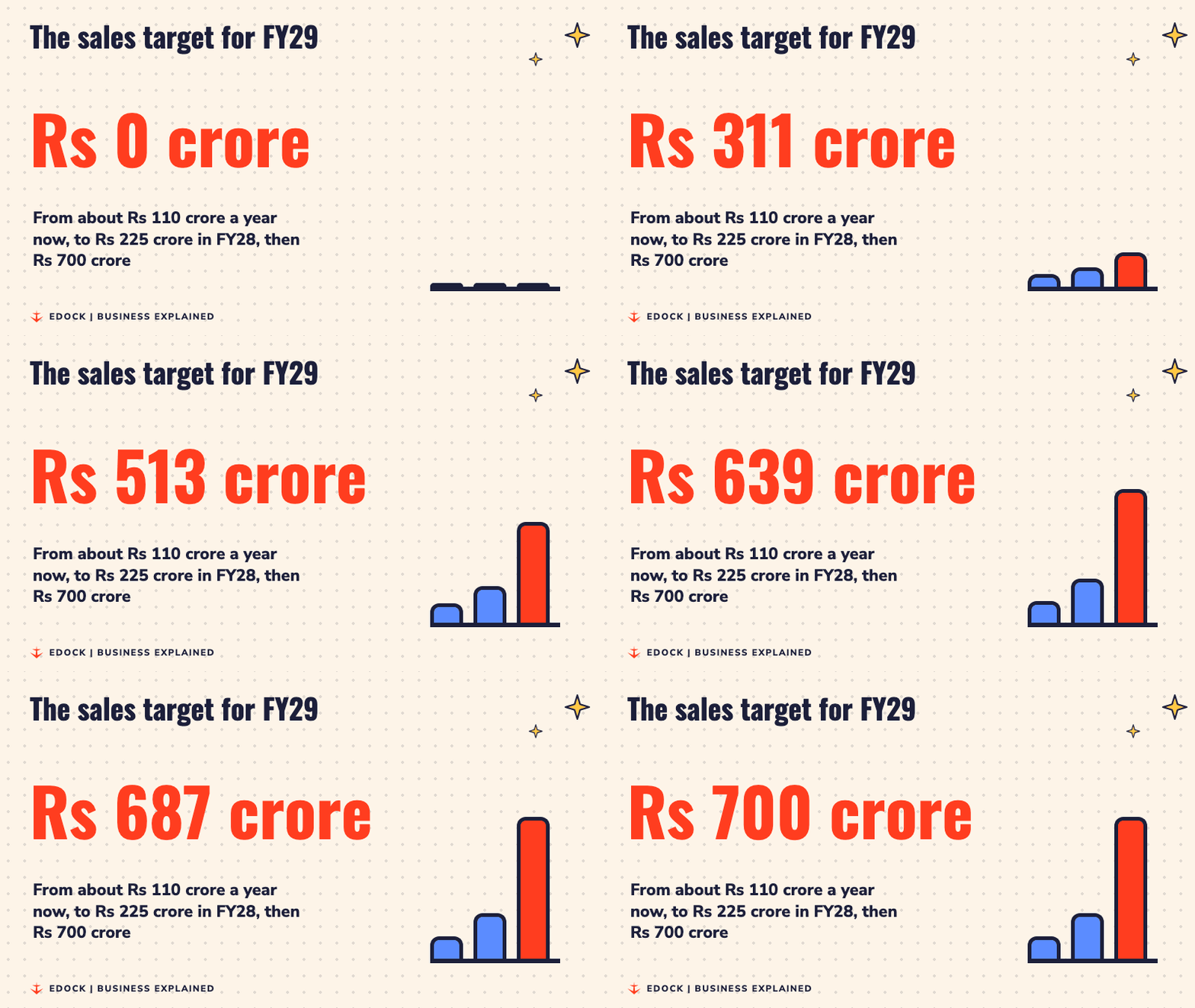
MillD says it has reached an annualised revenue run rate, or ARR, of about Rs 110 crore within eight months of launch. ARR is a quick way to say: "If we keep selling at today's speed for a full year, this is what we would earn."
Here is a simple example. If a lemonade stall earns Rs 100 a day today, its run rate is Rs 100 times 365, or Rs 36,500 a year. It has not earned that yet. It is a guess based on today's speed. In the same way, Rs 110 crore a year works out to a little over Rs 9 crore a month at MillD's current pace.
The targets are bigger. The founders aim for about Rs 225 crore in FY28 and about Rs 700 crore in FY29. FY means financial year, which in India runs from April to March. So FY29 ends in March 2029. Going from Rs 225 crore to Rs 700 crore would mean sales growing a little more than three times in one year.
Where do people buy it?
MillD began by selling only on its own online store. This is called D2C, or direct to consumer: the brand sells straight to you, with no shop in the middle. Today, about 65 to 70% of sales still come from its own site. The rest comes from online marketplaces and quick-commerce apps, the ones that deliver in minutes.
The average order on its own site is about Rs 900. Around 37% of buyers come back to buy again, the founders told ETRetail. For a flour brand, repeat buyers matter a lot, because atta runs out every few weeks and people need to buy it again.
The brand is also thinking about selling in regular kirana shops and supermarkets, which the trade calls general trade and modern trade. It has not set a date for that.
Small towns are buying more than you might think
Here is a surprise. MillD's own order data shows that its five biggest metro cities bring in only 38% of orders. The rest come from smaller cities and towns, Indian Retailer reported.
Between December 2025 and June 2026, orders from Mohali grew more than 9 times. Nagpur grew 7.5 times, and Dehradun and Bhopal about 7 times, as per NuFFooDS Spectrum. Delhi is still its single biggest market.
The brand says it has reached nearly 6 lakh homes across more than 1,700 cities and towns. Actor Milind Soman is its brand ambassador, the face it uses in its ads.
Why the founders think atta is the big prize
The founders say they are not trying to win the protein powder market. They want a slice of the regular atta market, which they estimate at about Rs 1.5 lakh crore in India. That is the logic of the whole plan: atta is something nearly every Indian kitchen buys, again and again.
The founders told ETRetail the brand plans to stick to its one main product instead of launching many new ones. Pitti said he believes this product alone can become a Rs 20,000 crore market. That is the founder's own belief, not a forecast from any research firm.
MillD is not the only company to spot this idea. ITC, a much bigger food company, also sells a protein atta, and the business channel NDTV Profit has asked in a video whether the trend is a real shift or smart marketing.
The big picture
A brand that sold 1,200 kg in its first month now wants a factory that can make 200,000 kg a day. If the plan works, a homemade recipe tested 281 times could become one of India's fastest-growing food brands. If demand slows, a ten times bigger factory could sit half empty. Either way, it is a real-life lesson in how a small D2C brand tries to turn into a big one.
Sources
- ETRetail: MillD to scale capacity 10-fold with new Bengaluru plant, targets Rs 700 cr revenue by FY29 (20 October 2026)
- Indian Retailer: High-protein atta brand MILLD grows rapidly across Tier II and Tier III India
- NuFFooDS Spectrum: Small-town India emerges as the growth engine for high-protein atta, says MILLD
- Cover photo: Wheat flour 01, by congerdesign, CC0 1.0
