Nat Habit raised ₹142 crore. Now it wants to be in 2 lakh shops
Version 1 of 1 saved 11 Oct 2026, 2:26 pm IST · Chain line 4
As it was first published
Nat Habit raised ₹142 crore. Now it wants to be in 2 lakh shops
The personal care brand that grew online plans to go from 20,000 shops to 2 lakh. Here is what that means, in super easy words.
Picture a small shop near your home. The one that sells biscuits, chai patti, soap and hair oil, all packed tight on wooden shelves. Now imagine one brand trying to get onto the shelves of 2 lakh shops like that. That is the big plan of Nat Habit, an Indian brand that sells hair oils, face creams and other personal care products. On October 10, 2026, news came out that it had raised ₹142 crore from investors to grow. Let us break it down, step by step.
First, who is Nat Habit?
Nat Habit was started in 2019 by Swagatika Das and Gaurav Agarwal. It sells hair oils, hair masks, scrubs and face creams. It makes products for hair, skin, body and even babies. The company says its products are plant based and mix old Ayurveda ideas with modern science.
The company also says it has already sold to more than 60 lakh households. That is a lot of bathrooms with a Nat Habit bottle in them.
Nat Habit is a D2C brand. D2C means "direct to consumer". It is like a samosa stall that sells straight to you, instead of giving its samosas to a big shop to sell. Nat Habit started this way, online first.
What does "raising ₹142 crore" mean?
When a company raises money, people called investors give it cash. In return, they get a small piece of the company. It is like a friend giving you money to grow your lemonade stall, and in return owning a small part of it.
This round is called a Series C. Startups often raise money in steps, and each step gets a letter: Series A, then B, then C. A Series C usually means the company is already fairly big. Nat Habit's last step was a $10.2 million Series B in 2023.
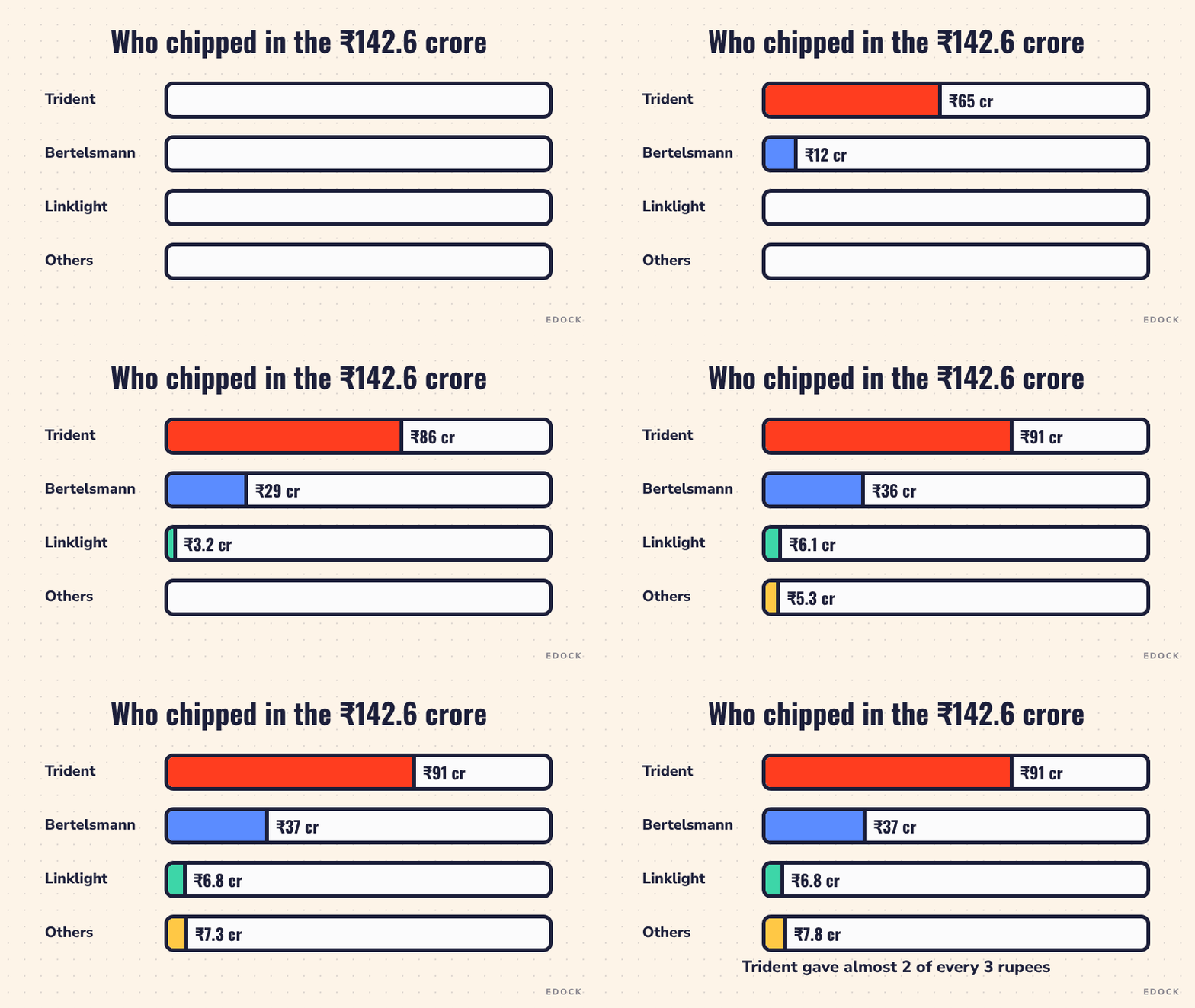
The biggest giver this time was an investor called Trident Growth Partners. Filings seen by Entrackr show it put in ₹91 crore. That is almost two out of every three rupees in the round. Bertelsmann put in ₹37 crore, and Linklight Ventures put in ₹6.8 crore. A few others added the rest.
The same filing shows the company gave out 22.5 lakh special shares at ₹633.5 each. Multiply them, and you get about ₹142.5 crore. Entrackr estimates the whole company is now worth about ₹800 crore. That price tag on the whole company is called its valuation.
How big is Nat Habit, really?
There are two numbers you will see, and they are counted in different ways.
- Nat Habit says its gross revenue for FY26 was ₹330 crore. Revenue is the money customers pay for products. "Gross" means the big total before things are taken out of it.
- The company's filed accounts for FY25 show revenue from operations of ₹106 crore, up 47.2% from the year before. In that same year, it made a loss of ₹29 crore. A loss means it spent more money than it earned.
FY means "financial year". In India it runs from April to March. So FY25 ended in March 2025, and FY26 ended in March 2026. The FY26 accounts are not filed yet, so the two numbers above cannot be compared side by side.
The company now aims to grow its revenue by 60 to 70% this financial year.
The big plan: from phones to shop shelves
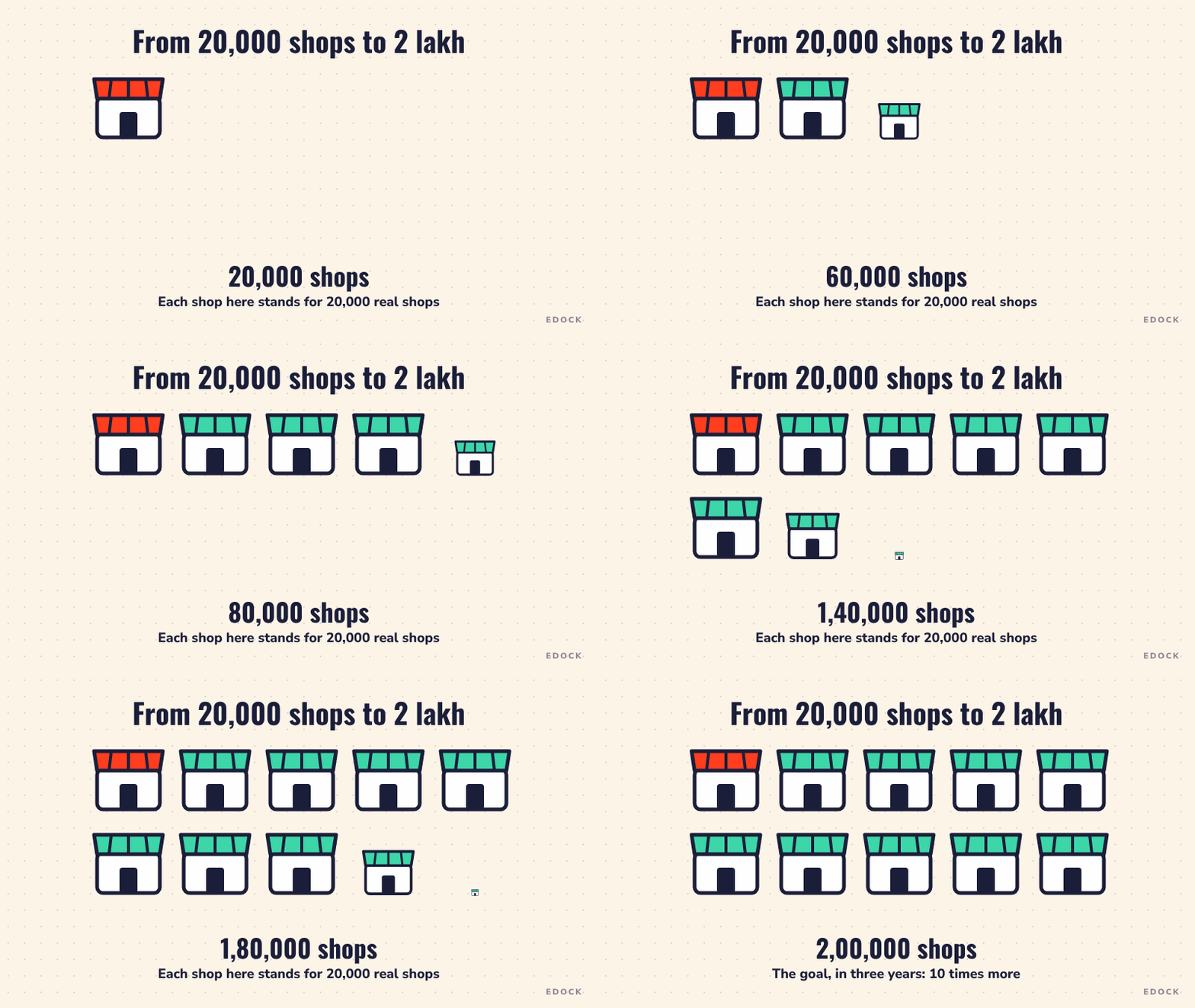
Here is the most interesting part. Nat Habit is in about 20,000 stores today. It wants to be in 2 lakh stores in three years. That is 10 times more shops.
Why does a brand that grew online want to be in physical shops? Think about where your family buys hair oil. Is it an app, or the shop on the corner? Business people call these small shops general trade. Big supermarket chains are called modern trade. Nat Habit wants to grow in both.
It also wants to reach the "Bharat consumer". That means shoppers in smaller towns, not only rich families in big cities. To do that, the company says it will change its pack sizes and the way it talks to buyers. Smaller packs cost less, so more people can try them, like buying a small sachet instead of a big bottle.
Co-founder Swagatika Das put it simply: "Our ambition now is to make our products accessible to many more households across India."
Quick delivery and a bigger factory
Nat Habit also wants to sell more on quick commerce apps. These are the apps that bring things to your door in minutes.
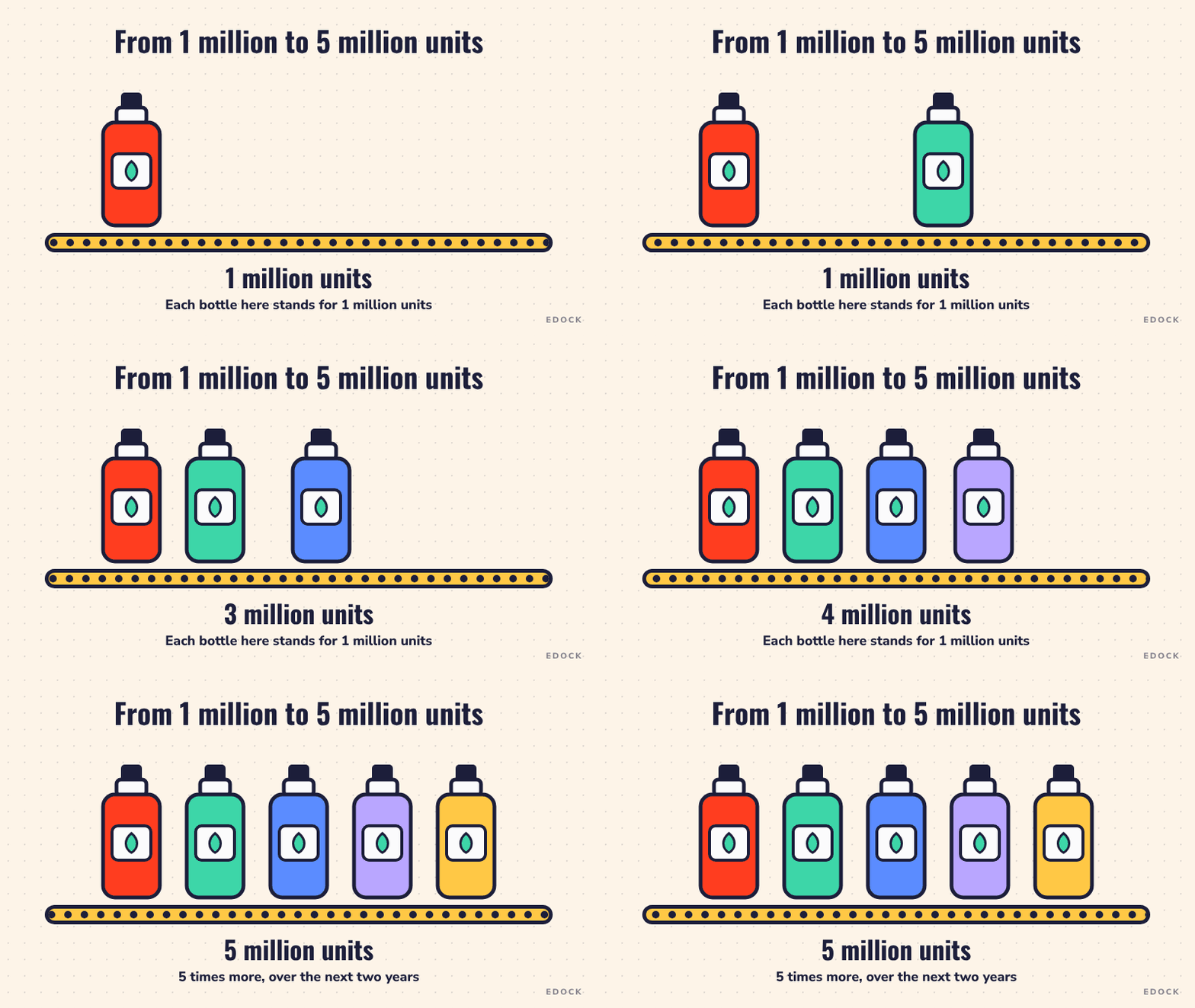
And to fill all those new shelves, it needs to make a lot more bottles. The company plans to grow its factory output from 1 million units to 5 million units over the next two years. Today it makes its products in Gurugram. The new factory will be built from scratch, maybe in central India.
New products are coming too. Over the next three years, it plans to add body wash, serums, sunscreen and hair colour.
Is growing this fast easy?
Not always. Inc42 points to another Ayurveda brand, The Ayurveda Co, which shut down after its cofounder said overexpansion derailed the business. Overexpansion means growing too fast, too soon. It is like opening five chai stalls in one week before your first one is making money.
So the big question for Nat Habit is simple. Can it go from 20,000 shops to 2 lakh, make five times more bottles, and still keep its money in control? The next few years will tell.
Why this story matters to you
- Nat Habit started online. Now it wants to be on the shelf of the shop next door.
- Startups grow in steps: Series A, B, C. Each step brings more money, and more pressure to grow.
- Big sales do not always mean profit. Always check both numbers.
Sources
- D2C Brand Nat Habit Raises ₹142 Cr To Scale Offline Expansion (Inc42, 10 October 2026)
- Exclusive: Nat Habit to kick off $15 Mn funding round led by Trident Growth Partners (Entrackr, 9 October 2026)
- Nat Habit Secures ₹142 Cr Funding To Fuel Expansion; Eyes 60-70% Revenue Growth In FY27 (Outlook Business, 10 October 2026)
- Swagatika Das on starting Nat Habit (ABP LIVE Podcasts, YouTube)
- Cover photo: Person holding an open jar of natural skincare product, by Shixart1985, CC BY 2.0
- Cover photo: Edible hibiscus flowers, by Tikva Morowati, CC BY 2.0