Lindt plans about 20 chocolate stores in India in two and a half years
Version 1 of 1 saved 21 Oct 2026, 1:08 pm IST · Chain line 112
As it was first published
Lindt plans about 20 chocolate stores in India in two and a half years
After a first shop in Delhi made close to Rs 1 crore in a month, its partner VTC plans 11 stores in north and west India.
Picture this. A small shop in Delhi sells only one brand of chocolate, and in its very first month it brings in close to Rs 1 crore. That shop belongs to Lindt, the Swiss chocolate maker. Now there is a plan for about 20 more like it across India.
On 21 October 2026, ETRetail reported that Lindt plans to open close to 20 stores in India over the next two and a half years. The details came from Akshay Verma, managing director of VTC Group, the company that will build many of these stores.
Who is Lindt, and who is VTC?
Lindt and Sprungli is a chocolate company from Zurich in Switzerland. It has been making chocolate for about 180 years. It runs 12 factories in Europe and the USA, around 650 of its own stores worldwide, and reported sales of CHF 5.92 billion in 2025. CHF is the Swiss franc, the money used in Switzerland.
Its signature range, Lindor, is sold as small foil-wrapped chocolate balls.
VTC Group is an Indian company. For five years it has been a distributor for Lindt in north and west India. A distributor is the middle person between a brand and the shops. Think of the person who brings crates of cold drinks to your local kirana store, takes the order, delivers it, and takes back damaged bottles. VTC does this kind of work for Lindt and for other brands like Procter and Gamble and Cello. ETRetail says its distribution reaches about 1 lakh stores.
What is an "exclusive brand outlet"?
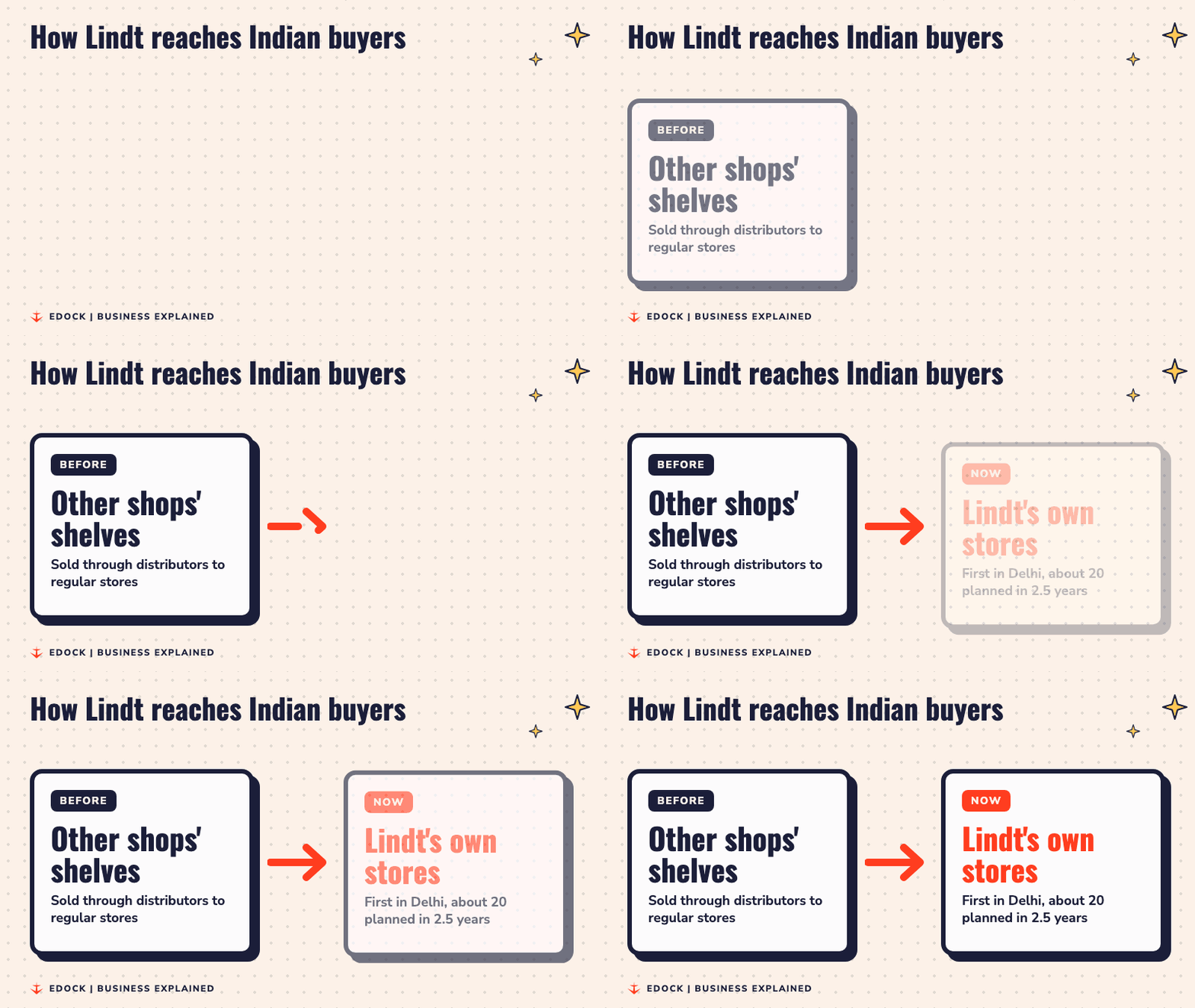
Most chocolate in India is sold in shops that sell many brands side by side. A Lindt bar sits on the same shelf as many others. The shop decides how much space each one gets.
An exclusive brand outlet is different. It is a shop that sells only one brand. Think of the difference between a school canteen that sells snacks from ten companies and a stall that sells only one family's samosas. In the second one, that family decides everything: the look, the menu, the prices and how the staff talk to you.
The first store, in Delhi
The first Lindt store in India opened in early September 2026 at Worldmark, Aerocity, in New Delhi, according to ETRetail. Aerocity sits next to Delhi's airport. It has hotels, offices and restaurants, so the shop gets both local shoppers and travellers.
The store is about 1,100 square feet, roughly the floor of a two-bedroom flat. ETRetail says it stocks over 500 SKUs. SKU means "stock keeping unit", which is a shop's word for each separate item it sells. A 100 gram dark bar and a 200 gram dark bar are two SKUs, even if the chocolate is the same.
The star of the shop is a "pick and mix" wall. Time Out Delhi describes a floor to ceiling wall of foil-wrapped Lindor balls, where shoppers fill a bag and pay by weight. It lists prices from Rs 200 onwards.
Here is a short clip that Lindt India posted about the launch.
The plan for 20 stores
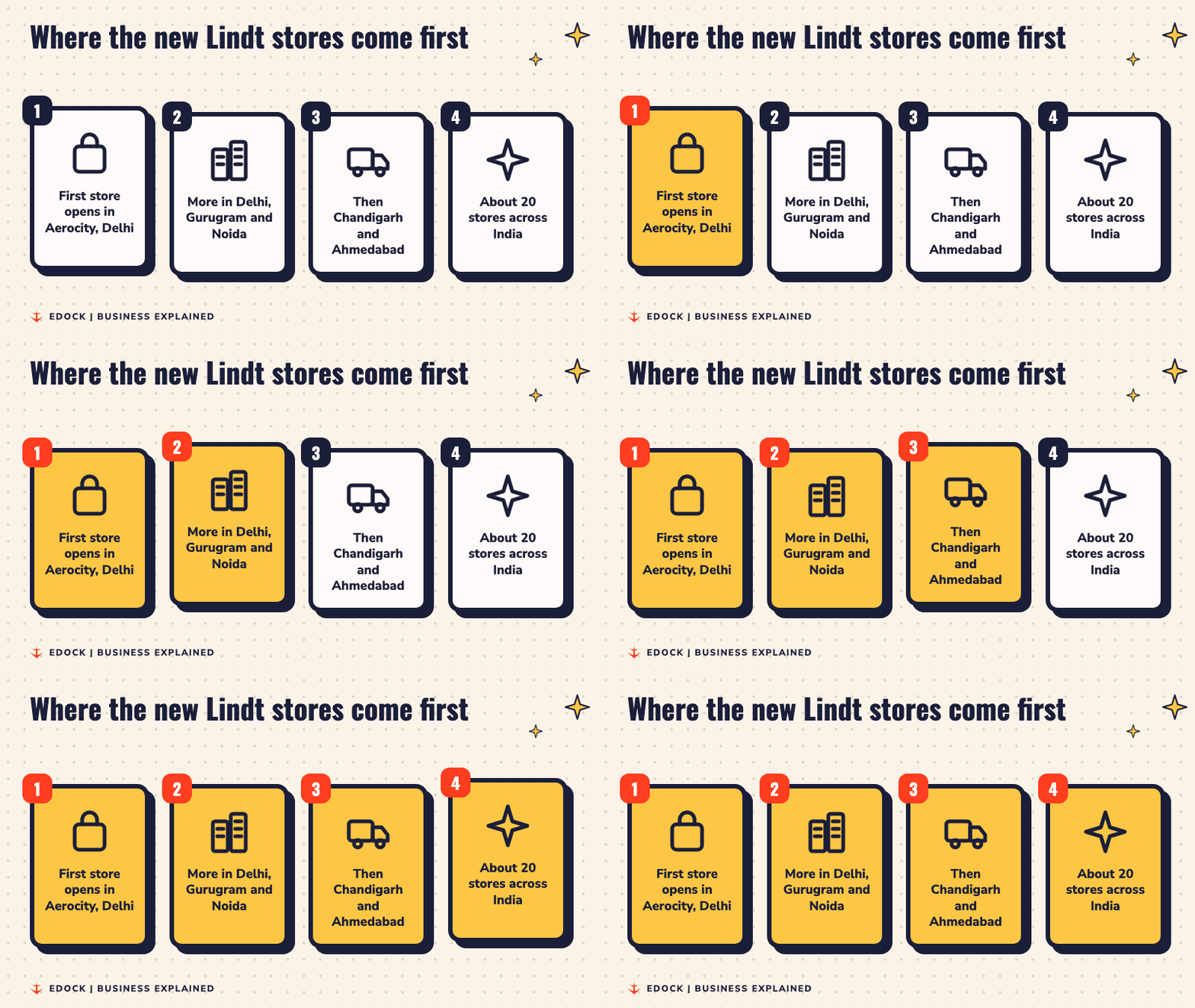
Verma told ETRetail that the mandate is to open close to 20 stores in India in two and a half years. VTC's part of that is 11 stores in north and west India. The first stops are Delhi NCR, then Chandigarh and Ahmedabad.
VTC is looking at two more stores in Delhi and one each in Gurugram and Noida. Each store should be at least 100 square metres, or around 1,100 square feet. All of this depends on finding good shop spaces and on how the stores perform.
What does it cost, and what could it earn?
VTC has set aside around Rs 40 crore for its 11 stores. Interiors alone could cost Rs 2 to 2.5 crore per store. That does not include cold storage, imports and stock.
Now the earnings side. Revenue is all the money that comes in from sales, before any bills are paid. The first store made close to Rs 1 crore in its opening month. But Verma said this was helped by its Delhi location, the launch buzz and the festive season. So it may not be a normal month.
VTC expects the Lindt stores to bring in at least Rs 6 crore over the next five to six months. Over the longer term, it hopes each store will make around Rs 8 crore a year. Eleven stores at Rs 8 crore each would be Rs 88 crore a year, a figure Verma himself gave. He also warned that a store in Jaipur will not do the same as one in Delhi.
Remember, revenue is not profit. A samosa stall that sells Rs 1,000 of samosas in a day still has to pay for oil, potatoes and rent. Only what is left is profit. The stores also have to pay rent, staff and the cost of keeping chocolate cool.
Why does chocolate need special care in India?
Chocolate melts. Anyone who has left a bar in a school bag in May knows this. To move it safely, companies use a cold chain: cold rooms, cooled trucks and chilled shelves, so the chocolate never gets too warm on its way from the factory to your hand.
Inc42 notes that India's climate makes chocolate hard to store and move, with very different weather in different regions. Verma told ETRetail that VTC understands the logistics and the cold chain needed for a sensitive product like Lindt. That is one reason a distributor is the one opening these stores.
Why do premium chocolate brands want India?
"Premium" means the higher priced, better quality end of the market. Not the Rs 10 bar at the bus stop, but the box you buy as a gift.
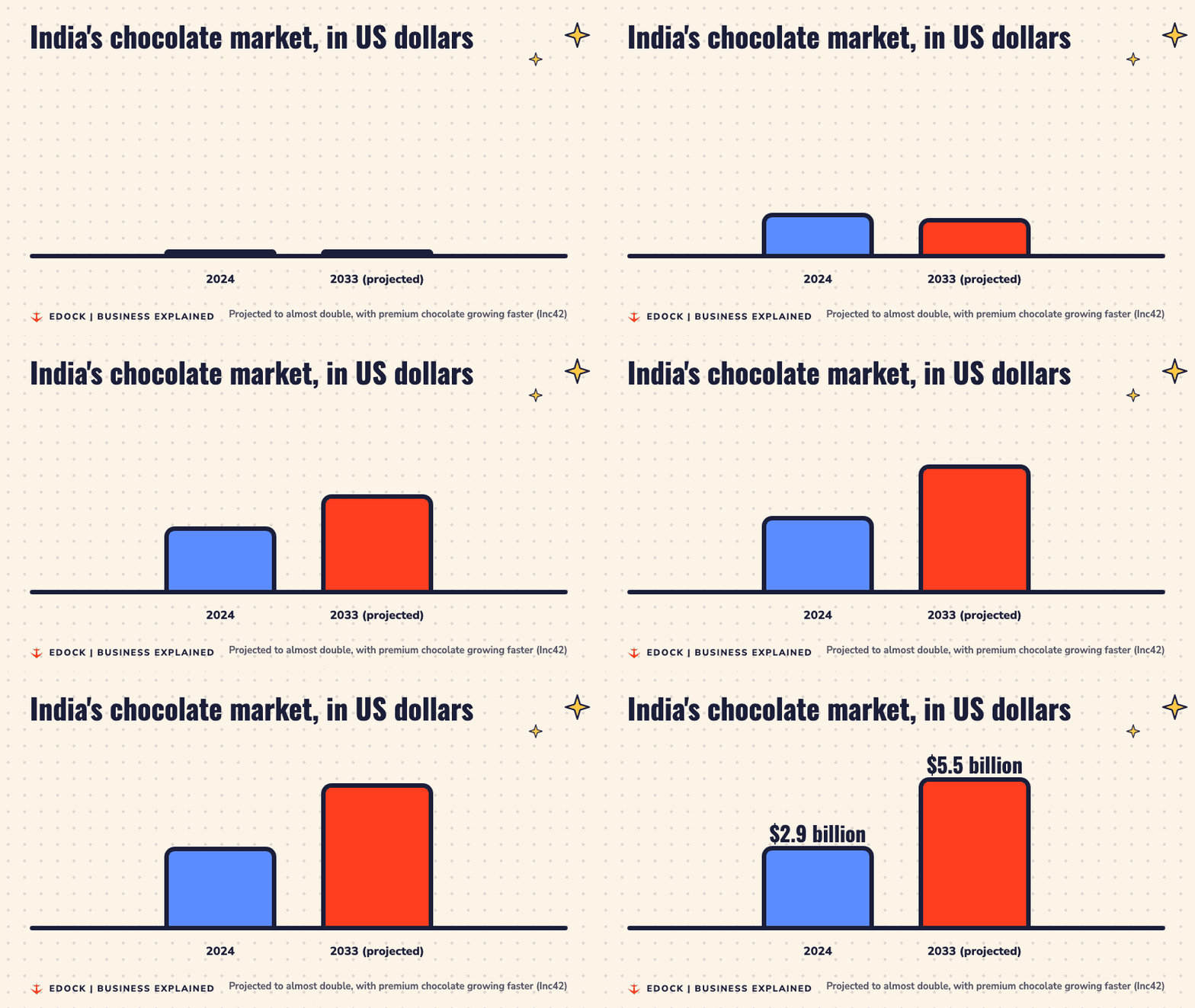
Inc42 says India's chocolate market was worth $2.9 billion in 2024 and is projected to almost double to $5.5 billion by 2033. The premium part is expected to grow faster than the rest.
Inc42 also reports that buyers are getting more curious. They ask about cocoa percentages and ingredients. More people now buy premium chocolate for themselves, not only as a gift. A few years ago, a Lindt box was something many people picked up at an airport duty-free shop. Now the brand wants to meet buyers in their own cities.
Lindt will not have the field to itself. Inc42 names Indian brands such as Paul And Mike, Mason and Co, Soklet, Smoor and ITC's Fabelle that are also chasing the same buyers.
The big picture
This is a simple story of a brand moving from someone else's shelf to its own shop. Owning the shop means Lindt controls how its chocolate is shown, stored and sold. The cost is high: rent, interiors, cold storage and staff for each store. VTC says each store has to make business sense on its own, and the pace will depend on how the first ones do.
If the plan works, chocolate lovers in cities like Chandigarh and Ahmedabad may soon fill a pick and mix bag without needing a trip abroad.
Sources
- ETRetail: Lindt to open 20 exclusive brand stores in India in 2.5 years
- Lindt and Sprungli: first retail store in India opens in New Delhi
- ETRetail: Lindt and Sprungli opens first India retail store in New Delhi
- Time Out Delhi: Lindt opens first India store in Aerocity
- Inc42: Chocolate finds its D2C sweet spot
- Cover photo: Truffles at a shop, by Pravin Premkumar, CC BY 2.0 (cropped)
