Korea's ship parts group, home to HD Hyundai and Samsung Heavy, to open Mumbai office
Shipping Minister Sarbananda Sonowal told Korean makers in Busan that India imports much of its ship engines and machines, and wants them made here.

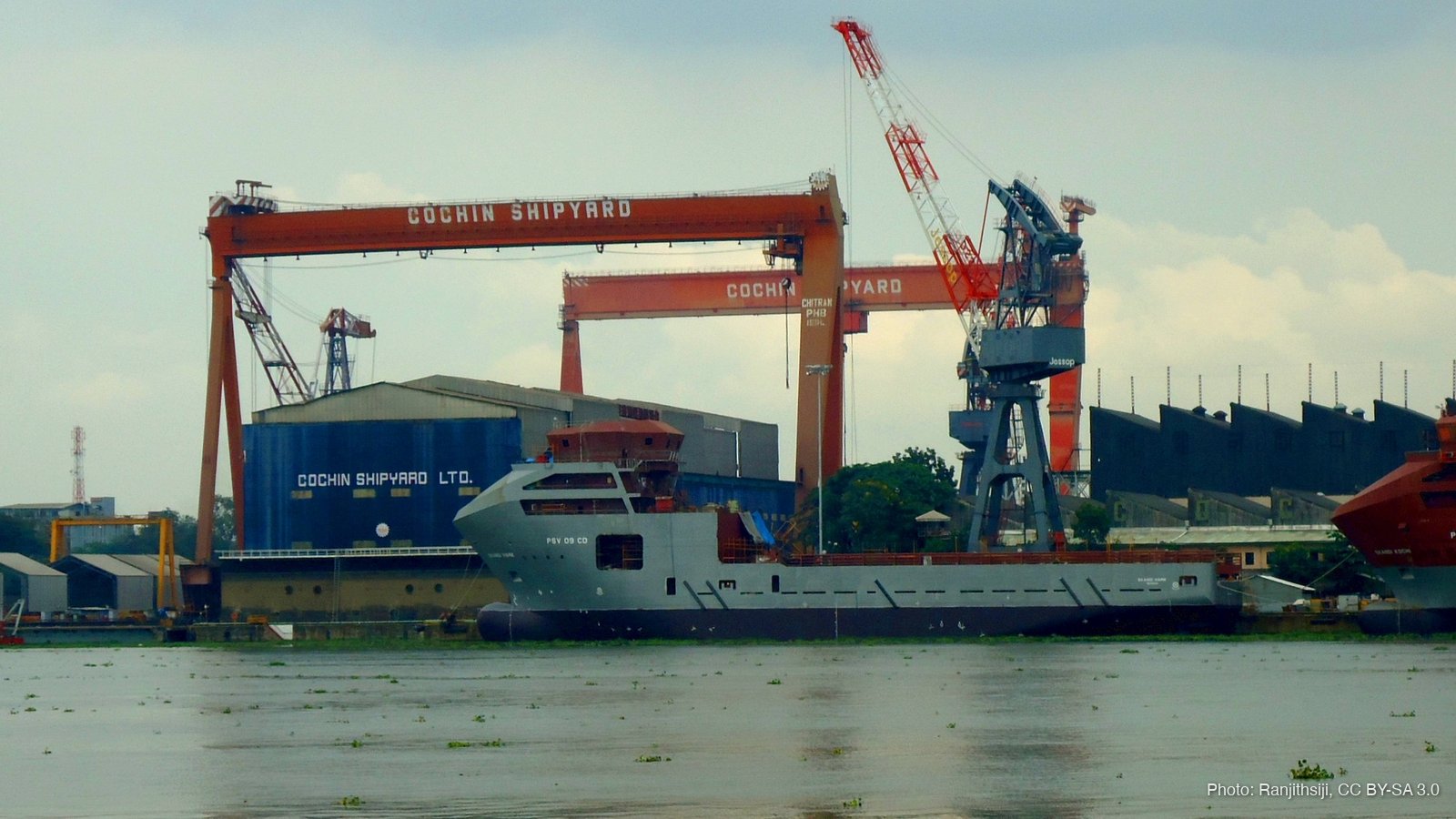
Picture a brand new ship floating in an Indian shipyard. The steel body is made in India. But open it up, and the engine, the big machines on deck and the screens on the bridge often came from abroad. On Monday, 26 October 2026, India's shipping ministry said a group of South Korean makers of exactly these parts will open its first India office in Mumbai on Friday, 30 October.
The group is called the Korea Marine Equipment Association, or KOMEA. Its members include famous Korean names like HD Hyundai, Hanwha Ocean and Samsung Heavy Industries. Here is what this means, in simple words.
Who said what, and where
Union Shipping Minister Sarbananda Sonowal is on a four-day visit to South Korea from 25 October. He started in Busan, which is a major centre of South Korea's shipbuilding industry.
There he met KOMEA. According to The Economic Times, the group was founded in 1980 and represents 304 equipment makers, design firms, shipbuilders and repair companies. Its chairman, Ho-il Kang, said members had begun preparing to enter the Indian market within the next two years.
Sonowal put the pitch in one line: "Every ship built in India needs engines, propulsion, deck machinery, and electrical and navigation systems." He added that much of that high-value equipment is imported today, and that this is the opportunity for Korean suppliers.
What is marine equipment, really?
Think of a car. A car company can build the body, but it still needs an engine, wheels, brakes, a steering wheel and a music system. Many of these come from other companies called suppliers.
A ship works the same way. Marine equipment means the parts that go inside and on top of a ship:
- Engines and propulsion: the engine, and the propeller that pushes the ship through water, like the engine and wheels of a car.
- Deck machinery: big winches and cranes on the deck that pull ropes and lift heavy loads, a bit like a very strong pulley at a construction site.
- Electrical and navigation systems: the wiring, the power units and the screens that tell the crew where to go, like Google Maps and the fuse box of a ship.
These parts are "high-value". That means each one costs a lot compared to plain steel. So when India buys them from abroad, the money for those parts goes to companies in other countries. An import is simply buying something made in another country, like ordering a phone that was made in another country.
Why India wants these parts made at home
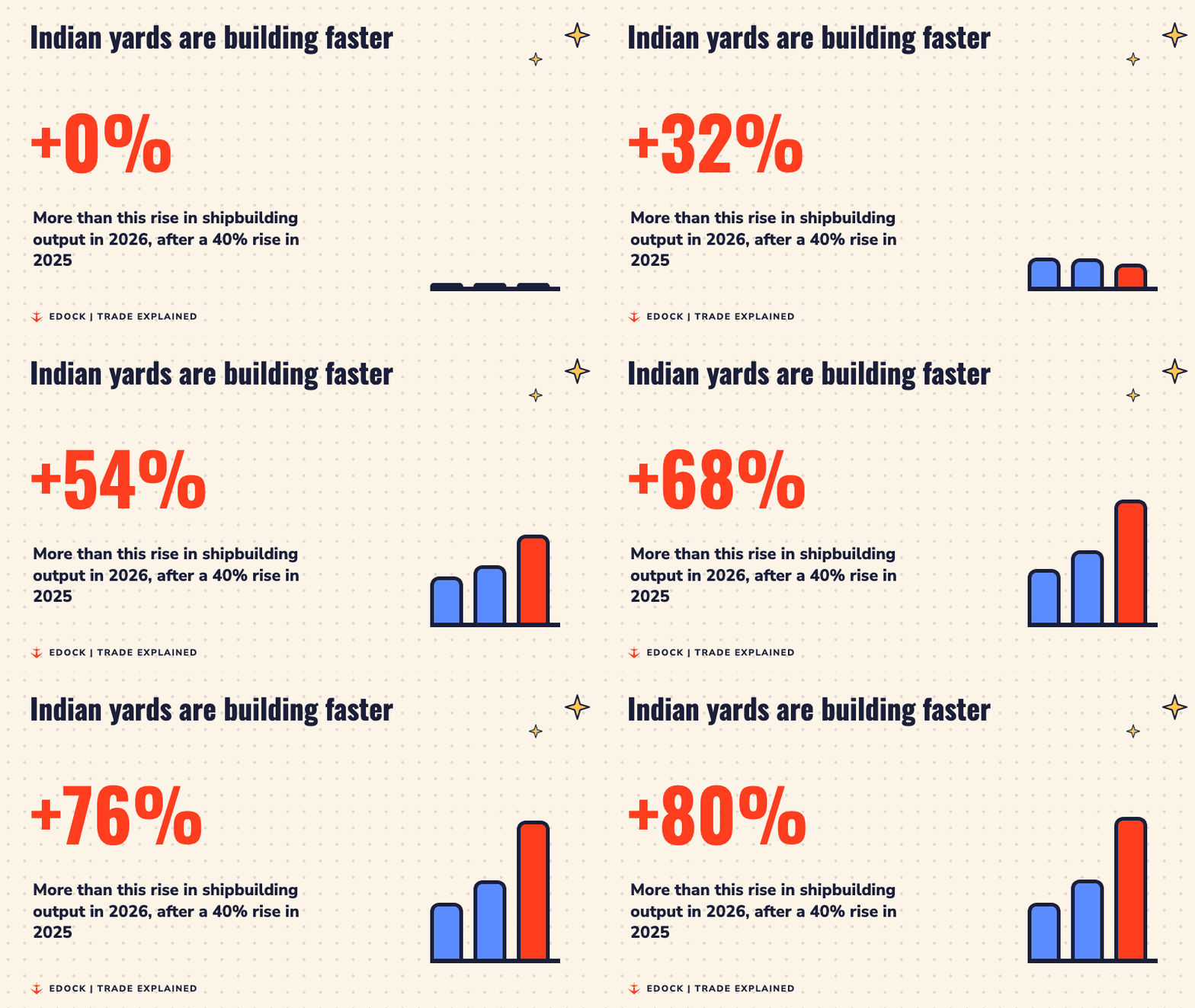
India is building more ships than before. Official estimates quoted by the ministry say shipbuilding output rose 40% in 2025 over the year before, and grew by more than 80% further in 2026.
More ships means more engines, more propellers and more winches are needed. If all of them keep coming from abroad, Indian shipyards stay like a samosa stall that has to buy its potatoes from another city: it can sell a lot, but much of the money goes to someone else.
Sonowal also gave the bigger numbers. Government bodies have together lined up demand for more than 400 vessels worth about $23 billion over the next 10 years. This is called order book visibility. It is like a tailor knowing in advance that 400 wedding orders are coming, so the tailor can plan, hire and buy machines with confidence.
He also said more than 120 ships worth over $1.27 billion are getting direct government help since the scheme began, and export orders make up more than 80% of that value. "We are already building for the world," Sonowal said.
The Rs 69,725 crore plan behind it
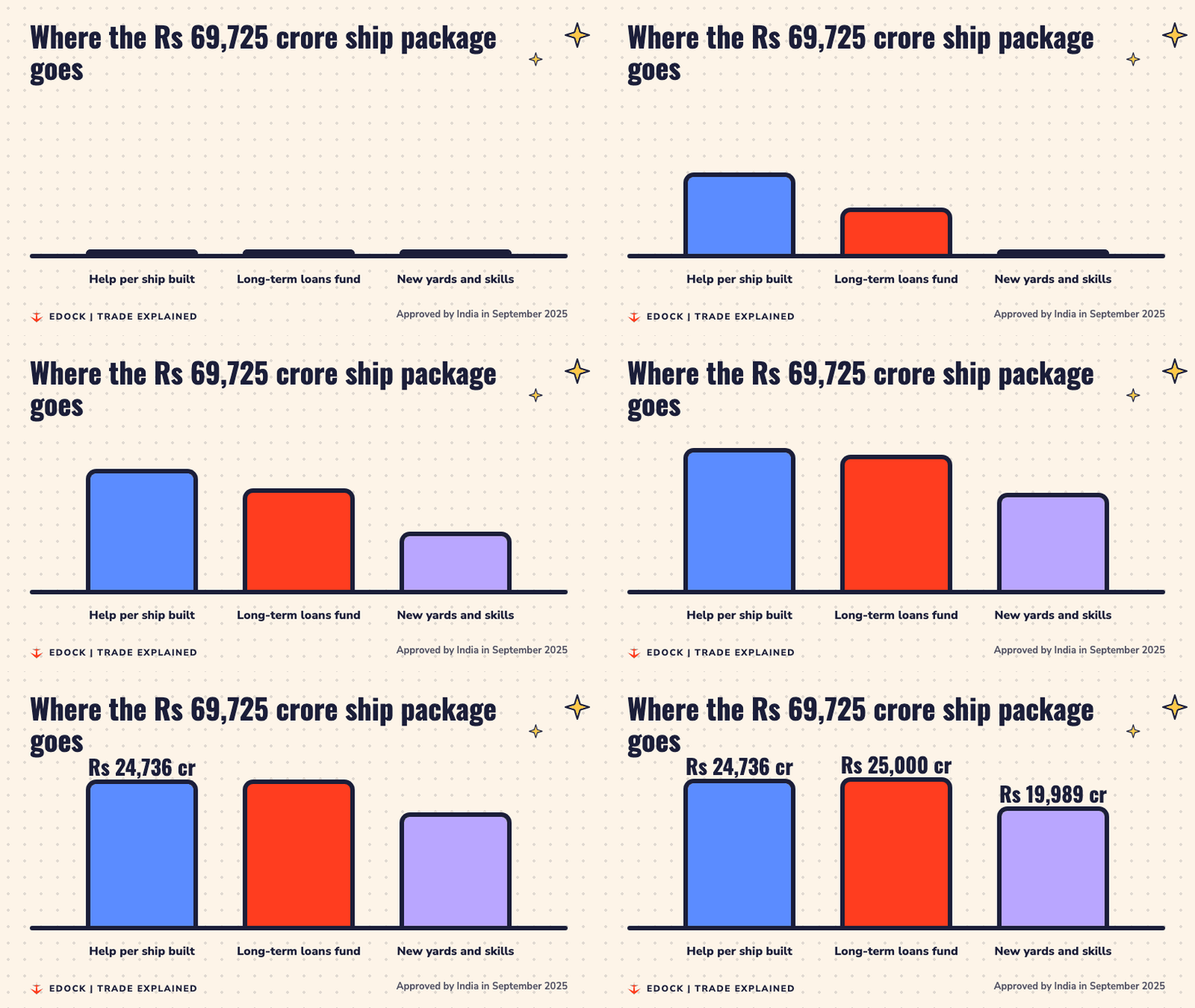
All of this rests on a big money plan. In September 2025, India approved a Rs 69,725 crore package for shipbuilding and maritime development. Maritime simply means anything to do with the sea and ships. The package has three parts:
- Rs 24,736 crore Shipbuilding Financial Assistance Scheme, extended until March 2036. This is money support for shipyards for the ships they build.
- Rs 25,000 crore Maritime Development Fund, to make long-term loans easier to get. A long-term loan is money you can pay back slowly over many years, like a home loan.
- Rs 19,989 crore Shipbuilding Development Scheme, for bigger yards, shipbuilding clusters, technical skills and covering project risks.
Add the three and you get Rs 69,725 crore, which matches the full package.
A cluster, by the way, is a group of factories and yards built close together, like a food street where many stalls share the same customers, water and power.
Korea and India were already talking
This office did not come out of nowhere. In April 2026, during South Korean President Lee Jae Myung's state visit to India, the two countries adopted a framework called VOYAGES for teamwork in shipbuilding, shipping and maritime logistics. Logistics means moving goods from one place to another.
There are two bigger links too. HD Hyundai has an upcoming Korean-style shipbuilding cluster planned at Tuticorin in Tamil Nadu, valued at roughly Rs 38,000 crore. And Cochin Shipyard signed a memorandum with HD Korea Shipbuilding and Offshore Engineering on 4 July 2025 to look at new ship orders together and share skills.
A memorandum is an agreement to work together. It is not yet a final order or money spent. Maritime Gateway points out that such deals do not by themselves mean completed investment, so the real test is whether they turn into real projects.
How Korean firms could set up here
Sonowal called the Mumbai office a long-term platform. He listed three ways Korean firms could enter: joint ventures, licensing, or their own factories. A joint venture is when two companies start a new business together and share the profit, like two friends opening one chai stall. Licensing is when a company lets another company make its product, for a fee, like a famous recipe given to a new restaurant.
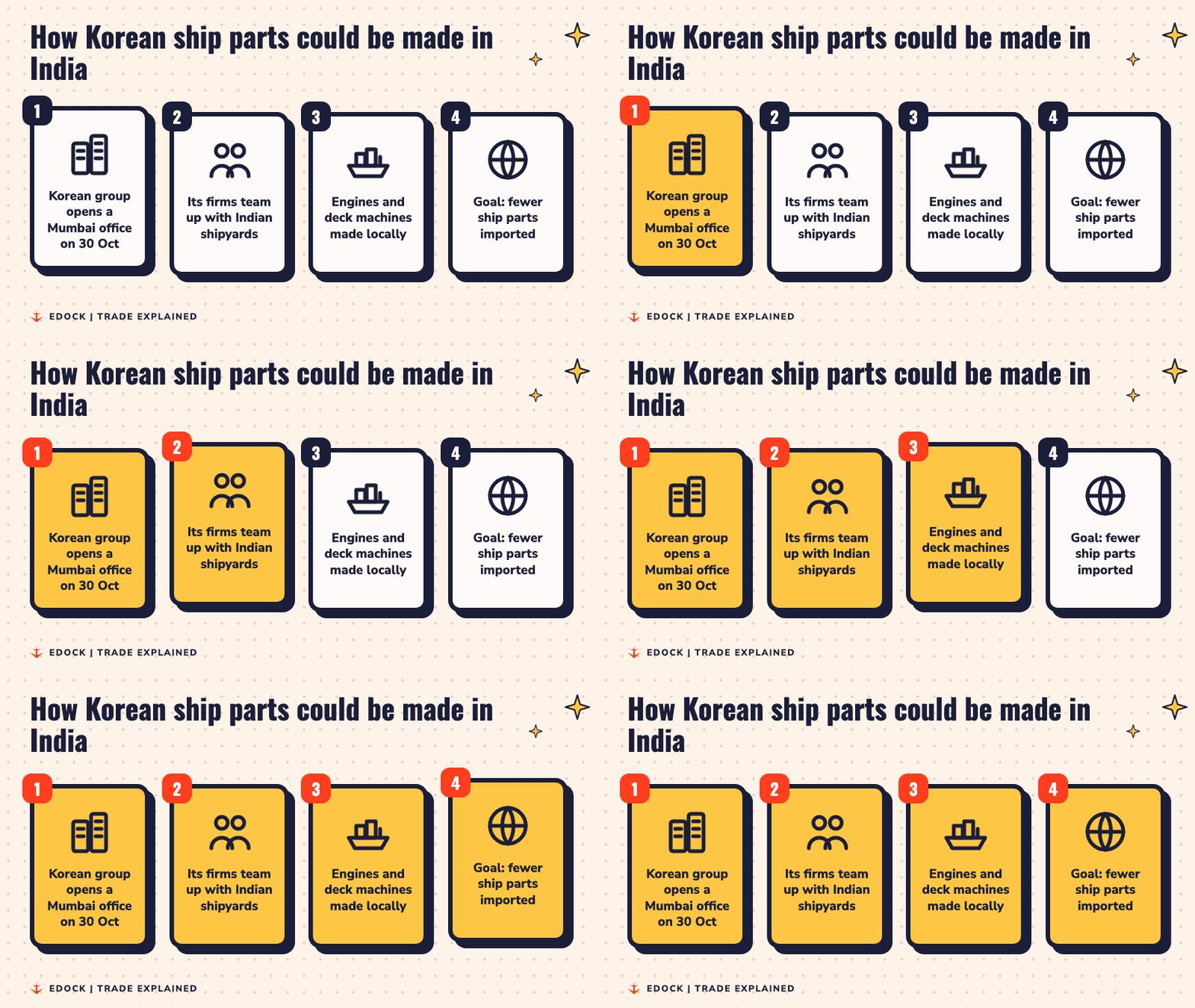
Back in February 2025, KOMEA had already offered to work with Indian yards on design, modernisation, technology transfer, joint training and making marine equipment and spare parts locally.
Why a young Indian should care
India wants to be one of the world's top five shipbuilding nations by 2047, as per India Today NE. In Busan, Sonowal also said India needs more shipbuilders, marine engineers, naval architects, designers, welders and project managers.
If ship engines and machines start getting made in India, that work and that money stay here. For anyone studying mechanical, electrical or marine engineering, this is a field to watch. The first small step happens in Mumbai on 30 October.
Watch: how Korea fits into India's shipbuilding plans
Sources
- The Economic Times: Korea Marine Equipment Association to open India office coming Friday
- The Economic Times: India woos South Korean marine equipment makers as shipbuilding grows
- The Week: Sonowal highlights India's role in global maritime transitions in Busan
- Maritime Gateway: India and Korea shipbuilding cooperation takes centre stage
- India Today NE: Sonowal pushes shipbuilding cooperation with South Korea
- Cover photo: Cochin Shipyard cranes and the vessel PSV 09, by Ranjithsiji, CC BY-SA 3.0

You may republish this story under CC BY 4.0: credit Pranav Sharma and link to this page.