KEC International wins its biggest India power line order: Rs 2,872 crore from Power Grid
The RPG group company will design and build 765 kV lines linked to carrying 8.5 GW of clean power out of Gujarat. Here is what that means, simply.
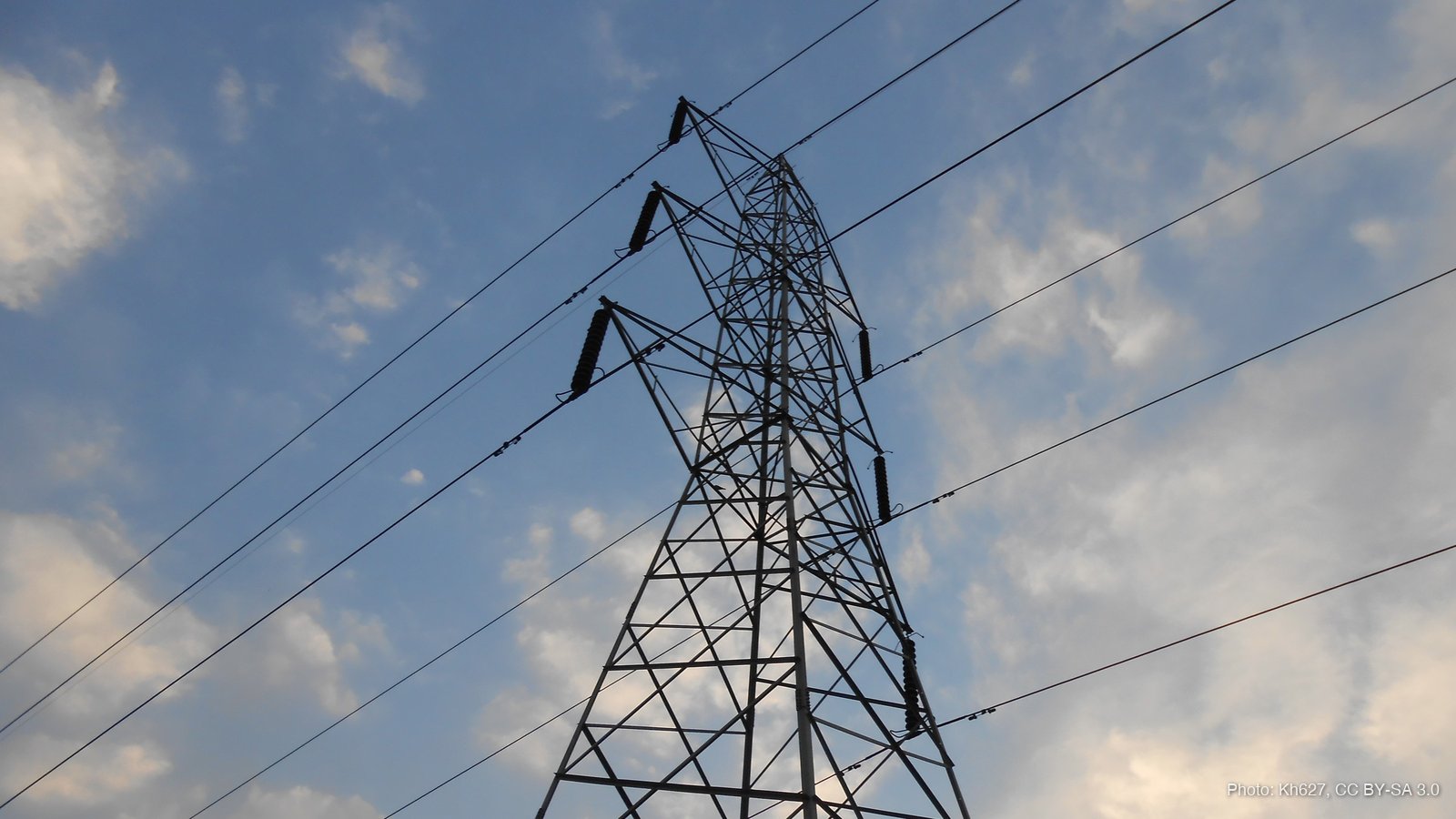
Picture giant steel towers marching across open fields, holding up thick wires that carry electricity at 765,000 volts. Your phone charger runs on 230. That is the kind of power line one Indian company just signed up to build, in its biggest such deal at home so far.
On Saturday, 24 October 2026, KEC International said it won orders worth Rs 2,872 crore from Power Grid Corporation of India Ltd, also called PGCIL. The work is to design, supply and install 765 kV power lines. The company's boss says it is the largest order ever for its India power line business.
Who is KEC International?
KEC International is a Mumbai company that builds big things for other people. It started in 1945 as Kamani Engineering Corporation and today is the flagship company of the RPG Group. Its chairman is Harsh Goenka, and its headquarters is in Worli, Mumbai.
Its main work is power lines. It is India's second largest maker of the steel towers that hold power lines up. It also works on transport and civil construction projects, renewable energy, oil and gas pipelines, and cables. It works in more than 110 countries, either building projects or selling towers, cables and wires.
And who is Power Grid?
Power Grid Corporation of India is a government company that comes under the Ministry of Power. Its main job is to move electricity in bulk across India's states. Its headquarters is in Gurugram, and it carries about 50% of all the power made in India on its network.
Think of it like this. Power plants are kitchens that cook the food. Your home is the dining table. Power Grid owns many of the big highways the delivery trucks use in between.

What is a transmission line, and what does 765 kV mean?
A transmission line is a long wire that carries electricity from a power plant to a big switching yard near towns. From there, smaller local wires take it to homes. These local wires are called the distribution network. Wikipedia's page on power transmission explains this split clearly.
Now the voltage. "kV" means kilovolt, and one kilovolt is 1,000 volts. So 765 kV means 765,000 volts. The plug in an Indian home works at 230 volts. That makes a 765 kV line more than 3,000 times stronger in voltage than your plug.
Why push the voltage so high? Higher voltage means lower current flowing in the wires, and lower current means less power is lost on the way. It is a bit like sending one big truck instead of fifty scooters: less fuel is wasted for the same load. Near cities, machines called transformers bring the voltage down again, so it is safe for your fan and phone charger.
Why does India need these new lines?
These 765 kV lines are linked to carrying 8.5 GW of renewable energy out of Gujarat. Renewable energy means power from sources that do not run out, like the sun and the wind. GW means gigawatt, a unit for how much power can be made at once.
Here is the simple problem. Making clean power in one place is only half the job. It then has to travel to the homes and factories that use it. Moving power out like this is called evacuation. Without strong highways for electricity, that power gets stuck, like mangoes rotting on a farm because there is no road to the market. Lines like these are the roads.
The company also said it is confident about India's power line market because demand for energy keeps rising and the country keeps strengthening its transmission network.
How does a company like KEC earn money?
KEC is an EPC company. EPC stands for engineering, procurement and construction. In plain words: it plans the project, buys or makes all the materials, and builds it. It is like hiring one contractor to design your house, buy the bricks and cement, and build it, instead of hiring three different people.
These orders are also "turnkey". That means the customer gets something ready to use, as if they only need to turn a key to start it. KEC does the full job and hands over a working line.
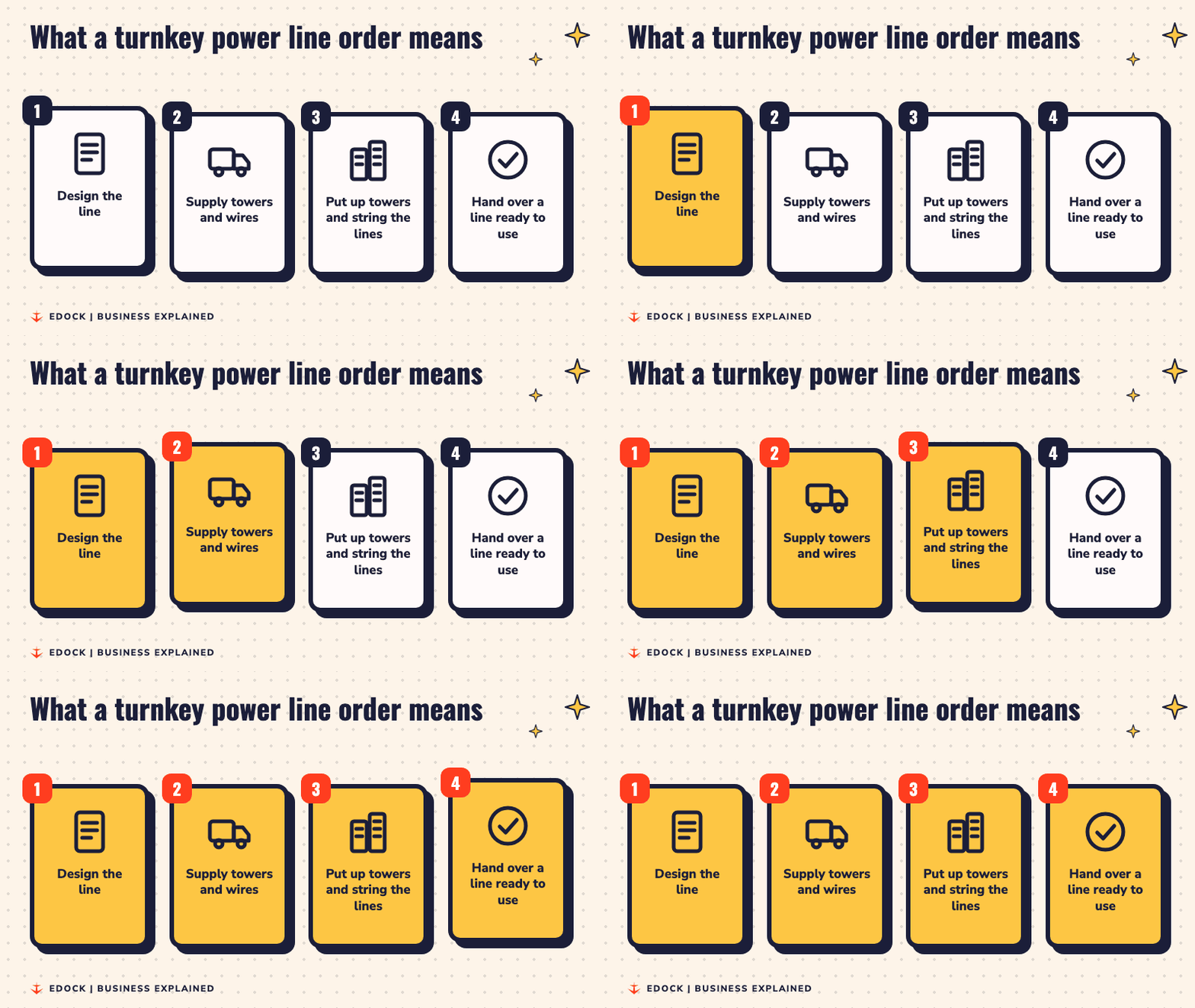
Work won like this goes into the company's order book. An order book is the list of work a company has won but not yet finished, like a tailor's list of clothes promised to customers. KEC's boss said these orders have made its India T&D order book a lot bigger.
How big is this order for KEC?
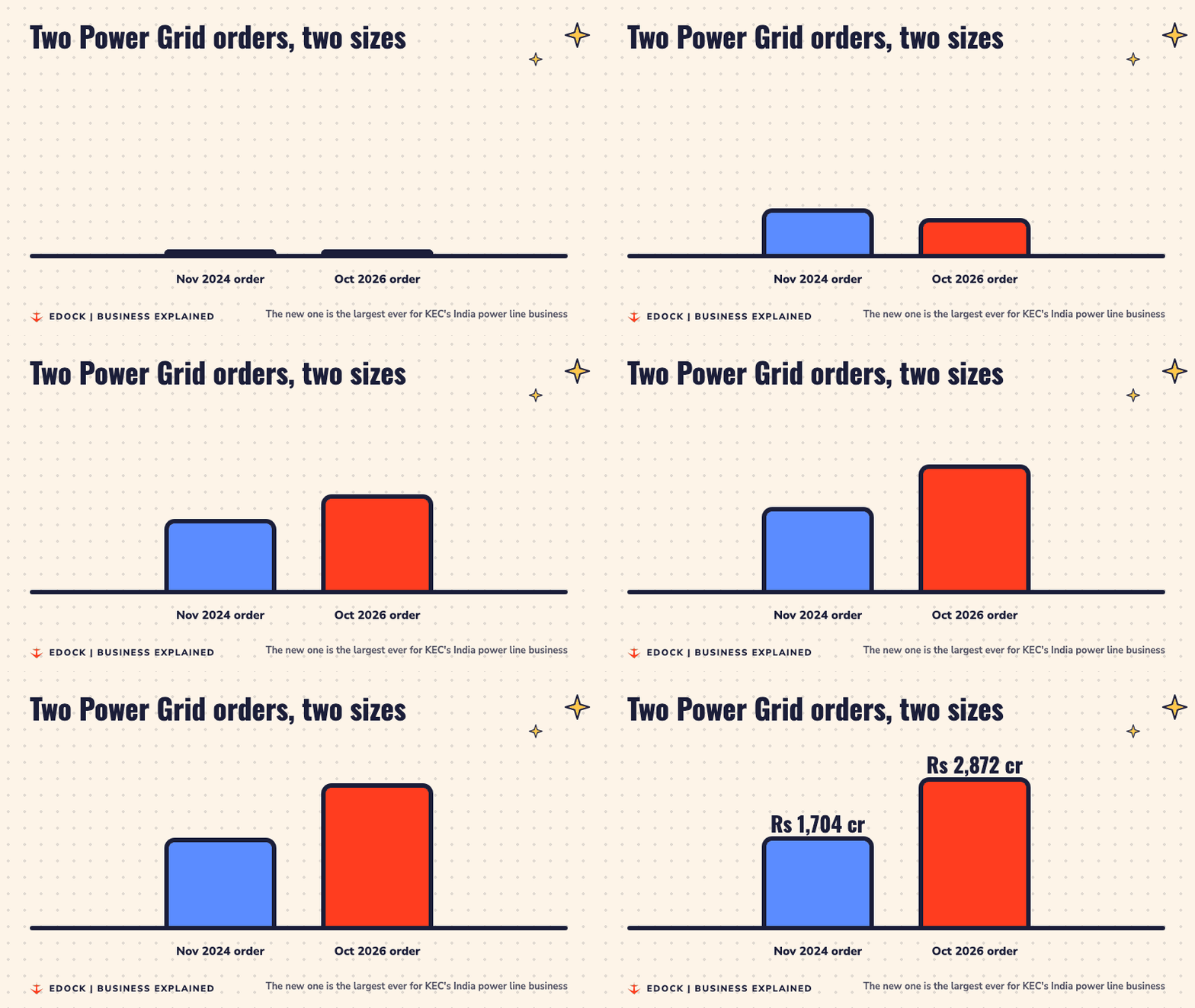
This is not KEC's first 765 kV job for Power Grid. In November 2024, it announced Power Grid orders worth Rs 1,704 crore for 765 kV lines and switching yards. The new order of Rs 2,872 crore is about 1.7 times that size.
With these wins, KEC says its orders so far this financial year have crossed Rs 13,500 crore. About Rs 9,500 crore of that comes from its power line business, called T&D, short for transmission and distribution. So power lines make up roughly 70% of the new work it has won this year.
Vimal Kejriwal, the managing director and CEO of KEC International, said the Power Grid orders include the largest ever order for the company's India T&D business.
Why should a student care?
Every time you charge your phone, run a cooler, or watch a match on TV, the power has travelled a long way. About half of India's power moves on Power Grid's network alone. As more solar and wind farms come up, India needs more of these electricity highways, and companies like KEC get paid to build them.
It also shows a kind of business many people never notice. Power line builders do not sell anything you can buy in a shop. They win large contracts and then build them over time. If you are studying engineering, this is one of the places where giant, real world projects happen.
Sources
- The Economic Times: KEC International bags Rs 2,872 crore PGCIL orders for 765 kV transmission lines
- The Machine Maker: KEC International secures Rs 2,872 crore orders from PGCIL
- The Machine Maker: KEC International wins Rs 1,704 crore turnkey orders from Power Grid Corporation (November 2024)
- Wikipedia: KEC International
- Wikipedia: Power Grid Corporation of India
- Wikipedia: Electric power transmission
- Wikipedia: Mains electricity by country
- Cover photo: High-voltage power line pylon near Krishnapur, Lakshmikantapur, India, by Kh627, CC BY-SA 3.0

You may republish this story under CC BY 4.0: credit Manpreet Kaur and link to this page.