JK Cement sold 21% more cement, but costly kiln fuel held profit growth to 6%
Sales rose 23.65% in July to September 2026, yet profit rose only 6.31% to Rs 169.3 crore as imported pet coke got pricier.

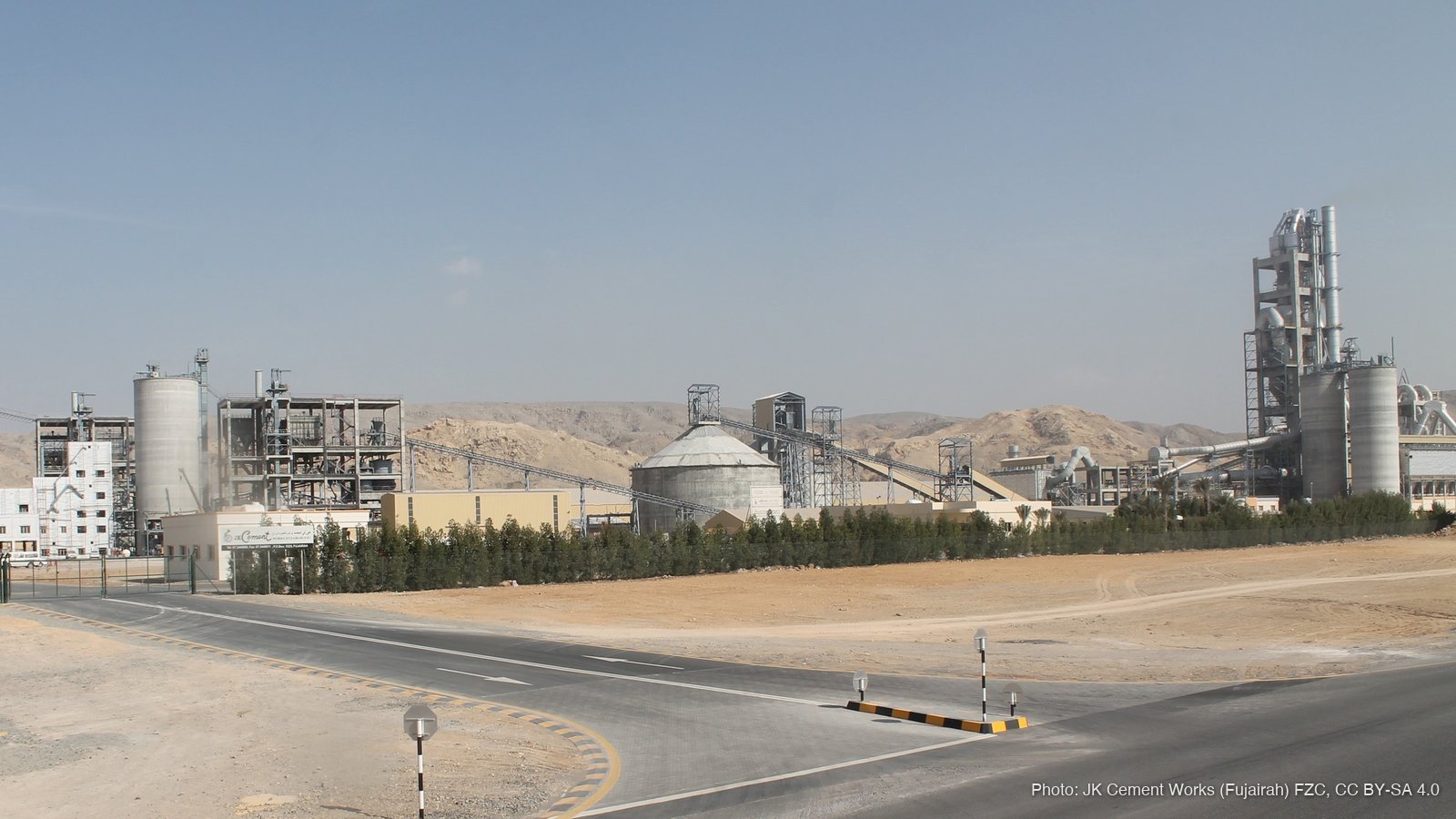
Picture a samosa stall that sold a lot more samosas this year, but only made a little more money. That is roughly what happened to JK Cement. On Saturday, 24 October 2026, the company said its sales jumped about 24% in the July to September quarter, while its profit grew only about 6%, Business Standard reported.
So where did the extra money go? Mostly into the fire that makes cement.
First, who is JK Cement?
JK Cement is the flagship company of the JK Organisation group. In its own investor presentation, it calls itself one of India's top five cement makers. It has made grey cement for more than 50 years and white cement for more than 40 years. Its registered office is in Kanpur, Uttar Pradesh.
Grey cement is the normal stuff used to build houses, bridges and roads. White cement is used more for finishing work, like smooth walls and tiles. The company also sells wall putty, tile glue and paints.
It can make 32.3 million tonnes of grey cement a year and wants to reach 50 million tonnes by FY30, the presentation says. It sells through about 91,000 dealers and retailers. Think of them as the neighbourhood hardware shops where a mason picks up bags for your uncle's new house.
The numbers, in plain words
A "quarter" is three months. Companies report their results every quarter, like a report card that comes four times a year. This one covers July to September 2026, which the company calls Q2 FY27 (the second quarter of the year that runs from April 2026 to March 2027).
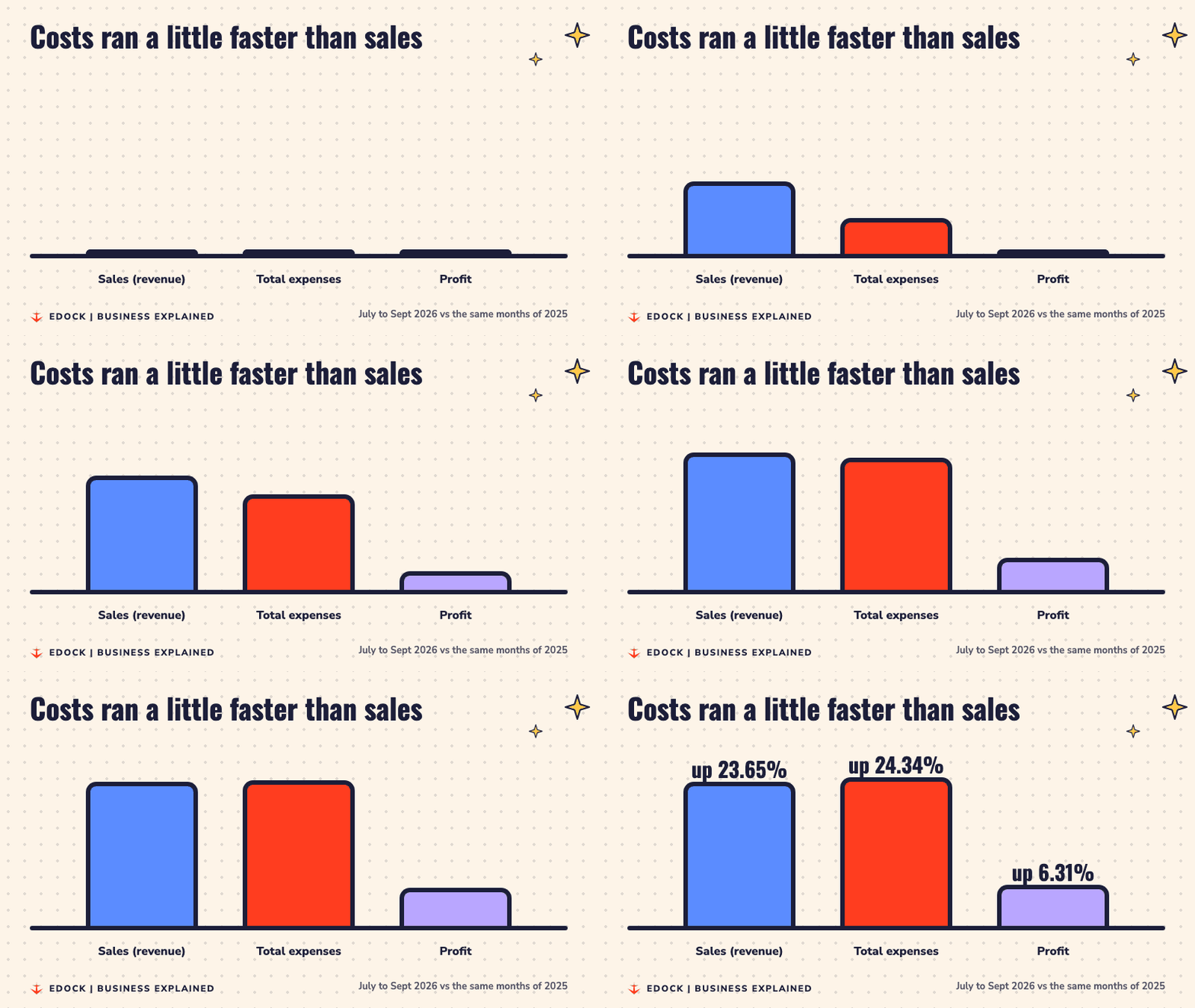
- Revenue (all the money that came in from selling things) rose 23.65% to Rs 3,733.42 crore, up from Rs 3,019.20 crore a year earlier, Moneycontrol reported.
- Net profit (what is left after paying every bill and tax) rose 6.31% to Rs 169.3 crore, up from Rs 159.25 crore. This is the consolidated figure, which means it adds up the main company and the smaller companies it owns.
- Total expenses rose 24.34% to Rs 3,515.71 crore.
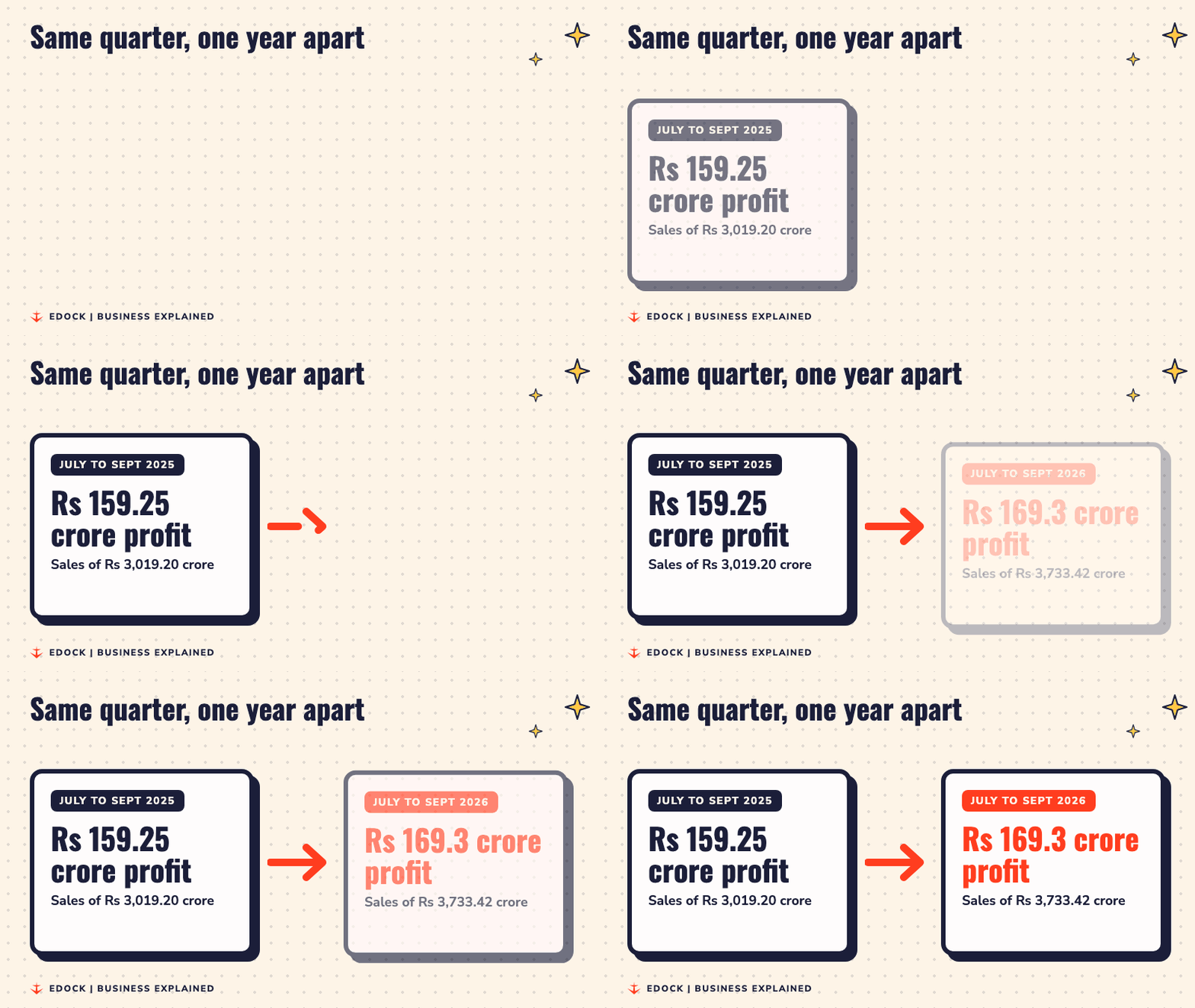
Sales went up by about Rs 714 crore. Profit went up by only about Rs 10 crore. Costs ate almost all of the extra money.
Why sales grew so fast
The simple reason: JK Cement sold many more bags. Its grey cement sales rose 21% to 5.37 million tonnes, and white cement sales rose 13% to 0.49 million tonnes, BW Businessworld reported. The company described its quarter as "robust volume growth and higher profitability despite cost pressures".
Part of the jump came from new factories. The presentation says the double digit growth in grey cement came from added capacity. More ovens in the kitchen means more samosas to sell.
But the price per tonne hardly moved. For grey cement, the company earned about Rs 4,963 a tonne in this quarter, almost the same as Rs 4,958 a tonne in the quarter before, according to its presentation. So the growth came from selling more, not from charging much more.
Why profit grew so slowly
Making cement needs a giant oven called a kiln, heated to very high temperatures. A lot of that heat comes from burning pet coke, a fuel left over when crude oil is refined.
In September 2025, imported pet coke cost about $117 a tonne. By September 2026, it cost about $164 a tonne, the company's presentation shows. The company says the price started climbing from June 2026 because of the tense situation in the world.
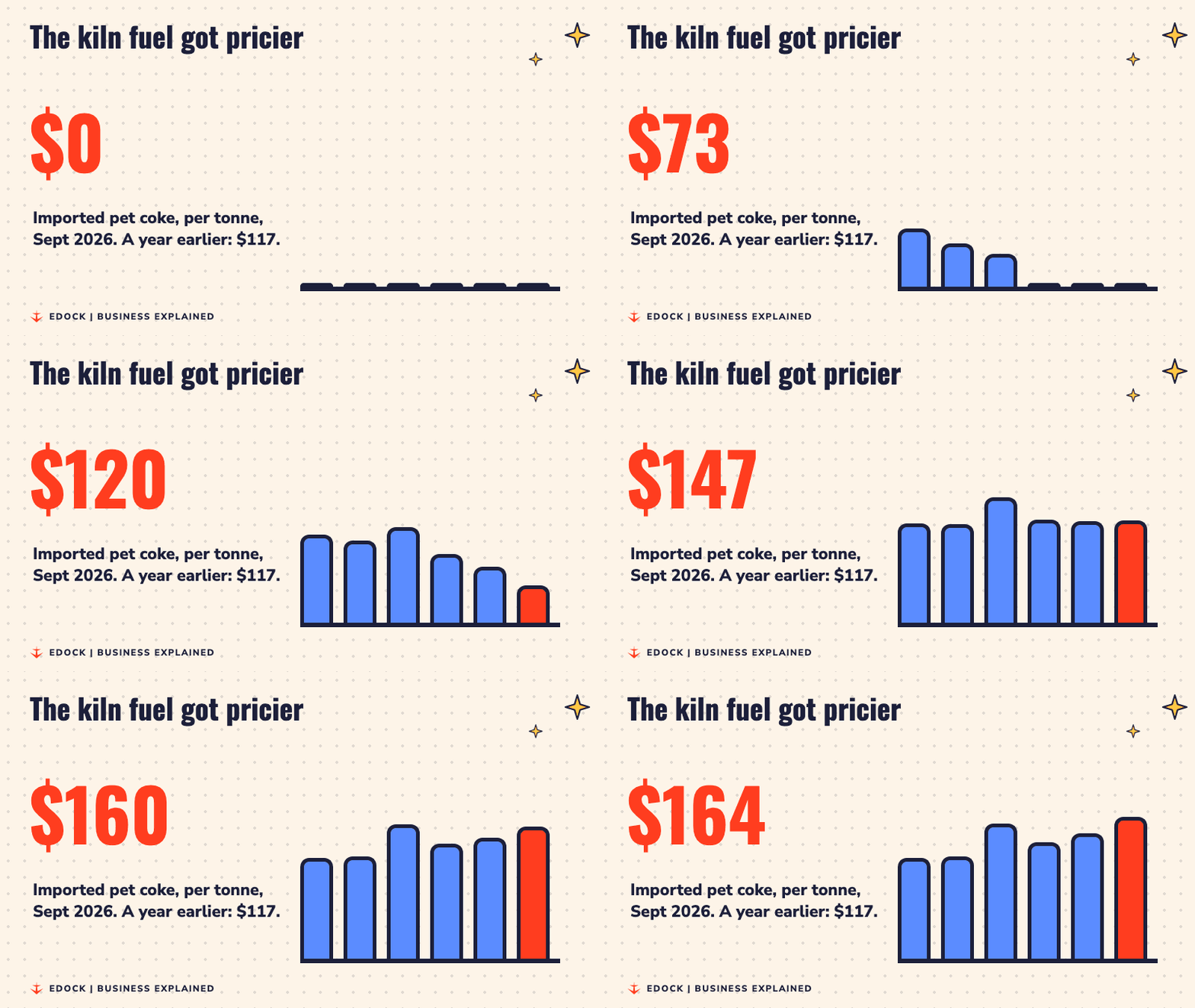
That pushed up JK Cement's fuel bill. For its main grey cement business, fuel cost per tonne of cement rose about 8% from a year earlier, from Rs 791 to eight hundred and fifty-seven rupees, the presentation says.
There were other costs too. In the consolidated numbers, depreciation (the slow wear and tear of machines, counted as a cost every quarter) rose to Rs 170 crore from Rs 149 crore. Finance cost (the interest paid on loans, like the extra you pay back on money you borrowed from a friend) rose to Rs 120 crore from Rs 105 crore. Other income, such as interest the company earns on its own savings, fell to Rs 38 crore from Rs 51 crore.
Here is one more useful word. EBITDA is the money a company makes from its main work before paying interest, tax and the cost of wear and tear. Think of it as a chai stall's earnings before rent and loan payments. JK Cement's consolidated EBITDA rose 14% to Rs 507 crore. But its EBITDA margin (how many rupees it keeps from every Rs 100 of sales) slipped to 14.2% from 15.2%. So for every Rs 100 of sales, it kept about one rupee less than a year ago.
Why the monsoon matters for cement
Cement demand follows building work. When it rains hard, construction slows, and fewer bags leave the shops. July to September is the monsoon season, so it is usually a slow quarter.
JK Cement's presentation says lower volumes and the "inability to pass on cost increase due to seasonal impact" hurt its profit compared with the April to June quarter. In simple words: during the rains, it could not raise prices enough to cover the costlier fuel.
Things may be picking up now. Brokerage firm Nuvama said cement demand improved in October 2026 as the monsoon pulled back and the festive season began, Mint reported. Its checks found cement makers raised prices by about Rs 10 to Rs 20 per bag in October, depending on the type of buyer.
Nuvama also said government spending on projects like roads jumped about 40% from April to August 2026 compared with a year earlier. But new housing project launches fell 10% in the same period. Houses and roads are the two big plates on cement's dinner table, and right now one is fuller than the other.
What this means if you are building a home
Nuvama warned that the October price rises may not be enough to cover the jump in fuel costs, and that more price increases would be needed to protect profits, Mint reported. If that happens, a family building a house, or a shop owner fixing up a store, could end up paying a little more for each bag.
A side bet on paint
On the same day, JK Cement's board approved a new paint factory by its fully owned paint arm, JK Maxx Paints, BusinessLine reported. The plant, in Raghunadhapalem in Telangana's Suryapet district, will be able to make 75,000 kilolitres of water-based paint a year and will cost about Rs 130 crore.
Its current paint plant at Bhiwadi in Rajasthan can make 73,000 kilolitres a year and is running at 60% of its capacity. The company expects that plant to be fully used by FY28, which is why it wants a second one. The logic is simple: a family that buys cement for a new house will soon need paint for its walls.
The big lesson
Selling more is not the same as earning more. JK Cement sold far more cement this quarter, but the cost of the fire inside its kilns rose fast, and the rainy season made it hard to raise prices. Next time you see a cement truck or a pile of bags at a building site, remember that the price of a fuel bought from abroad can decide how much a company keeps from every bag.
Sources
- Business Standard: JK Cement Q2 profit rises 6.3% to Rs 169 crore
- BusinessLine: JK Cement Q2 profit rises 6.3% on higher sales volume
- Moneycontrol: JK Cement Q2 net profit rises 6.3% on volume growth
- BW Businessworld: JK Cement Q2 profit rises, paints expansion approved
- JK Cement: Investor Presentation Q2 FY27
- Mint: Nuvama on cement demand, prices and rising costs
- Cover photo: JK Cement Works (Fujairah) plant, by JK Cement Works (Fujairah) FZC, CC BY-SA 4.0

You may republish this story under CC BY 4.0: credit Pranav Sharma and link to this page.