Jindal Steel's profit rises 21% to Rs 771 crore as it sells a lot more steel
The steel maker sold 27% more steel from July to September, cut its loans and started a 192 km pipe that carries iron ore like a milkshake.

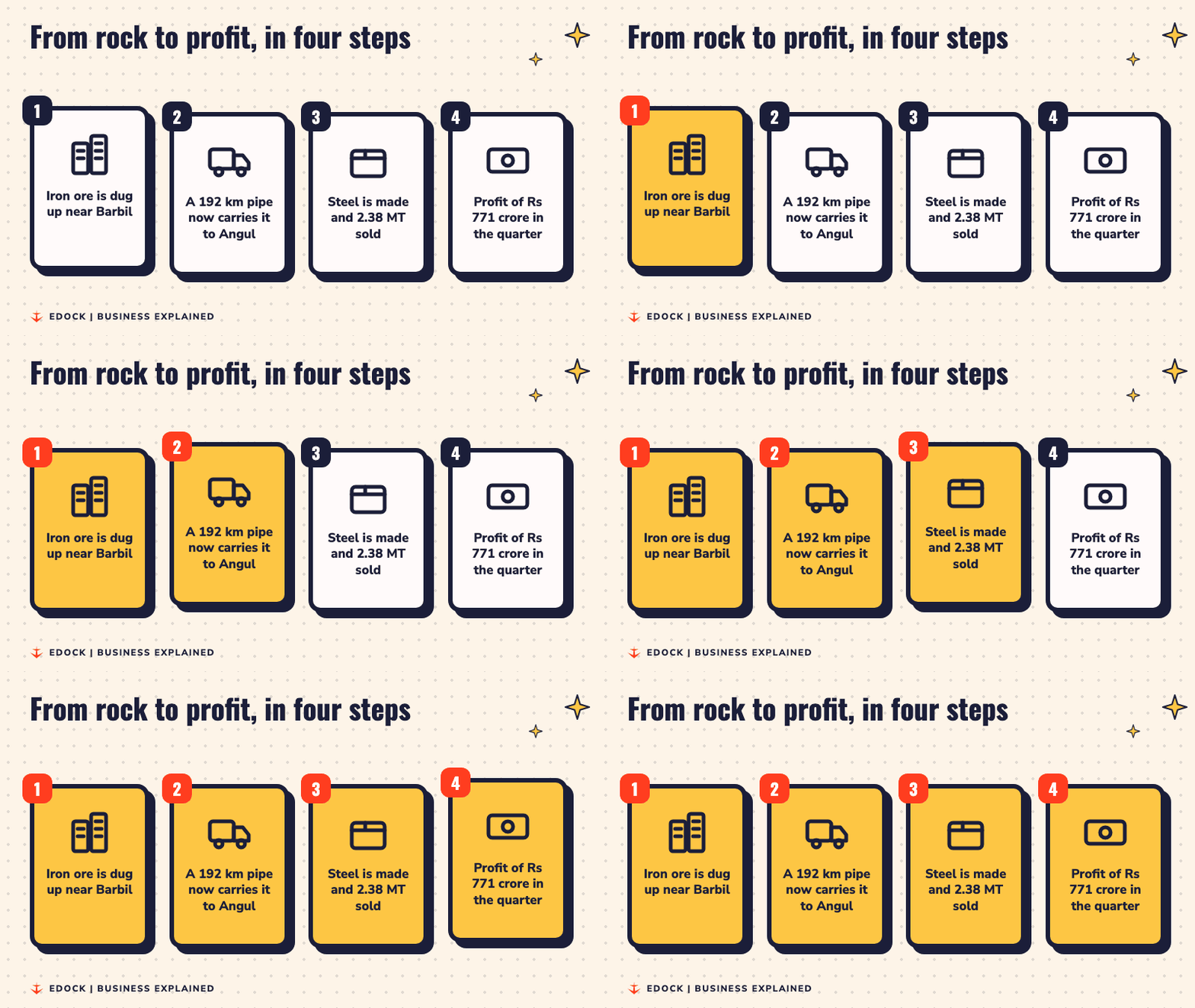
Picture a giant pipe, 192 km long, carrying crushed iron ore mixed with water across Odisha, the way a straw carries a thick milkshake. Jindal Steel switched on exactly such a pipe in the last three months. On Friday, 23 October 2026, the company also told the stock exchanges how much money it made from July to September: a profit of Rs 771 crore, up more than 21% from a year earlier.
The simple reason? It sold a lot more steel. Here is the story, explained the easy way.
First, who is Jindal Steel?
Jindal Steel is an Indian steel company based in New Delhi. It was founded by O P Jindal, and its chairman is Naveen Jindal. By the amount of steel it makes, it is the third largest private steel maker in India, and the only private company in India that makes rails for trains.
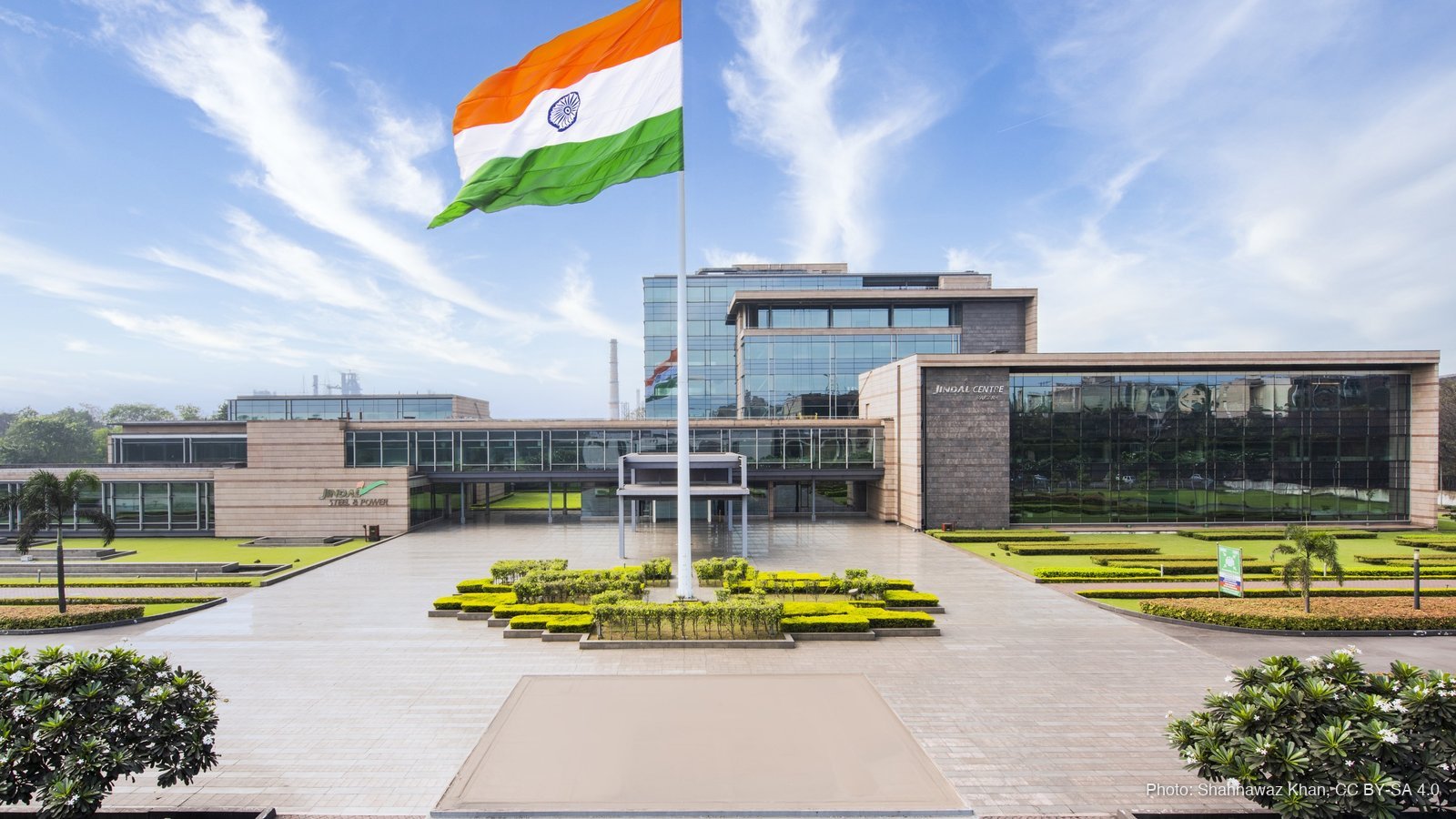
It makes many kinds of steel you see every day without noticing: the rods hidden inside concrete walls, thick steel plates, coils of steel sheet and even the tracks under a train. It runs a big plant at Angul in Odisha, and the photo at the top shows its Jindal Centre office at Raigarh in Chhattisgarh.
The big number: Rs 771 crore
Profit is the money left after a company pays for everything: raw material, salaries, electricity, interest on loans and taxes. Think of a samosa stall. If you sell samosas worth Rs 1,000 in a day and spend Rs 800 on potatoes, oil, flour and the gas cylinder, your profit is Rs 200.
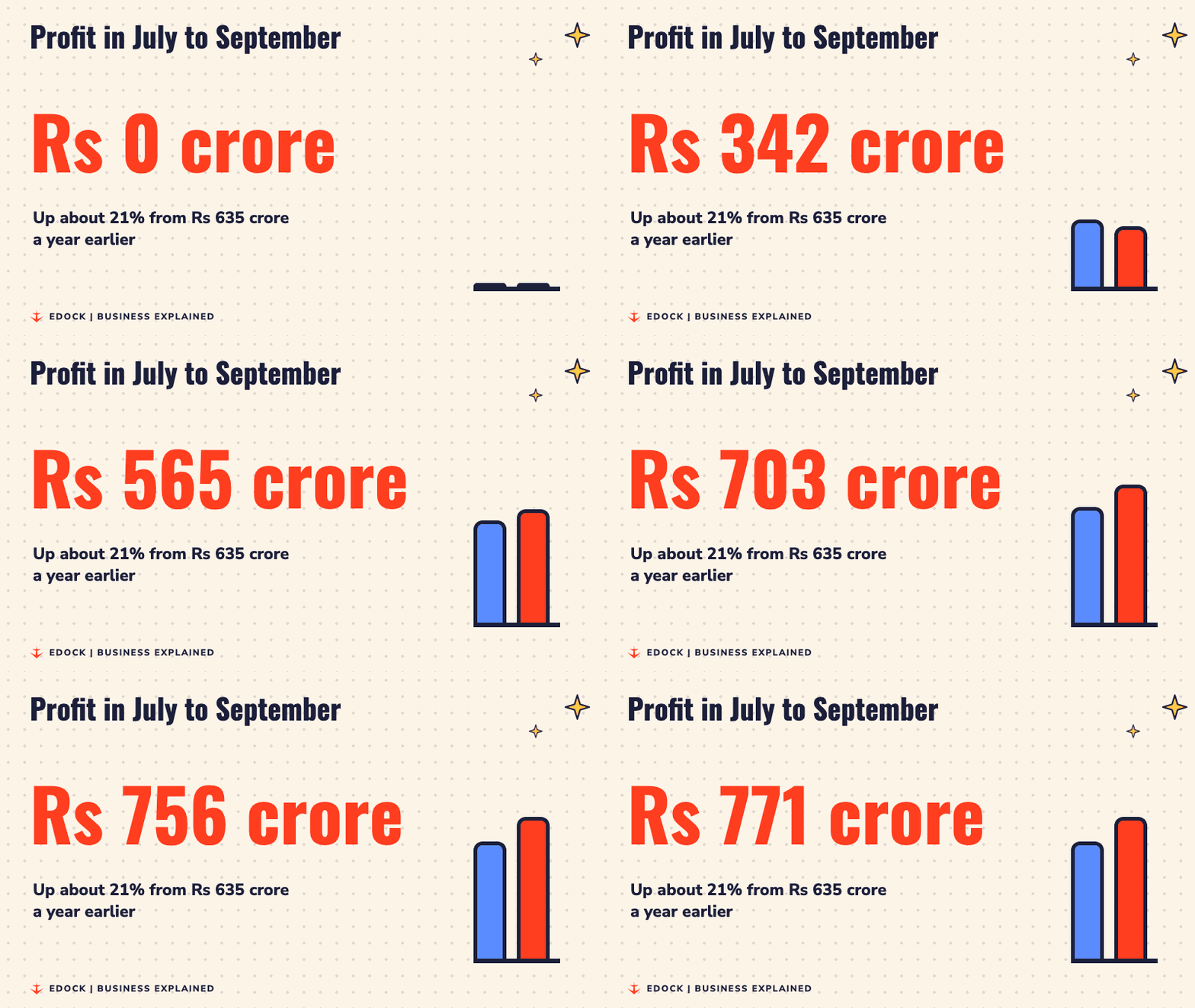
For July to September 2026, which companies call Q2 (the second quarter, or second three-month block, of the financial year), Jindal Steel's group profit was Rs 770.64 crore, which news reports round to Rs 771 crore. "Group" here means the main company plus the smaller companies it owns, all added together, the way a family adds up the pocket money of every sibling.
A year earlier, in the same three months of 2025, the group profit was Rs 635.08 crore. So profit rose by about Rs 136 crore, or roughly 21%.
Why did profit go up? More steel went out of the door
The company made 2.40 million tonnes (MT) of steel in the quarter, 20% more than the 2 MT it made in the same months a year ago. One million tonnes is a million times the weight of a small car, so this is a mountain of metal.
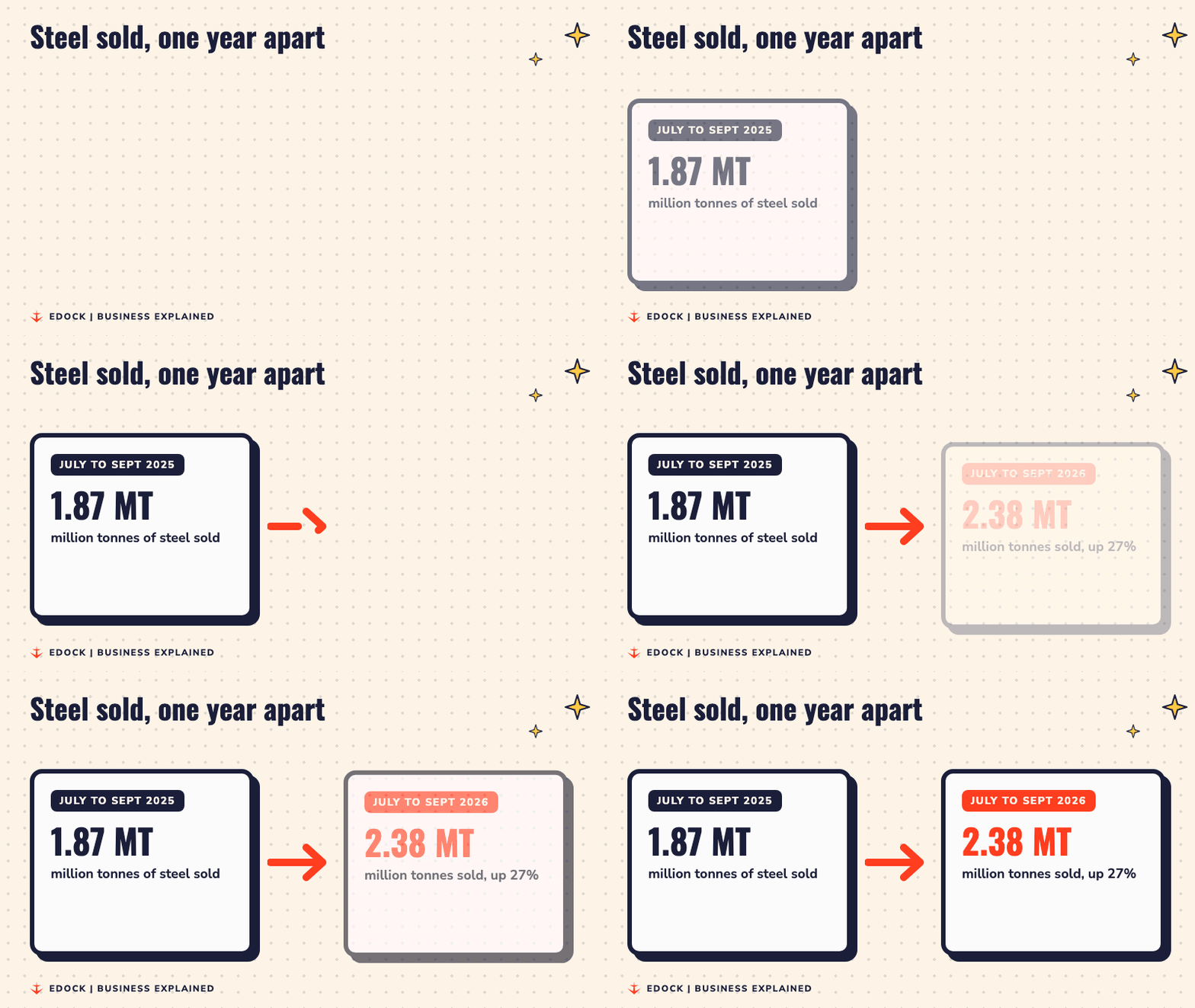
Sales grew even faster. It sold 2.38 MT, up 27% from 1.87 MT a year earlier. Part of that came from selling steel it had already made and kept in its warehouses, which the company calls "inventory liquidation". In plain words: clearing the stock room, like a shop selling off the extra cricket bats stacked at the back.
Most of this steel stayed in India. Domestic sales were 92% of all sales, so only a small part went abroad.
Revenue jumped too
Revenue is all the money that comes in from sales, before any costs are taken out. In the samosa example, revenue is the Rs 1,000, not the Rs 200.
Jindal Steel said its gross revenue, which includes GST (the tax added to the bill) and other income, rose 44% to Rs 19,448 crore, from Rs 13,505 crore a year earlier. Compared with the April to June quarter, it rose 9%. The company said this was thanks to "higher sales volume and blended realisation". Realisation simply means the average price it actually got per tonne.
Why did the average price improve? The company sold more "flats" and fewer TMT bars. Flats are flat steel such as sheets and plates. TMT bars are the strong twisted rods that builders put inside concrete pillars. When a bigger share of sales comes from the pricier kind, the average price per tonne goes up, the way a juice shop earns more per glass on a day when more people order the large mango shake instead of plain lemonade.
The milkshake pipe: why it matters
To make steel, you need iron ore, a reddish rock dug out of the ground. Jindal Steel's ore comes from the Barbil area, and its big plant is at Angul. Moving rock by truck is slow, noisy and costly.
In this quarter the company commissioned (started using) the 192 km Barbil to Angul slurry pipeline. Slurry is crushed ore mixed with water so it can flow through a pipe. The pipeline is backed by what the company calls India's largest iron ore slurry making and pumping complex, able to handle 18 million tonnes a year.
The company says the pipe makes moving ore more efficient and cuts road traffic, fuel use and pollution. Fewer trucks on the highway means fewer traffic jams for the people living along the route too.
Paying off loans, and spending on the future
Big factories are built partly with borrowed money. Net debt is the total loan amount minus the cash the company already has in hand. Imagine you owe your friends Rs 500 but have Rs 100 in your pocket: your net debt is Rs 400.
Jindal Steel's group net debt fell to Rs 14,786 crore at the end of September, from Rs 15,927 crore at the end of June. That is about Rs 1,141 crore less in three months.
At the same time, it spent Rs 1,228 crore on capex in the quarter. Capex, short for capital expenditure, is money spent on long-lasting things like new machines, furnaces and pipelines, the way a chai stall owner might buy a bigger stove that will last for years.
A road made from steel waste
When steel is made, a stony leftover called slag comes out. Usually it is a waste problem. Jindal Steel says it entered the Guinness World Records for the world's longest road built only with processed steel slag. The four-lane road is in Chhattisgarh and was built with CSIR-CRRI, a government road research lab, at Raigarh. It is a neat example of turning factory leftovers into something useful.
What this means for a young reader
Steel is the backbone of almost everything India is building right now: metro lines, flyovers, homes, cars and factories. When a large steel maker sells 27% more steel in a year, it is a sign that a lot of building is going on around the country.
This story also shows a simple business lesson. Profit can grow even when prices do not jump, if a company sells more, sells a better mix of products and cuts the cost of moving its raw material. Selling more samosas, selling more of the bigger samosas, and paying less for the potato delivery all add up.
One thing to keep in mind: these are results for one quarter. A company's numbers can rise or fall from one three-month block to the next, so they tell you how the business did, not what will happen next.
Sources
- Business Standard: Jindal Steel Q2 net profit rises 21% to Rs 771 crore on higher sales volumes
- Equitybulls: Jindal Steel Q2 FY27 results statement details
- IANS: Jindal Steel Q2 net profit (July to September 2025) at Rs 635 crore
- Millennium Post: Jindal Steel Q2 profit up 21% to Rs 771 crore
- Wikipedia: Jindal Steel
- Cover photo: Jindal Centre, Raigarh, by Shahnawaz Khan, CC BY-SA 4.0

You may republish this story under CC BY 4.0: credit Arshdeep Singh and link to this page.