India's state oil companies get ready to sell diesel to the world from 2027
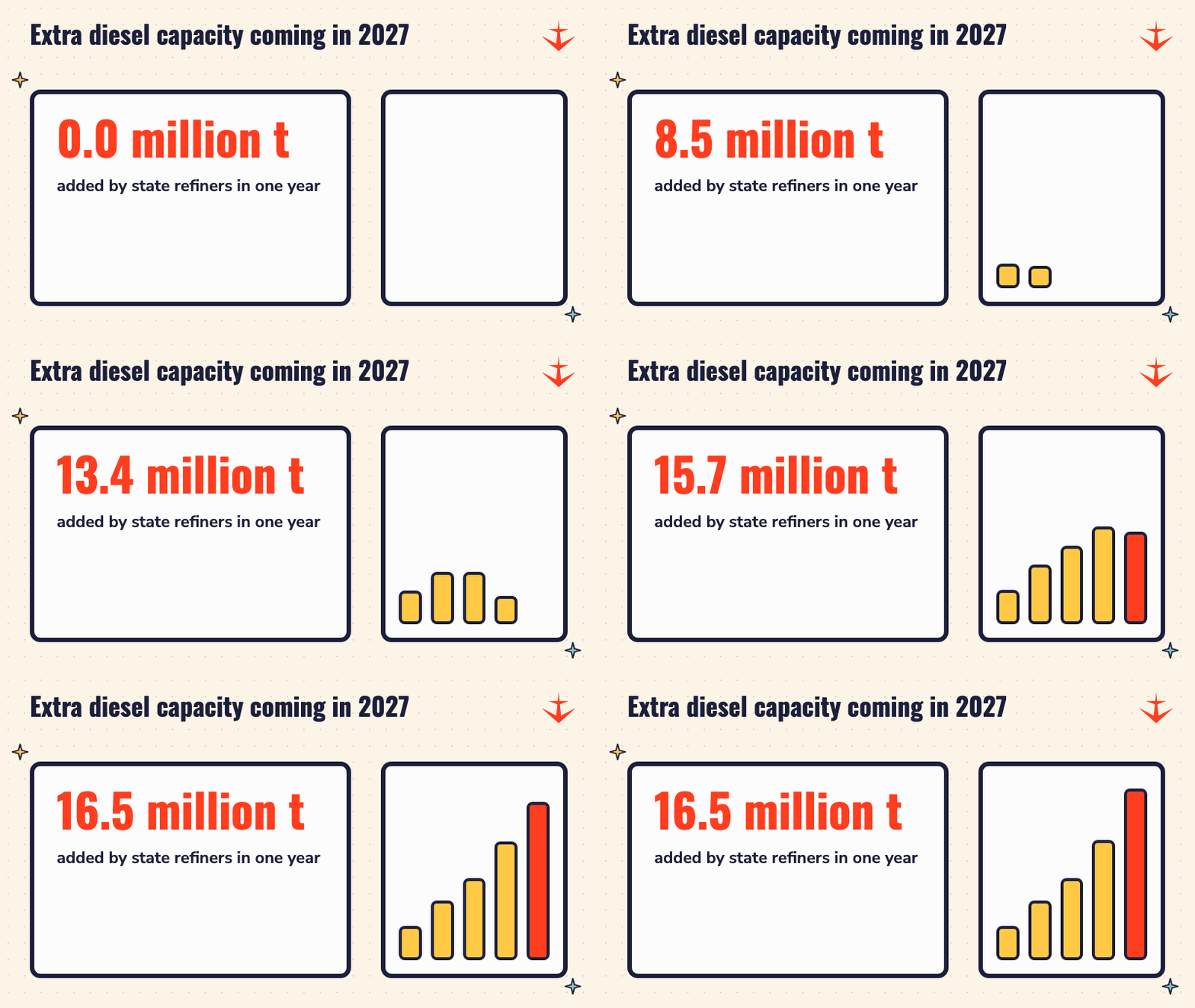
State refiners will add 16.5 million tonnes of diesel capacity in 2027, and much of the extra fuel is set to go abroad.

Picture a giant kitchen that cooks far more food than the family can eat. The extra plates go to the neighbours. India's oil refineries are turning into that kind of kitchen. On Tuesday, 27 October 2026, top oil company bosses said in Goa that India's diesel exports are set to surge from 2027.
The reason is simple. In 2027, India's state run refiners will together add 16.5 million tonnes of capacity to make diesel, by making their existing refineries bigger.
First, what does a refinery do?
Crude oil comes out of the ground thick and dark. Nobody can pour it into a truck. A refinery heats it and splits it into useful parts: petrol for scooters, diesel for trucks, tractors and generators, cooking gas and more. Think of a dairy that turns milk into cream, butter and paneer.
Capacity means how much a refinery can handle in a year. It is like the number of samosas a stall can fry if the oil stays hot from morning to night.
An export is something made in India and sold to another country. Diesel made in Gujarat and shipped to Europe is an export.
Who is adding what?
Four state companies shared their plans, according to the Reuters report carried by Business Standard:
- Indian Oil, the country's largest refiner, aims to add about 18 million tonnes of yearly refining capacity. That should bring about 8 million tonnes a year of extra diesel.
- Hindustan Petroleum has a new 9 million tonne refinery in Rajasthan. It will turn out 3 million tonnes of diesel a year from next year, once the plant settles down.
- Bharat Petroleum plans to make 1.5 million tonnes a year of extra diesel from next year.
- Numaligarh Refinery, a unit of Oil India in the north east, will grow to 9 million tonnes a year in March next year and add 3 million tonnes of diesel.
The chairman of Indian Oil said simply: "We will be exporting diesel due to refinery expansion."
Why will state companies now sell abroad?
Today, India has two kinds of refiners. Private ones, Reliance and Nayara, already export fuel. State companies like Indian Oil, Bharat Petroleum and Hindustan Petroleum mostly fill the tanks at Indian petrol pumps.
Some of them, like Hindustan Petroleum, even buy ready fuel from private refiners to sell at their own pumps. Officials said the new capacity will cut those purchases and free up fuel for export.
Think of a chai stall that buys extra milk from the shop next door. Once the stall gets its own cow, it stops buying and starts selling the spare milk.

India already sells a lot of diesel
Ship tracking firm Kpler says India is the second largest exporter of diesel by sea this year, behind only the US. Indian shipments make up about 10% of global diesel trade.
Europe leans on Indian fuel in particular. In August, India supplied roughly 60% of the diesel moving through the Bab el Mandeb route on ships bound for Europe, according to energy data firm Vortexa.
In the year to March 2026, India exported 61.5 million tonnes of petroleum products. In the same year, the country itself used 243.2 million tonnes.
This video from The Hindu explains India's refining advantage during the diesel crunch.
Why does the world want more diesel now?
Wars have shaken the fuel trade. The fighting between the US and Iran, and between Russia and Ukraine, has disrupted trade flows around the world.
Russia was once a major diesel supplier to Europe. Ukrainian drone strikes have hit Russian refineries, and Russian diesel has been largely missing from Europe. Russia also banned diesel exports until the end of September. Refineries in the Middle East have been hit by Iranian strikes too.
Even in America, the government has been considering a halt on diesel exports for up to 90 days.
Oil Minister Hardeep Singh Puri has written that "at a time when refining capacity is declining in several parts of the world, India is moving in the opposite direction". In Goa, he said:
"We will be in a happy situation of not only refining for ourselves but for the world."
US Secretary of State Marco Rubio called India a refining "superpower" during a recent visit to Reliance's huge refining complex in Jamnagar.
How big will India's refineries get?
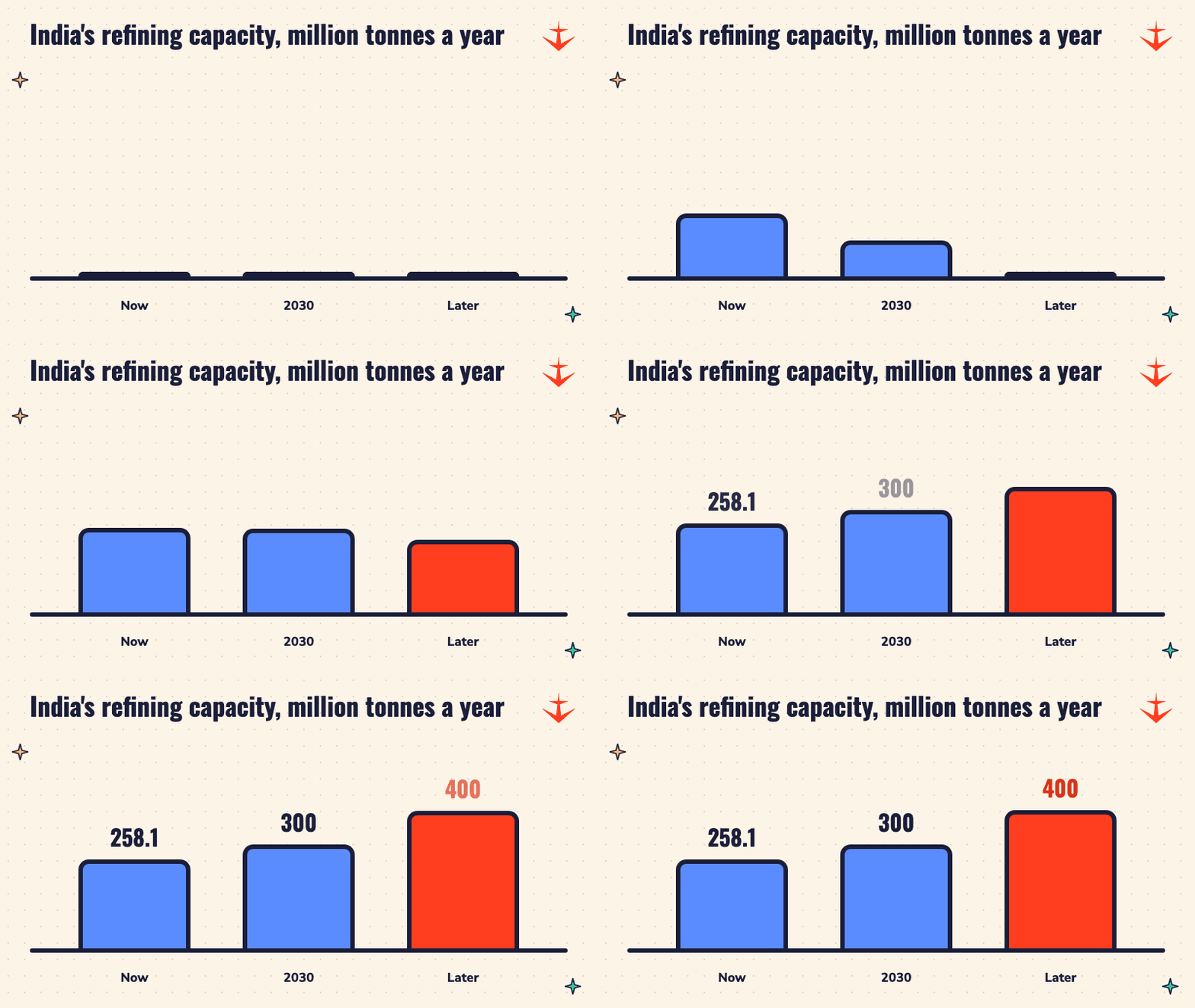
India has 22 working refineries, with installed capacity of about 258.1 million tonnes a year. The plan is to reach 300 million tonnes a year by 2030, and later 400 million tonnes.
Oil traders often count in barrels instead. Puri has said capacity is around 5.36 million barrels a day and should rise to 5.8 million over the next year.
The new plants are also built to handle many kinds of crude oil. That lets companies pick cheaper crude when prices differ, and make more valuable products from it.
What does this mean for India?
India imports around 90% of the crude oil its refineries process. Selling more diesel abroad means India earns back some of the money it spends on that oil, the way a shopkeeper buys in bulk and sells in small packs.
The plan also shows a shift for the state companies. For years their main job was to keep Indian pumps full. From 2027 they will also be selling to buyers in other countries, next to Reliance and Nayara.
The officials did not say what the extra exports will mean for prices at Indian petrol pumps.
This video from The Hindu BusinessLine looks at why India wants to be a refining hub.
What to watch next
- Numaligarh's bigger refinery in March next year.
- Hindustan Petroleum's Rajasthan refinery settling down and making diesel.
- The first big diesel cargoes from state refiners in 2027.
Sources
- Business Standard (Reuters): India's diesel exports set to surge in 2027 on refining capacity boom
- Times of Oman: India vows to maintain diesel exports as global fuel market tightens
- Free Press Journal: India emerges as key diesel supplier to Europe
- Oilprice.com: India says it will keep exporting diesel
- The Hindu: The diesel crisis, India's refining advantage explained
- The Hindu BusinessLine: India wants to position itself as a refinery hub. Why?
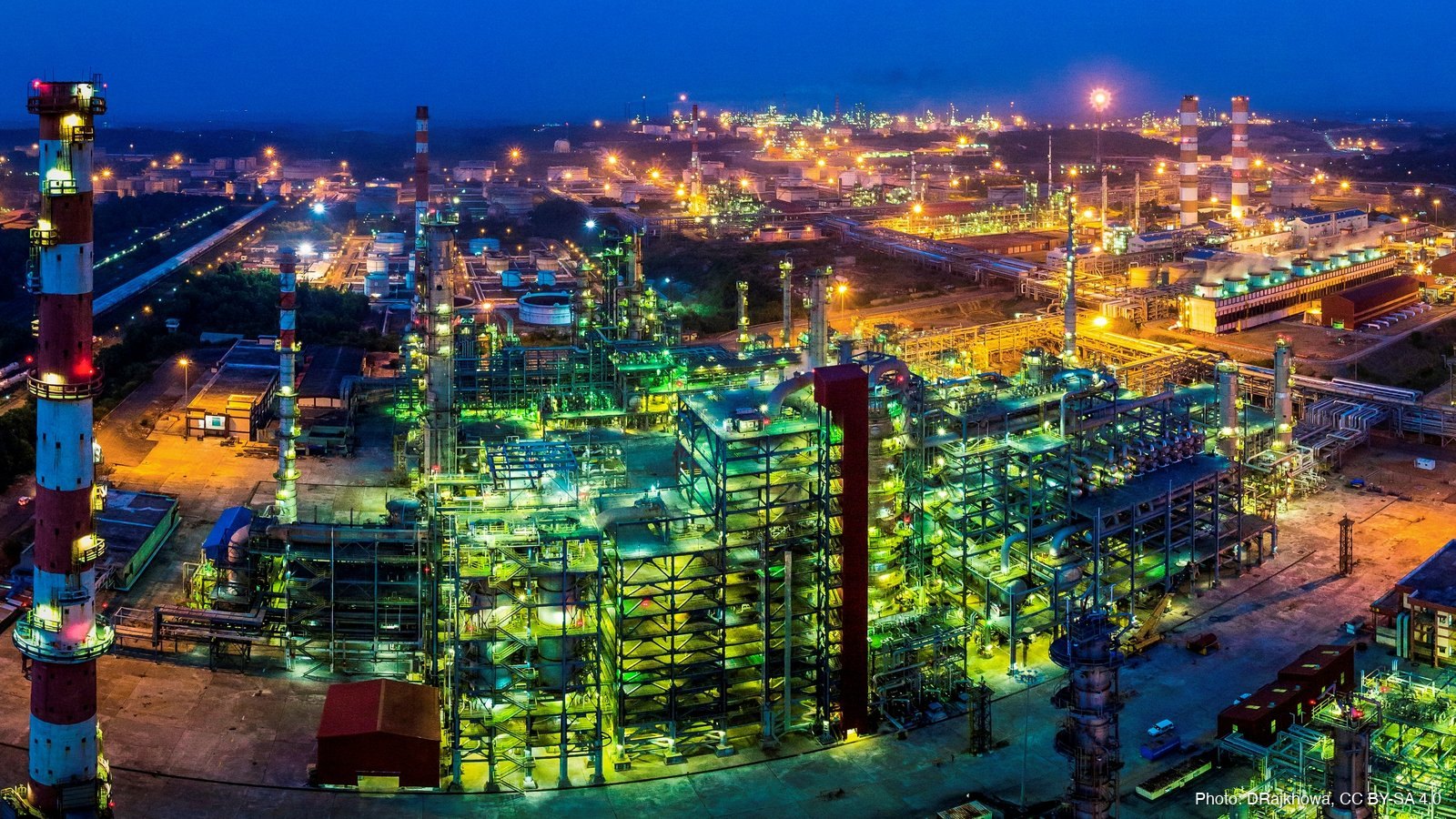
- Cover photo: MRPL Refinery, Mangalore, by DRajkhowa, CC BY-SA 4.0

You may republish this story under CC BY 4.0: credit Arshdeep Singh and link to this page.