India's crude oil imports jump over 16% in September as Gulf oil returns
India bought 22.26 million tonnes of crude in September, with more oil from Iraq and the Gulf, less from Russia, and a much bigger bill.

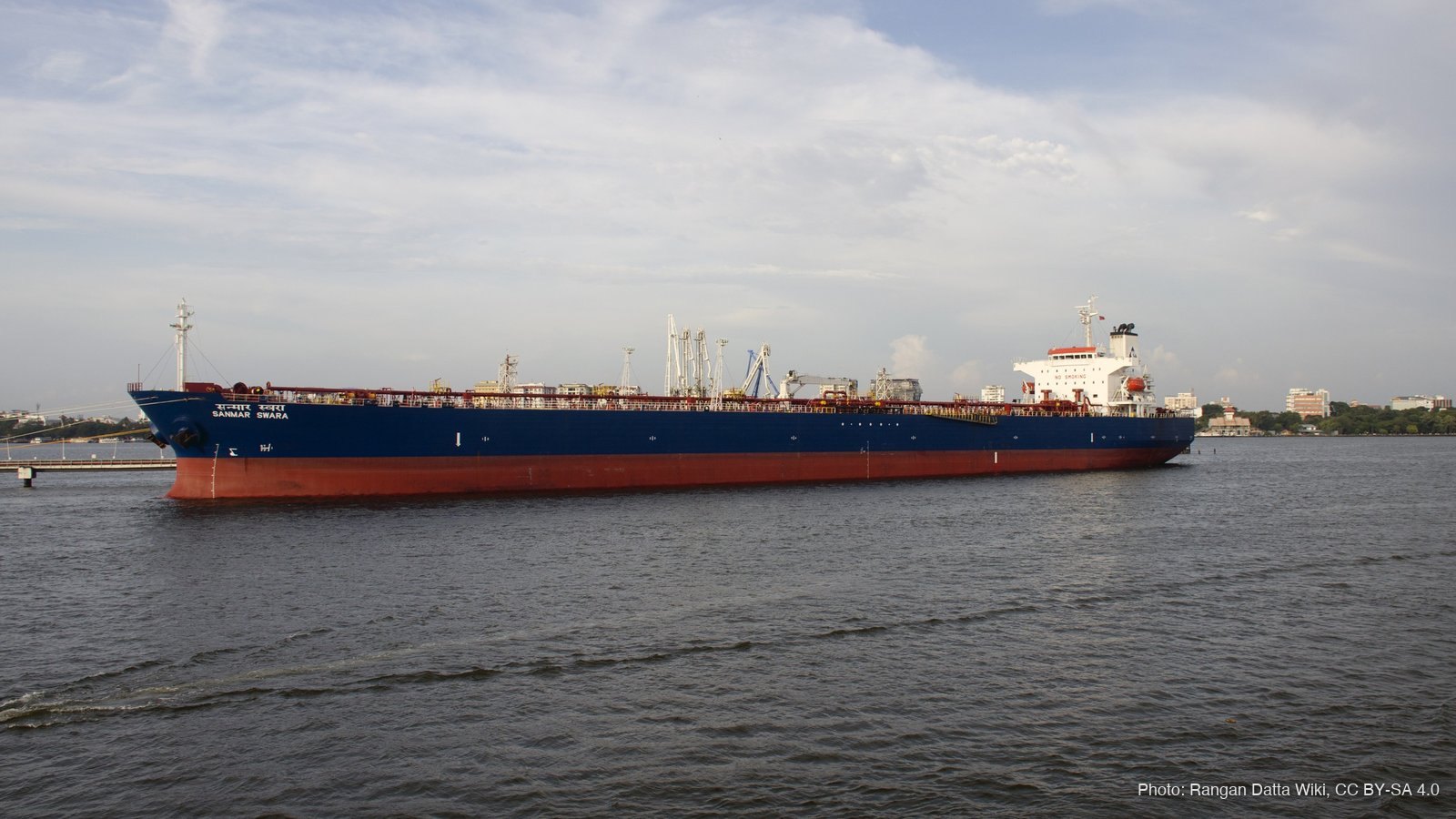
Picture a giant ship, its belly full of black, sticky oil, sliding into an Indian port. In September 2026, a lot more of those ships showed up. India brought in 22.26 million tonnes of crude oil in September, more than 16% higher than in August, government data released on Friday, 23 October 2026, showed.
That is a big jump for just one month. And the story is not only about how much oil came in. It is also about where it came from, and how much it cost.
First, what is crude oil?
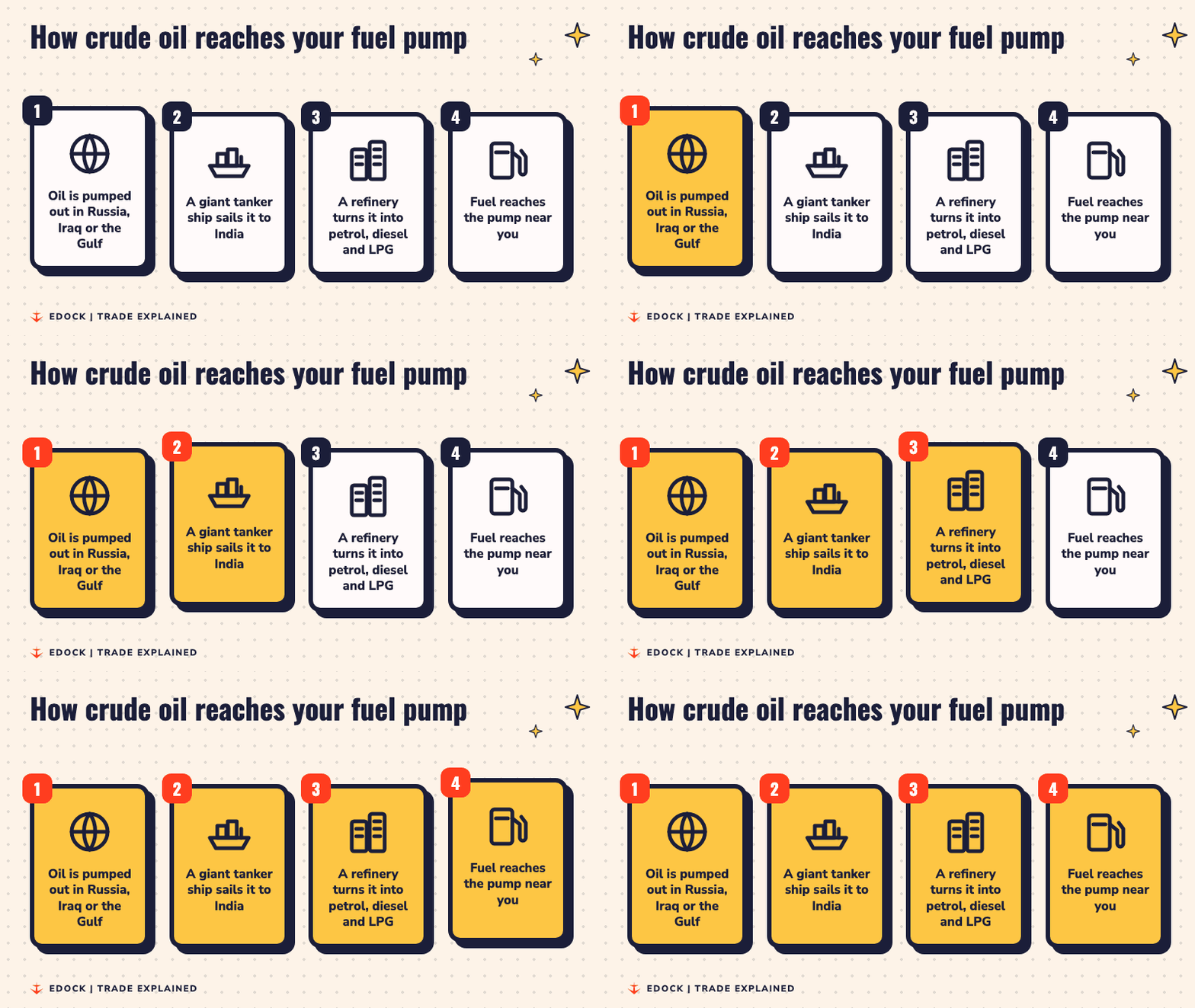
Crude oil is oil just as it comes out of the ground. You cannot put it straight into a scooter. It first goes to a refinery, a huge factory that "cooks" it and splits it into petrol, diesel, cooking gas (LPG) and jet fuel for planes.
India uses a lot of fuel but digs out only a little oil of its own. So it buys most of it from other countries. Buying from another country is called an import. India is the world's third biggest oil importer.
How much oil is 22.26 million tonnes?
A tonne is 1,000 kilograms. So 22.26 million tonnes is about the weight of 22 billion one kilogram bags of sugar. All of that came in during a single month.
Oil traders also count oil in barrels. One oil barrel holds about 159 litres. Ship tracking data showed India's overall oil imports in September were around 5.33 million barrels per day, up 20% from August. Multiply 5.33 million by 159 and you get about 847 million litres every single day. Think of 847 million one litre water bottles, filled with oil, arriving each day.
Two different ways of comparing help here. "Month on month" means this month compared with last month, like comparing your marks in this unit test with the last one. "Year on year" means this September compared with last September. Year on year, crude imports were up 9% from 20.35 million tonnes in September 2025.
Why did imports jump so much?
Most of the extra oil came from West Asia, the Gulf region that includes countries like Iraq and the UAE. Ships carry Gulf oil to India through a narrow sea passage called the Strait of Hormuz. Fighting in the region had slowed that traffic. In September, shipments picked up again, and India's imports from West Asia jumped to about 2.8 million barrels per day, the highest since February.
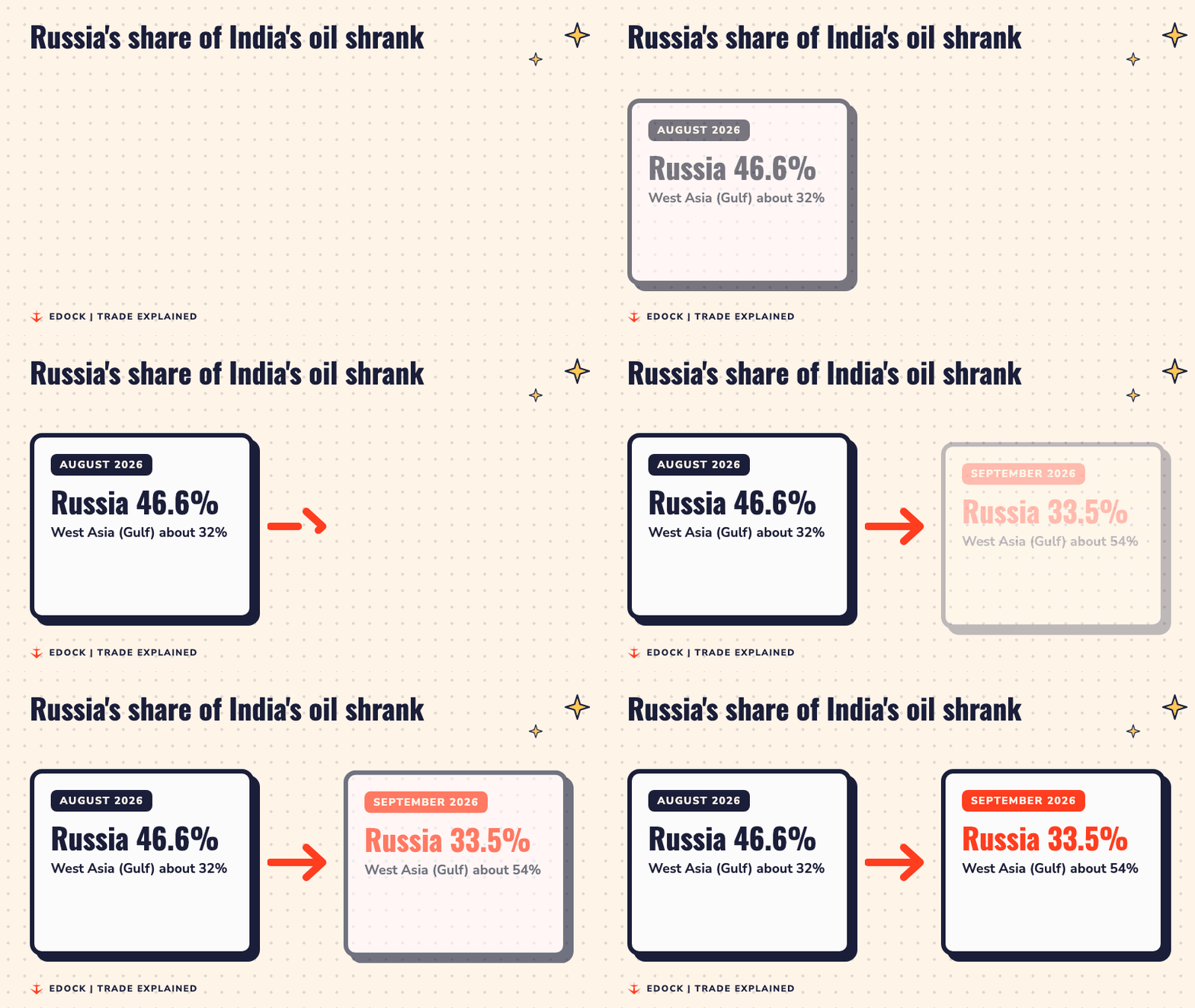
Gulf oil made up about 54% of India's oil imports in September, up from 32% in August, the same report said. Oil analyst Giovanni Staunovo said, as reported by BusinessLine, that the rise was largely driven by the return of Middle Eastern barrels and lower Russian volumes.
Iraq stood out. Its oil sales to India rose to nearly 830,000 barrels per day in September, against 171,000 in August. That is almost five times as much in one month.
What happened to Russian oil?
When Gulf supply was stuck earlier in the conflict, Indian refiners (the companies that run refineries) bought more oil from Russia to fill the gap. Now that the Gulf is shipping again, the picture is changing.
Russian oil imports fell about 14% from August to about 1.8 million barrels per day in September. Russia's share of India's oil buys dropped to 33.5% from 46.6%. Even so, Russia was still India's biggest single seller, followed by the UAE and Iraq.
Why the switch? It comes down to price, like choosing between two samosa stalls. An Indian refining source told Reuters, as reported by The Hindu, that the landed cost of Russian oil is now similar to some West Asian oil, mainly Iraqi oil. "Landed cost" means the full price once the oil reaches India, including the ship ride.
Gulf oil also has a shorter trip to India, and some Gulf sellers have cut prices to make up for high shipping costs, the same source said. The source's simple rule: "We will buy from whoever offers us better prices."
Refiners also snapped up "spot cargoes". A spot cargo is a shipload bought for quick delivery at today's price, like buying vegetables at the market this morning instead of fixing a deal for the whole month.
The bill grew faster than the oil
Here is the twist. Earlier first estimates from the government's oil data office, the Petroleum Planning and Analysis Cell (PPAC), put September crude imports at 21.7 million tonnes, up 7% from a year earlier. But the money India paid for that oil, the "import bill", rose 47% to $15.4 billion.
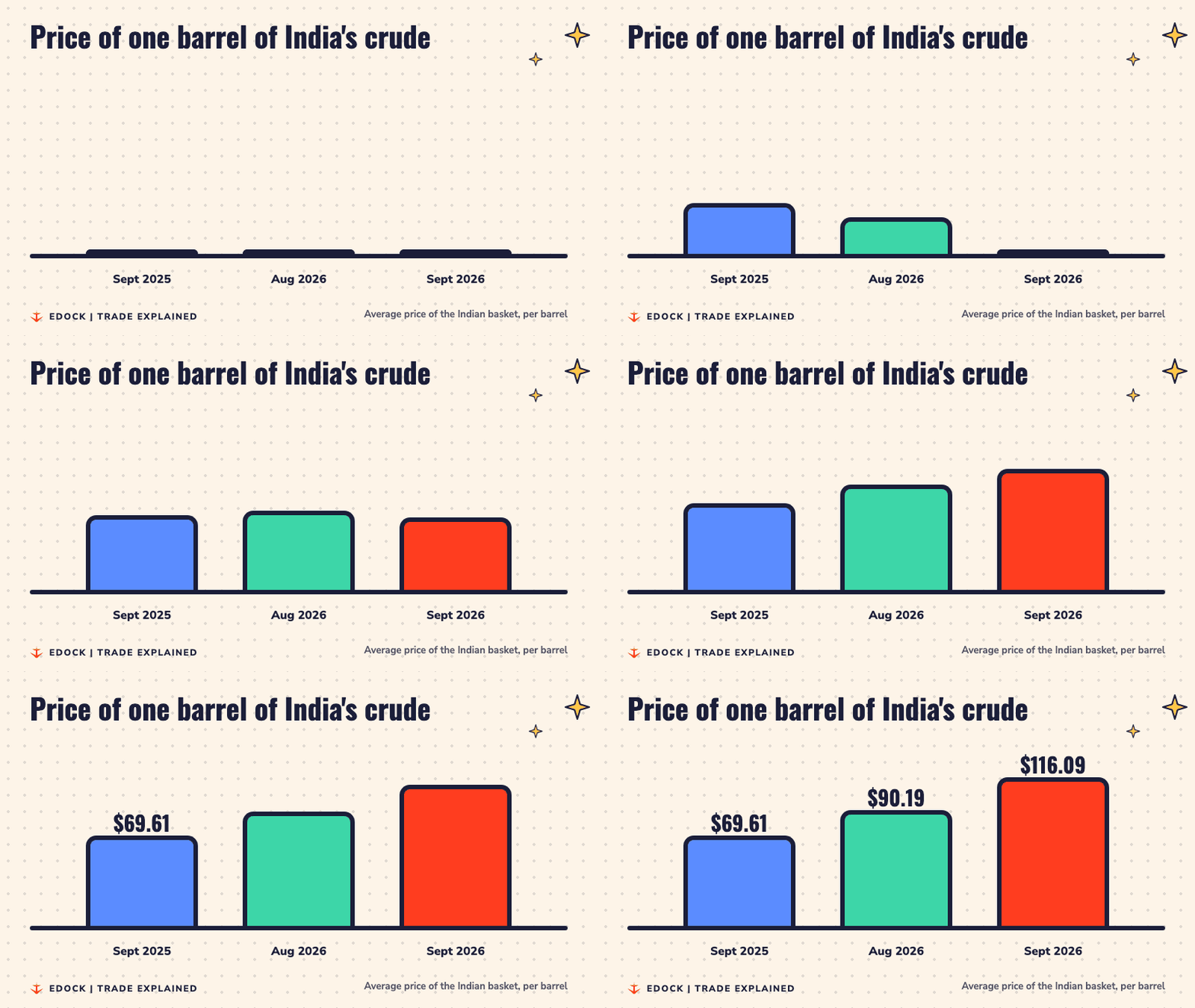
How can the oil go up 7% but the bill go up 47%? Because each barrel got far more expensive. The average price of the Indian basket, the mix of crude oils India buys, was $116.09 a barrel in September, up from $69.61 a year earlier. In August 2026 it was $90.19.
Think of it like your daily chai. If you drink 7% more cups but the price of each cup shoots up by two thirds, your chai spending jumps far more than 7%.
Over the first half of this financial year, April to September, India imported 122.7 million tonnes of crude, barely more than 121.8 million tonnes a year earlier. Yet the bill jumped to $90.6 billion from $61.9 billion. Crude is India's single largest import item, making up around 20% of the country's goods import bill.
Why should a student care?
India's oil bill is counted in US dollars, as the numbers above show. When India spends many more dollars on oil, the country's spending abroad grows. That money pays for the petrol in a bike, the diesel in the truck that carries your online order, and the cooking gas at home.
India is also using more fuel. Fuel consumption in September rose 3.9% from August to 19.26 million tonnes. LPG imports went up to 1.40 million tonnes from 1.30 million tonnes in August, the same data showed.
The September numbers also show how trade works in real life. A country's shopping list is not fixed. When one road is blocked, buyers turn to another seller. When the road opens again and prices change, they switch back. Indian refiners now pick their oil the way a smart shopper picks a stall: by the final price and the shortest trip.
What to watch next
The refining source quoted in The Hindu said Russian oil buys are likely to stay low in the coming months, because its price edge has shrunk. The extra price of Russian oil over Brent, a world benchmark price for oil, has come down to $1 to $2 per barrel from more than $10 in recent months.
So the next few months of data will show two things: whether Gulf oil keeps flowing smoothly, and whether high prices keep pushing India's oil bill up even when the number of barrels barely moves.
Sources
- BusinessLine: India's September crude oil imports jump over 16% month on month
- The Hindu: India's West Asia oil imports return to pre-war levels in September
- Free Press Journal: India's Middle East crude imports surge as Russian purchases fall
- Business Standard: India's crude oil import bill rises 47% to $15.4 billion in September
- The Hindu: India's crude imports rise 7% in September, bill surges 47%
- Times of India: India's crude import bill surges 46% in Sept as oil prices soar
- Wikipedia: Barrel (unit)
- WION: India's Gulf oil exports hit 2.8 million BPD
- Cover photo: An oil tanker, Cochin Oil Terminal, by Rangan Datta Wiki, CC BY-SA 4.0

You may republish this story under CC BY 4.0: credit Arshdeep Singh and link to this page.