India refines 1,200 tonnes of gold but uses 800 to 850. Can GIFT City sell the rest abroad?
New IFSCA rules from 15 October set a path for Indian refiners to earn a global trust stamp called Good Delivery. Here is how it works.

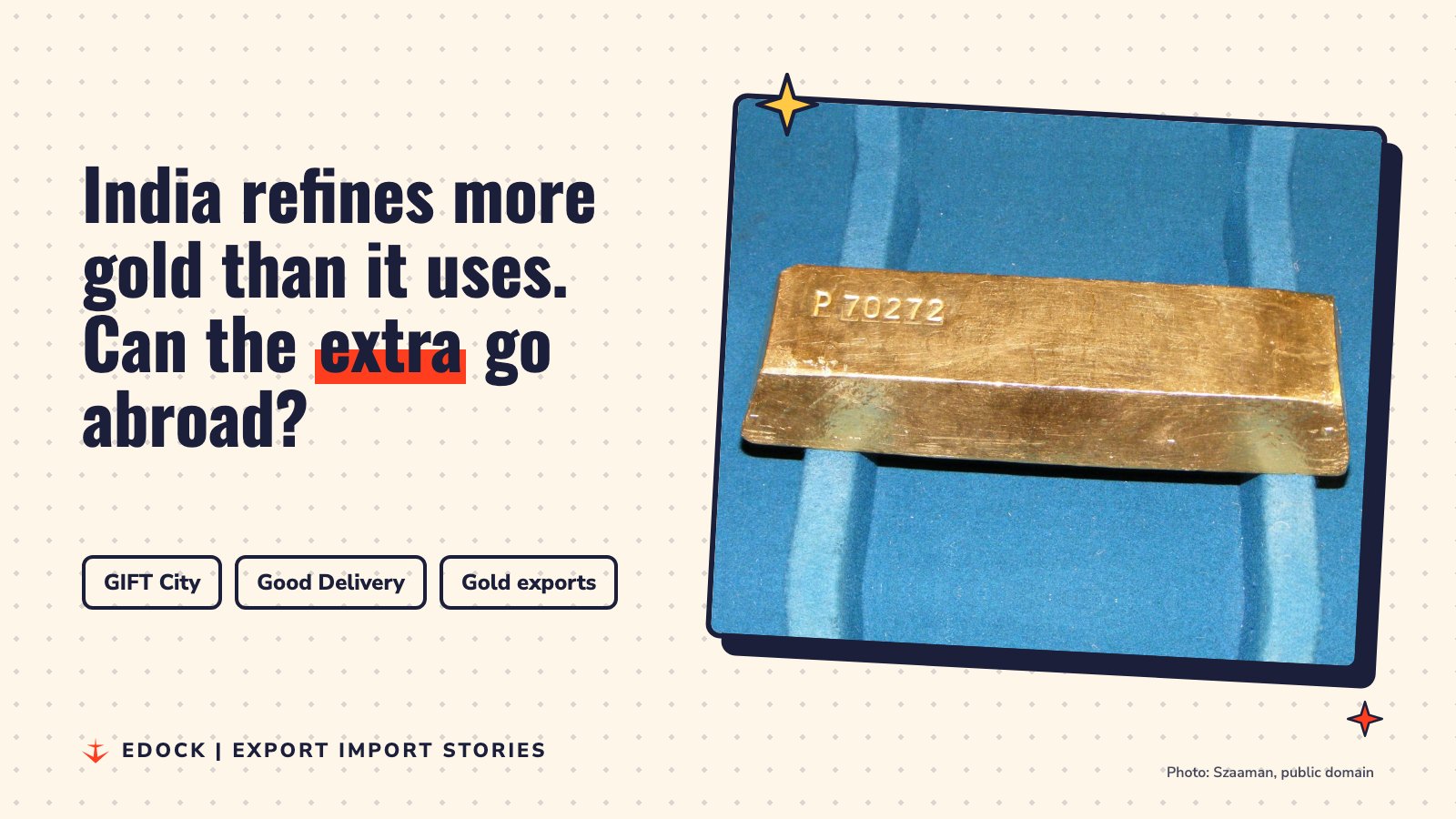
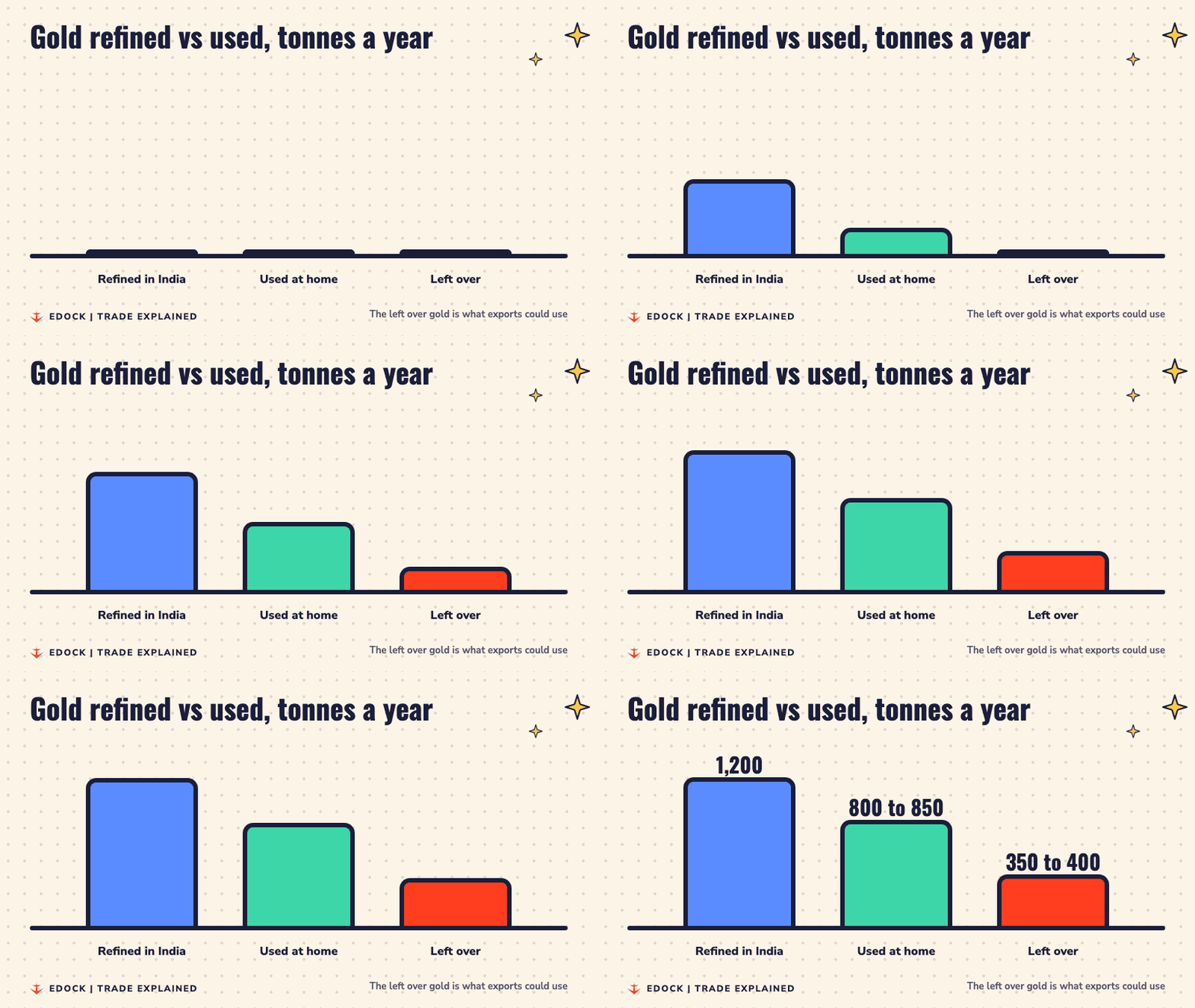
Picture a sweet shop that makes 12 boxes of laddoos every day, but its town only eats about 8. What happens to the rest? That is India's gold story right now. India refines about 1,200 tonnes of gold a year but uses only 800 to 850 tonnes at home. On 15 October 2026, a regulator in GIFT City released new rules that could help that extra gold travel to buyers in other countries.
First, what does refining gold mean?
Gold that comes out of a mine is not pure. It is mixed with other metals. Refining is the cleaning step, a bit like straining tea leaves out of your chai so only the drink is left.
A lot of the gold India refines arrives as dore. Dore is a rough, half-cleaned bar sent from mines abroad. In February 2024, the chairman of the GIFT City regulator, Rajaraman, said India imports about 250 tonnes of dore for refining. The same report said India imports 800 to 900 tonnes of gold a year, mostly for jewellery.
So why can't India just sell the extra gold abroad?
Big buyers of gold, like banks and large traders, do not buy bars from just anyone. They want a trust stamp. In gold, that stamp is called Good Delivery.
Think of it like the hallmark on a gold chain, but for giant bars traded between countries. The best known Good Delivery rules come from the London Bullion Market Association, or LBMA. Its gold bars must be at least 995 parts out of 1,000 pure gold, and each one holds about 11 to 13 kg of gold. Every bar carries a serial number, the refiner's mark, its purity and the year it was made.
If a refiner is not on a trusted list, its bars are like a cricket player without a team cap. The player may be good, but nobody lets him on the big ground.
What happened on 15 October?
The International Financial Services Centres Authority, or IFSCA, is the referee for money matters inside GIFT City's international finance zone. On 15 October, it issued guidelines that set sourcing and audit standards for refiners who want Good Delivery accreditation. Accreditation simply means getting officially approved, like a school getting recognised by a board.
The idea is that gold meeting these standards can be traded through the bullion exchange in GIFT City. A bullion exchange is a market for big bars of gold and silver, the way a sabzi mandi is a market for vegetables.

Where is GIFT City, and what is IIBX?
GIFT City is a planned business city in Gandhinagar district, Gujarat. It is India's first International Financial Services Centre, a special zone built for global money deals.
Inside it sits the India International Bullion Exchange, or IIBX. It was launched on 29 July 2022 and is India's first bullion exchange.
What do refiners now have to do?
The rules ask refiners to behave a bit like a careful shopkeeper who checks every note before taking it. According to The Economic Times, refiners must:
- Know their suppliers. Who is selling them the gold?
- Check the real owner. This is called beneficial ownership: the actual person behind a company, not just the name on the board outside.
- Flag strange deals. Suspicious trades must be reported.
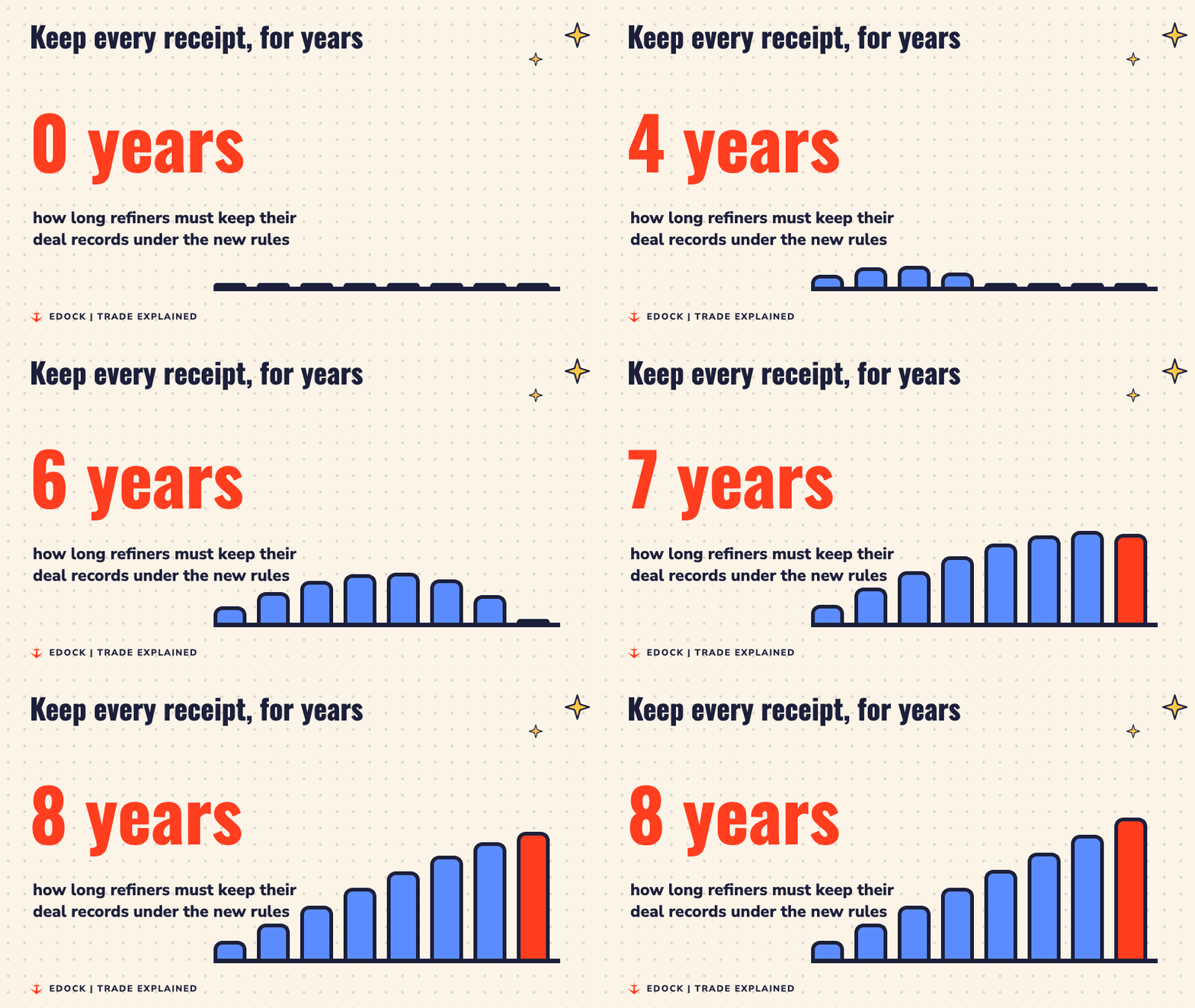
- Keep records for eight years.
- Trace gold to where it came from, and check the risk of gold coming from war zones or other high risk areas.
- Get checked by outsiders. An independent audit means a checker from outside the company looks at the books, like an examiner from another school marking your paper. Refiners must also file a yearly report on how well they follow the rules.
Why the timing matters
Sabyasachi Ray, executive director of the Gem and Jewellery Export Promotion Council, said "These guidelines come at the right time." He pointed to India's recent good rating in a peer review by the Financial Action Task Force, a global group that fights money laundering. Money laundering means making dirty money look clean, and gold is an easy way to try it, which is why buyers care so much about where gold comes from.
Ray also said the new standards are comparable to those used in big gold centres like London and New York. He added that Indian industry groups, with help from the World Gold Council, recently set up a self-checking system for gold modelled on the LBMA.
How big is the opportunity?
Do the simple sum. If India refines about 1,200 tonnes and uses 800 to 850 tonnes, that leaves roughly 350 to 400 tonnes. That gold has to go somewhere, and exports are one option.
This idea is not new. Back in 2024, Rajaraman said India should have its own good delivery standards because it is such a large buyer. He also said India buys about one fourth of the world's gold, yet does not call the shots in the global market.
Ordinary buyers could gain too. The Economic Times notes that over time, Indian shoppers may see more open information about where gold comes from, stronger quality checks and possibly more competitive prices.
What still has to happen?
Rules on paper are only step one. Ray said the next step is to make the system work on the ground. That means IFSCA and IIBX still need to set up the accreditation norms, a panel of approved auditors and trading systems for Good Delivery bars.
So the shop has a new rule book, but the doors are not fully open yet. If the plan works, India could move from mainly buying gold to also selling trusted, India refined gold to the world. For anyone curious about trade, this is one to watch over the next few months.
Sources
- The Economic Times: India refines 1,200 tonnes of gold but consumes 800 to 850 tonnes
- Hindustan Times: There is a great opportunity to do gold refining in India, IFSCA chairman
- Wikipedia: Good Delivery
- Wikipedia: India International Bullion Exchange
- Wikipedia: GIFT City
- Cover photo: Gold bullion 1, by Szaaman, public domain

You may republish this story under CC BY 4.0: credit Arshdeep Singh and link to this page.