HDFC Bank's new EV car loan lets you pay for the battery more slowly
Version 1 of 1 saved 25 Oct 2026, 8:27 pm IST · Chain line 234
As it was first published
HDFC Bank's new EV car loan lets you pay for the battery more slowly
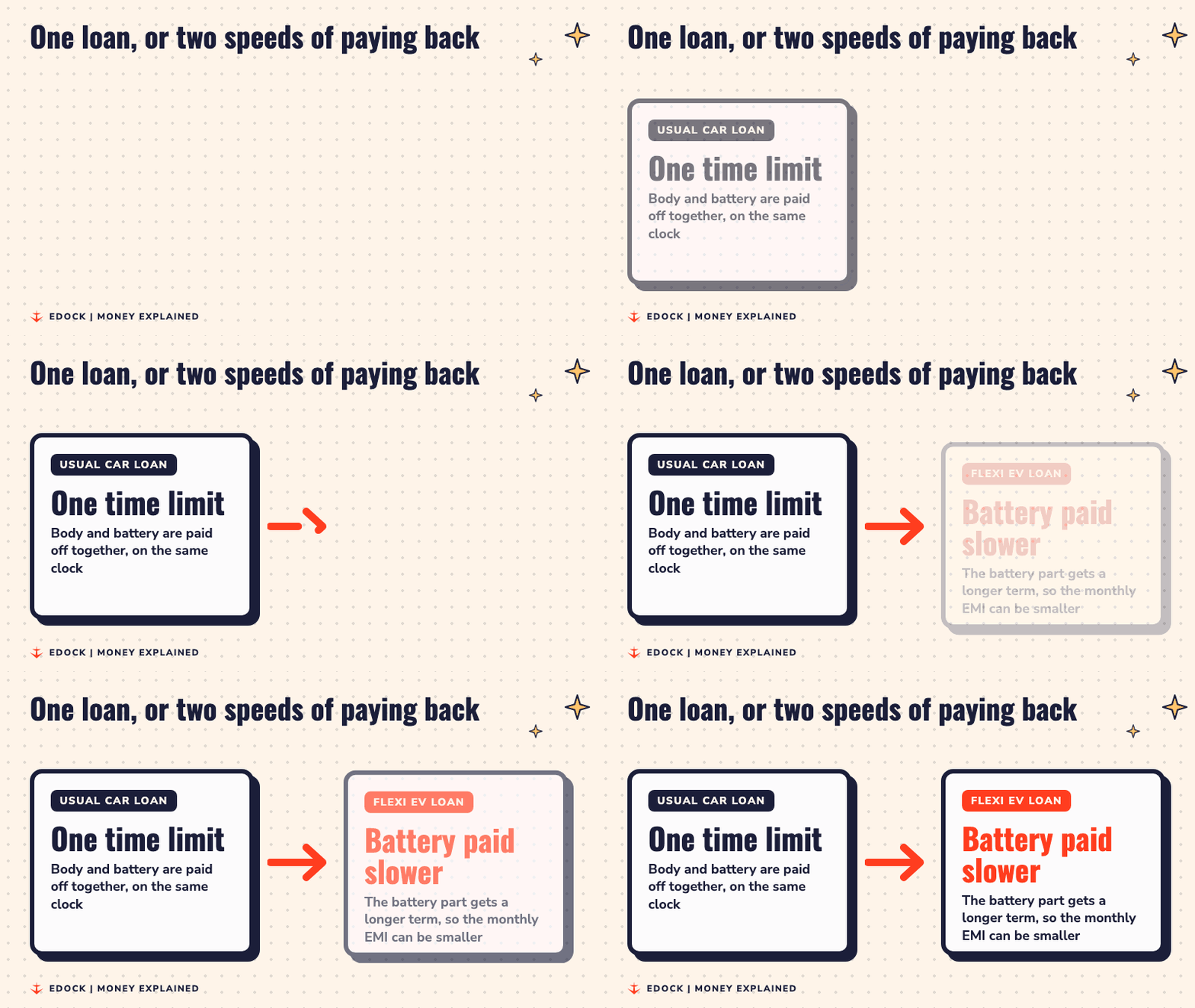
The Flexi Electric Car Loan splits an electric car into body and battery, so the costly battery part can be repaid over a longer time.
Picture an electric car as two things joined together. One is the body: the seats, the wheels, the doors and the steering. The other is a giant battery hidden under the floor. Now imagine a loan that treats those two parts differently, letting you pay for the battery more slowly than the rest of the car.
That is exactly what HDFC Bank announced on Sunday, 25 October 2026. India's largest private sector lender said it had launched the "Flexi Electric Car Loan", which finances the body and the battery of an electric vehicle (EV) in different proportions. The battery part can be repaid over a longer term. The bank called the product the first of its kind.
First, what is a loan and an EMI?
A car loan is money a bank pays the car seller for you. You then return that money to the bank, plus a little extra called interest, which is the fee for borrowing.
You do not return it all at once. You pay a fixed amount every month. That monthly amount is called an EMI, short for equated monthly instalment. It works like buying a phone "on EMI": instead of paying the full price on day one, you pay a smaller amount each month until it is done.
The tenure is how long the loan runs. A longer tenure usually means a smaller EMI each month, because the same amount is spread over more months. Think of a box of 60 laddoos. Eat 10 a day and the box lasts 6 days. Eat 5 a day and it lasts 12 days. The box is the same; only the speed changes.
Why the battery gets special treatment
According to the bank, batteries are the costliest component of an EV. That is the main reason electric cars cost more to buy than petrol or diesel cars, which bankers call ICE vehicles (internal combustion engine, the kind of engine that burns fuel).
So the big price tag of an EV is mostly the battery. HDFC Bank's idea is simple: split the loan, and let the battery portion run longer than the body portion. That way the customer can shape how much leaves their account each month. The bank describes this as letting customers customise their EMI outflow.
A battery EMI that feels like a fuel bill
Here is the most interesting line in the bank's statement. It said the EMI on the battery portion will be comparable to the running cost of an ICE vehicle.
In plain words: a petrol car owner spends money every month on fuel. An EV owner pays for charging instead of fuel. HDFC Bank is suggesting the monthly payment for the battery can feel similar to what a petrol car owner already pays at the pump. The money goes to the battery instead of the fuel station.
The bank also said this approach fits with newer models where people pay for an EV battery month by month, a bit like a mobile recharge plan, instead of paying for it fully on day one. Those plans aim to make the car cheaper to buy at the start.
Who can use it, and where
As per the bank, the loan is meant only for EV purchases and covers vehicles from leading original equipment manufacturers, or OEMs. An OEM is simply the company that makes the car, like the brand name on the bonnet. The loan is available at the bank's more than 9,700 branches.
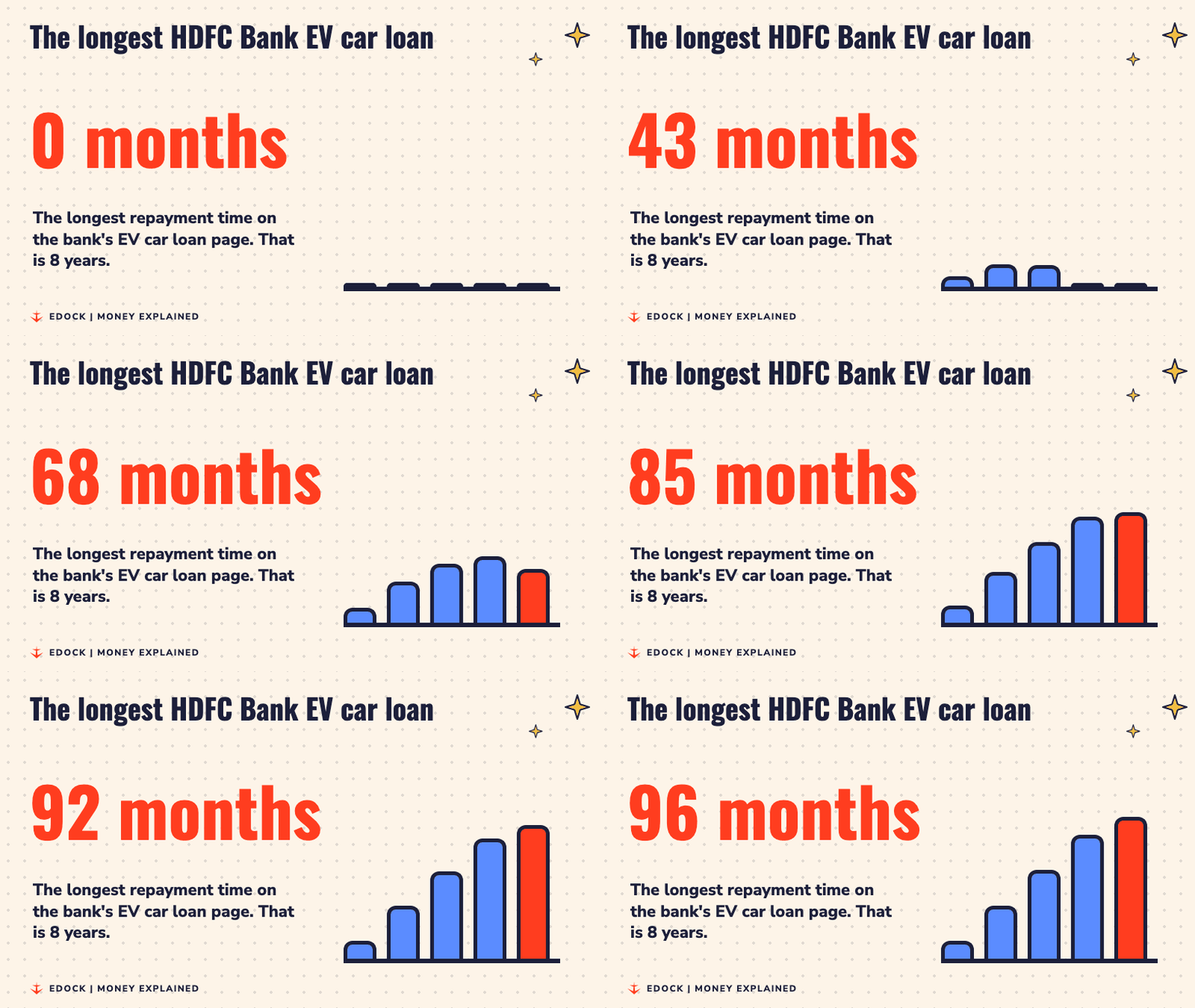
The statement did not say exactly how many months the body part and the battery part can each run. For a sense of scale, HDFC Bank's own electric car loan page says its EV car loans have repayment terms from 12 to 96 months, which is up to 8 years, and that the loan is available on all electric four-wheelers. The same page says approvals can take around 30 minutes. Those are the bank's general EV loan terms, not the specific split for the new flexi product.
What the bank said
Arvind Vohra, group head of retail assets and rural banking at HDFC Bank, said in the statement: "The EV revolution in India is fast gaining momentum, supported by government incentives, a push for an improved technological landscape and judicious policies." He added that the bank believes the product will play a pivotal role in making EV ownership "a cost-effective, seamless and hassle-free journey."
The product had an earlier outing too. A video posted by FADA, the vehicle dealers' body, in September 2026 shows Akhilesh Roy, HDFC Bank's business head for auto loans, presenting the Flexi Electric Car Loan as a new product launch.
Why a bank cares about electric cars
Banks make money by lending. If more people buy EVs, more people need EV loans. But a high starting price scares buyers away, just like a costly ticket keeps fans away from a cricket match even if they love the game. Lower the monthly payment, and more people may say yes.
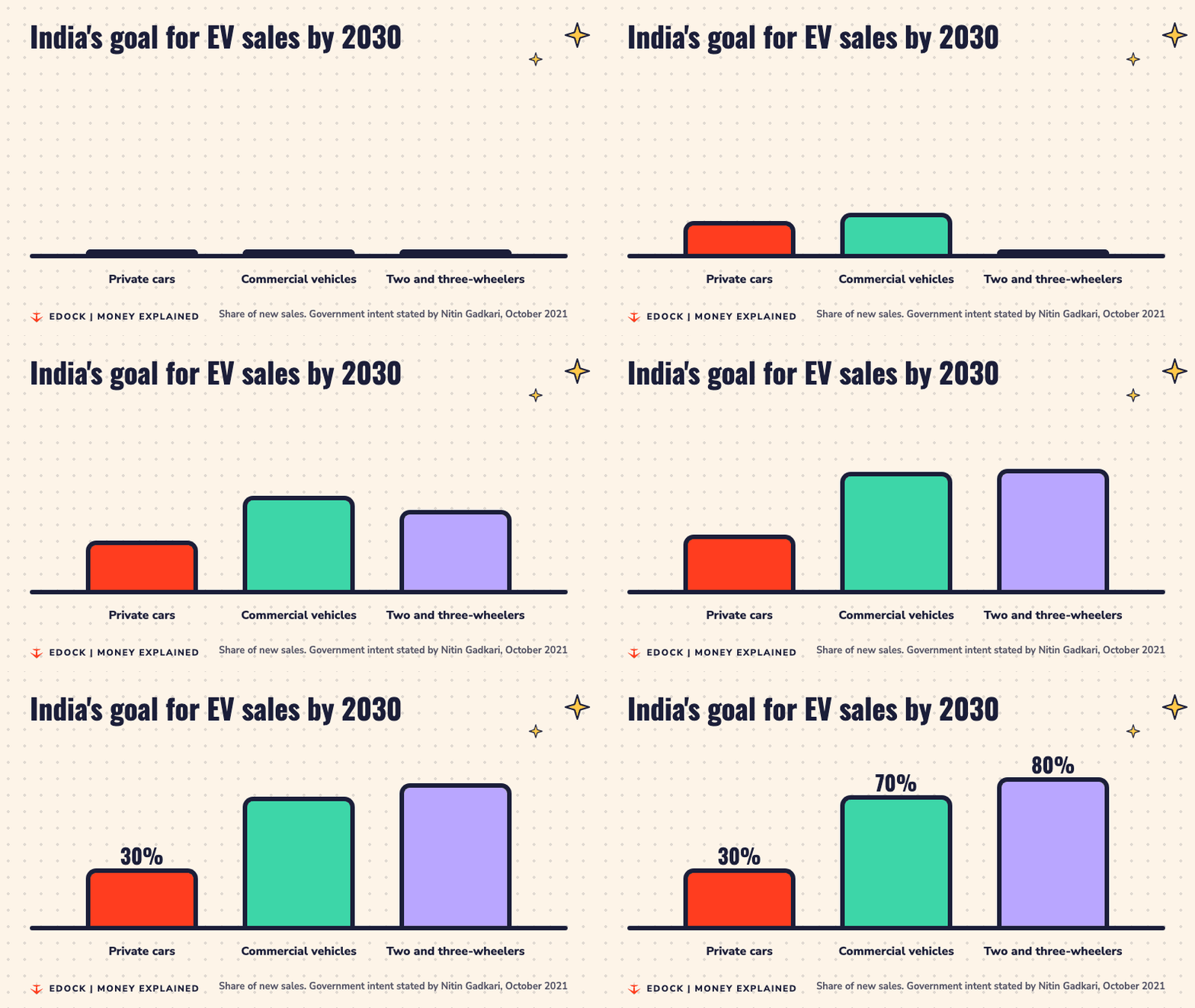
There is also a bigger national goal. Back in October 2021, Union minister Nitin Gadkari said the government intends to have EV sales penetration of 30 per cent for private cars by 2030. Sales penetration means the share of new sales. So 30% means 30 out of every 100 new private cars sold would be electric. The same statement listed 70% for commercial vehicles, 40% for buses and 80% for two and three-wheelers.
What this means for a first-time buyer
For a young person thinking about a first car a few years from now, the main takeaway is about how loans are built. The price of a car is one number. How that price is split, and over how many months, can change how heavy it feels each month.
A longer tenure for the battery part can make each EMI smaller, but paying over more months usually also means paying interest for longer. That is the classic trade-off with any loan: smaller bites, longer meal. Anyone comparing loans should read the bank's full terms and work out the total amount paid, not just the monthly number.
For India's car market, the launch shows how lenders are trying to remove one of the biggest reasons people hold back from EVs: the high price at the start. If banks can make an electric car's monthly cost look like a petrol car's fuel bill, the switch may feel less scary to many families.
Sources
- Business Standard: HDFC Bank launches flexible EV car loan with longer battery repayment (25 October 2026)
- HDFC Bank: Electric car loan page
- Deccan Herald: Govt intends to have EV sales penetration of 30% for private cars by 2030 (8 October 2021)
- FADA on YouTube: HDFC Bank's new product launch, Flexi Electric Car Loan (September 2026)
- Cover photo: HDFC Bank Pune Fergusson College Road branch, by DesiBoy101, CC BY 4.0
