Havells sales jump 34.6% in Q2, so why did profit grow only 9.7%?
Version 1 of 1 saved 22 Oct 2026, 7:23 pm IST · Chain line 146
As it was first published
Havells sales jump 34.6% in Q2, so why did profit grow only 9.7%?
The maker of cables, fans and Lloyd appliances earned Rs 349 crore in July to September 2026. Thinner cable margins and a one-time gain last year explain the gap.
Picture this. A company sells about Rs 1,653 crore more in three months than it did a year ago. You would expect profit to shoot up too. But it rose by only about Rs 31 crore. That is what happened at Havells India, the maker of cables, switches, fans and Lloyd appliances.
On Thursday, 22 October 2026, Havells shared its results for July to September 2026. Sales jumped 34.6%. Profit grew only 9.7%. Here is the story, in simple words.
First, what are "Q2 results"?
Indian companies count their money year from April to March. They split it into four parts of three months each, called quarters. Q2 means the second quarter, which is July, August and September. FY27 means the money year that ends in March 2027.
Every quarter, big listed companies must tell everyone how much they sold and how much they kept. Think of it as a report card that comes out four times a year.
The big numbers
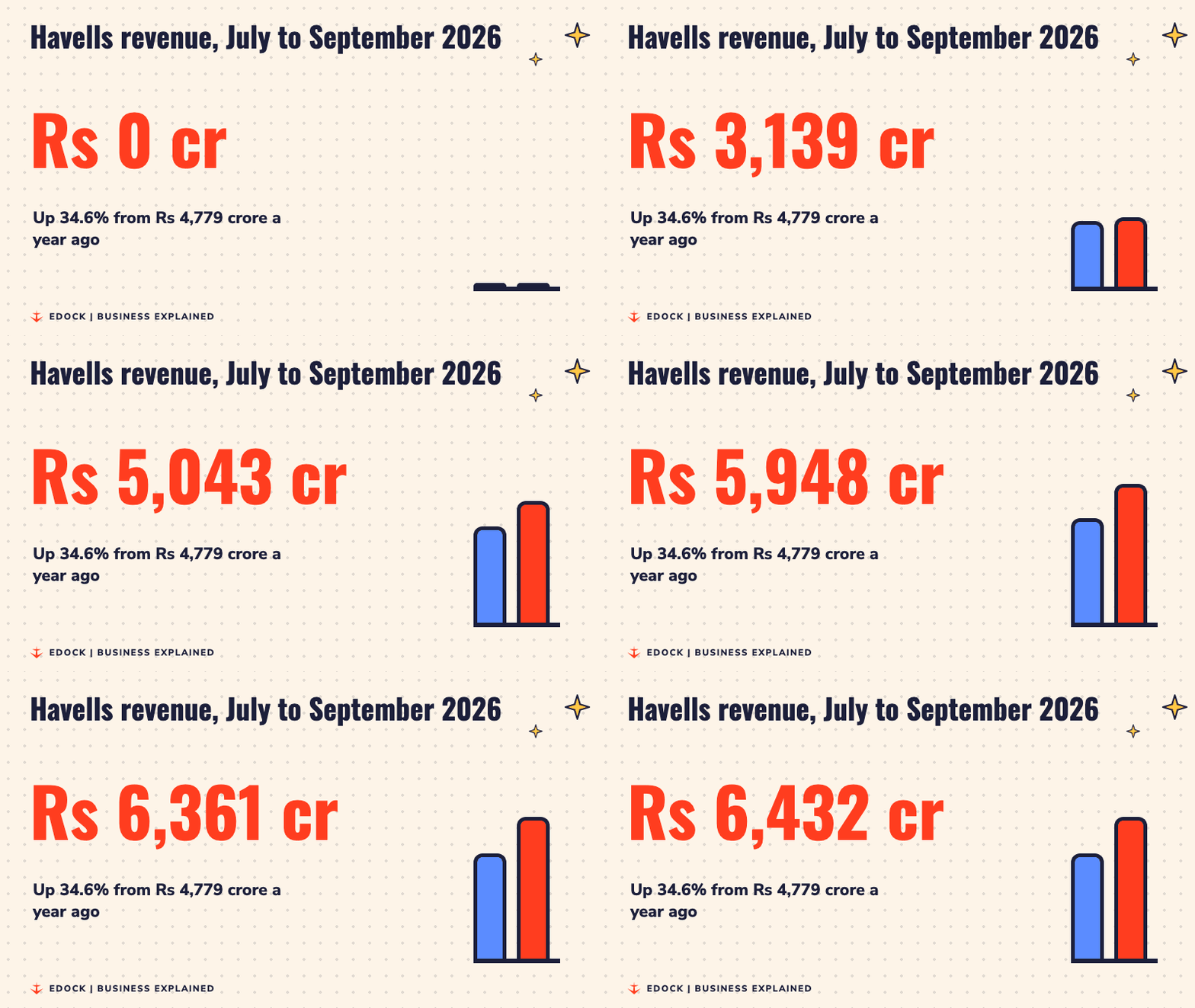
Havells' revenue from operations rose 34.57% to Rs 6,432 crore, up from Rs 4,779.33 crore a year ago. Revenue is simply all the money that comes in from selling things. If a samosa stall sells 100 samosas at Rs 20 each, its revenue is Rs 2,000.
Its net profit rose 9.72% to Rs 349.22 crore, from Rs 318.28 crore a year ago. Net profit is what is left after paying for everything: raw material, salaries, ads, rent and tax. For the samosa stall, it is the cash left in the box after paying for potatoes, oil, the helper and the gas cylinder.
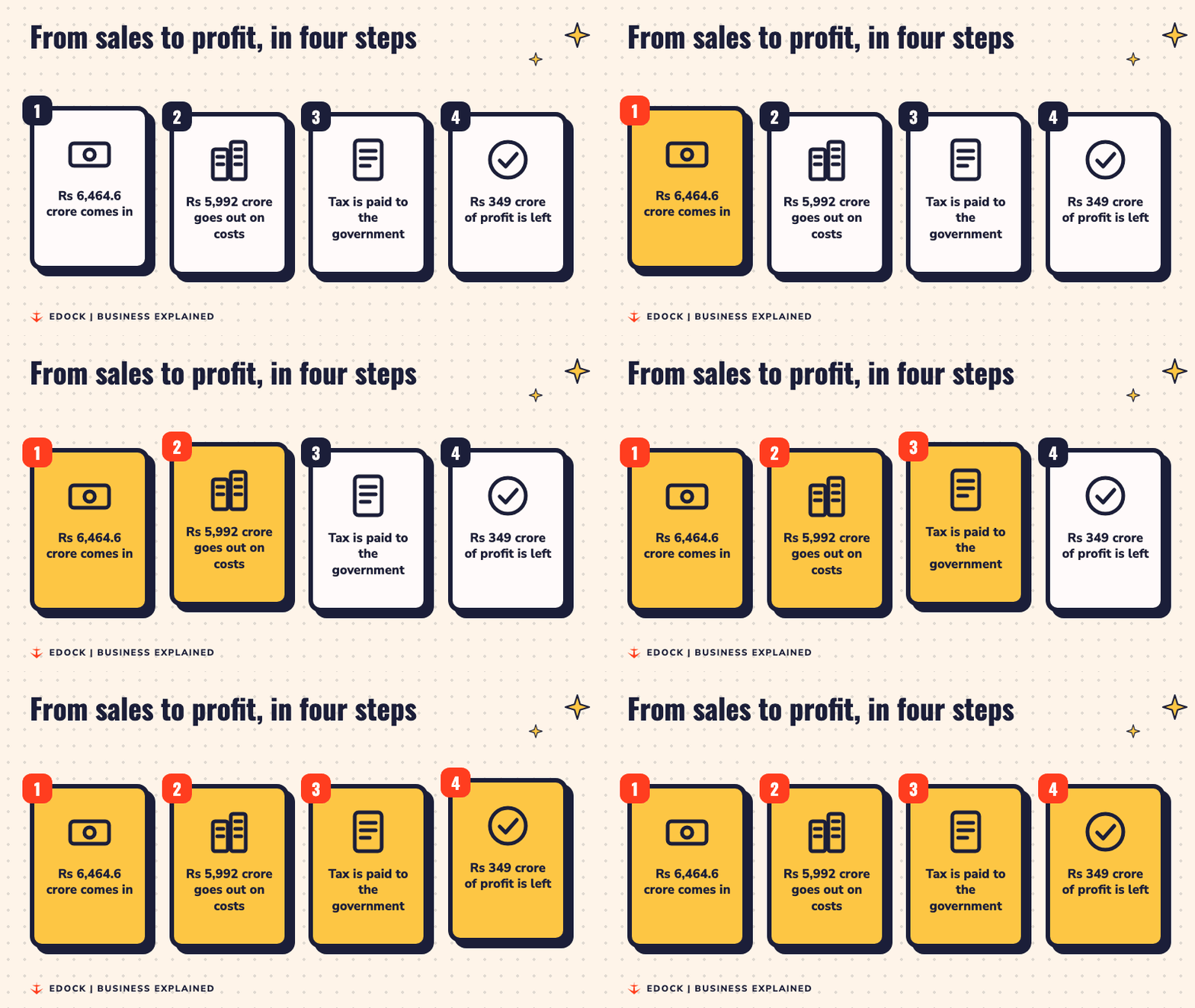
Havells also said its total income, which adds other income such as interest, was Rs 6,464.60 crore. Its total expenses were Rs 5,991.98 crore.
So why did profit grow so slowly?
Here is a simple way to see it. A year ago, Havells kept about Rs 6.7 as profit from every Rs 100 of revenue. This quarter, it kept about Rs 5.4. So it sold a lot more, but kept a smaller slice of each rupee. The pages Havells and news outlets shared point to four reasons.
1. Costs grew almost as fast as sales
Total expenses rose 34.47%, nearly the same speed as revenue. When your pocket money goes up by a third but your canteen bill also goes up by a third, you do not save much more.
2. Cables earned a thinner margin
Cables are Havells' biggest business. They brought in Rs 2,999 crore, up 47.9%, which is almost half of all revenue. But Havells' own results update says a fall in aluminium prices during the quarter weighed on cable margins. A margin is the part of each sale that is left after the direct costs of making and selling it.
For cables, this "contribution margin" fell to 13.9% from 17.7% a year ago, as per the same update. In samosa terms: the stall sold far more samosas, but kept fewer paise on each one.
3. Last year had a one-time bonus
A year ago, Havells' other income included a one-time gain of Rs 45.27 crore from selling its Faridabad facility. That is like a family selling an old scooter. It adds cash once, but it does not come back the next year. So this year's profit is being compared with a number that had an extra boost.
4. Lloyd is still losing money
Lloyd Consumer, the consumer durables business Havells bought in 2017, grew revenue 28.4% to Rs 615 crore. Sales rose from both higher volumes and price increases. But Havells' update shows the Lloyd segment still posted a loss of Rs 104 crore for the quarter. It says Lloyd's margins stayed weak because raw material costs went up.
Which parts of Havells sold the most?
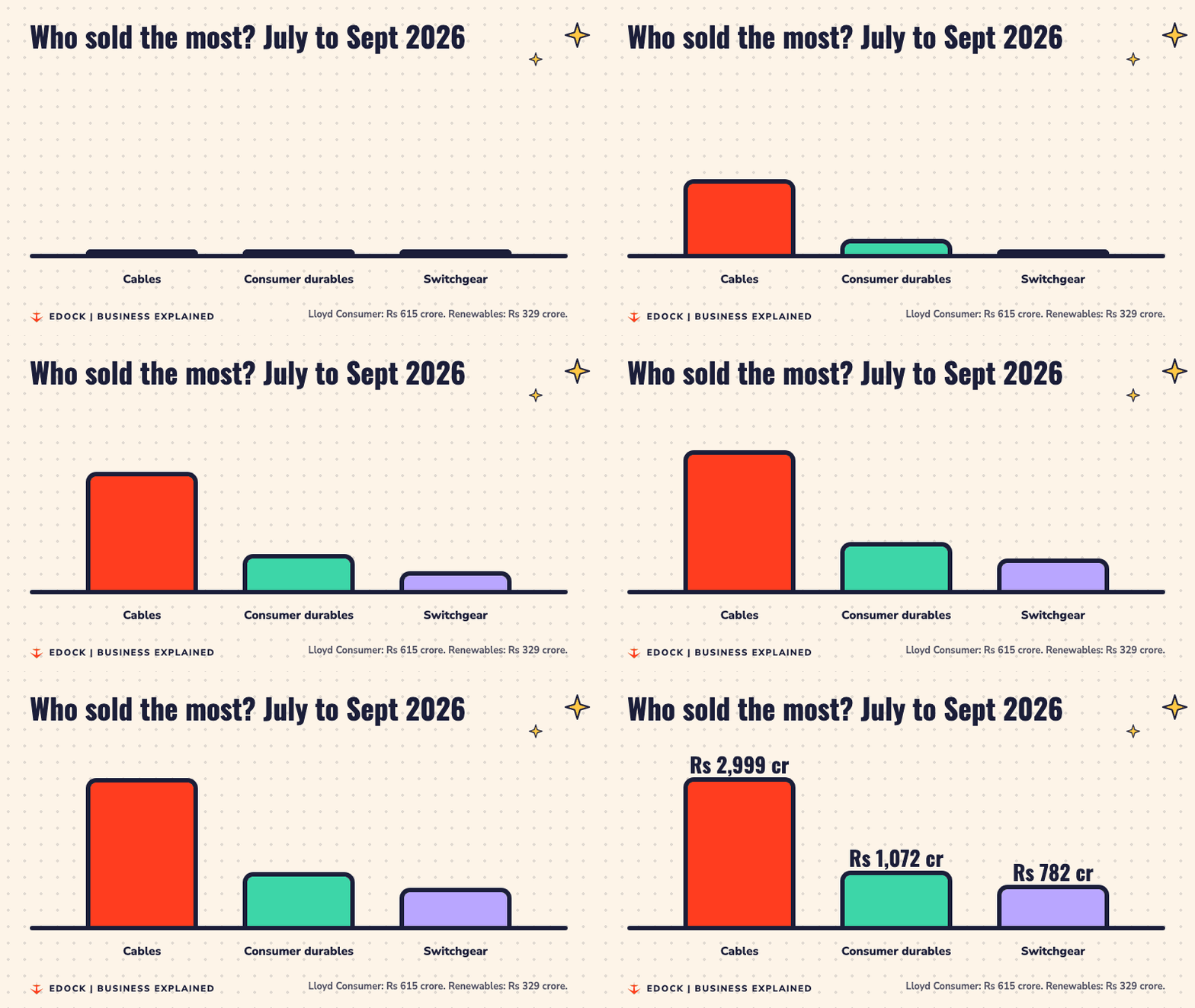
Every business line grew, as per Business Standard's report:
- Cables: Rs 2,999 crore, up 47.9%, helped by price increases linked to metal prices and more sales of bigger cables.
- Electrical consumer durables (home products like appliances): Rs 1,072 crore, up 10.7%.
- Switchgear (the switches and safety boxes that cut power when something goes wrong): Rs 782 crore, up 31.3%, with better demand at home and exports bouncing back.
- Lloyd Consumer: Rs 615 crore, up 28.4%.
- Lighting and fixtures: Rs 449 crore, up 7%.
- Renewables: Rs 329 crore, more than double a year ago.
Was there any good news on costs?
Yes. Havells' update says that outside cables, careful price hikes made up for costlier raw material. In that update, EBITDA rose 30.5% to Rs 576 crore. EBITDA is the money a business makes from its daily work before interest, tax and wear and tear on machines are counted. Think of it as the stall's earnings before it pays its loan and before the frying pan gets old.
Chairman and Managing Director Anil Rai Gupta said demand "remained steady despite inflationary environment", as quoted by Business Standard. Inflation means prices of things going up over time. He also said Havells is positive about the festive season, though "macro uncertainties" remain.
The half-year picture
Looking at April to September together, profit actually fell. Havells' net profit for the six months was Rs 638.93 crore, down 4.04% from Rs 665.81 crore a year earlier. Revenue for the six months rose to Rs 12,950.18 crore from Rs 10,234.68 crore.
Hear it from the company
Havells held a call with analysts to discuss the quarter. A recording of the Q2 FY27 earnings call is below.
What this teaches about any business
Big sales do not always mean big profit. A company can grow fast and still keep less from each sale when metal prices move, when one part of the business loses money, or when last year had a one-time gain. When you read a results headline, look at both numbers: how much came in, and how much was kept.
Sources
- Havells Q2 net profit rises 9.7% to Rs 349 cr as revenue grows 34.6%, Business Standard (PTI), 22 Oct 2026
- Havells India reports Q2 FY27 consolidated net profit of Rs 349.22 crore, Free Press Journal
- Havells India Q2 FY27 information update (standalone), Havells India
- Havells India Earnings Call for Q2FY27, Trendlyne on YouTube
- Cover photo: Cable Drum, by Olaf, CC BY 3.0
