Godrej is hiding its locks and sofas inside a tiny Instagram family drama
Godrej Enterprises Group launched 2nd Gen Kumars, an eight-episode microdrama, to test if short phone stories can build a brand better than normal ads.

Picture a family drama on your phone. Each episode is so short that it ends before your chai cools down. In the background, a digital lock clicks at the front door, a home locker sits in a cupboard, and the sofa looks rather nice. None of it is an ad break. The products are simply part of the story.
That is what Godrej Enterprises Group is now testing, as ET BrandEquity reported on 23 October 2026. The group has launched an eight-episode series called 2nd Gen Kumars on Instagram. Its official trailer, titled "2nd Gen Kumars are COMING SOON", went up on the group's YouTube channel on 22 October.
First, what is a microdrama?
Think of a TV serial chopped into tiny pieces. Each piece runs for a minute or two, it is shot to fit a phone held upright, and almost every episode ends on a cliffhanger, a moment that leaves you asking "what happens next?" You watch one, then another, then another, like eating one samosa and somehow finishing the plate.
An agency founder told afaqs that the heart of a microdrama is continuity: a format people recognise, come back to and care about. Whole apps now run on these shows. Balaji Telefilms says it releases 10 to 12 microdrama shows every week, the same afaqs report says.
What exactly did Godrej make?
According to ET BrandEquity, 2nd Gen Kumars is a story about modern Indian family life. Four of the group's home businesses appear inside it: digital locks, home lockers, furniture and home appliances. The idea was born inside the company. A studio called Bonfire Stories Collective helped with the creative work and the filming.
The group's head of brand and strategic insights, Sumeet Bhojani, told the outlet they wanted "to be early in the learning curve" of a format they see as promising. In plain words: try it now, learn fast, before everyone else does.
Why put products inside a story?
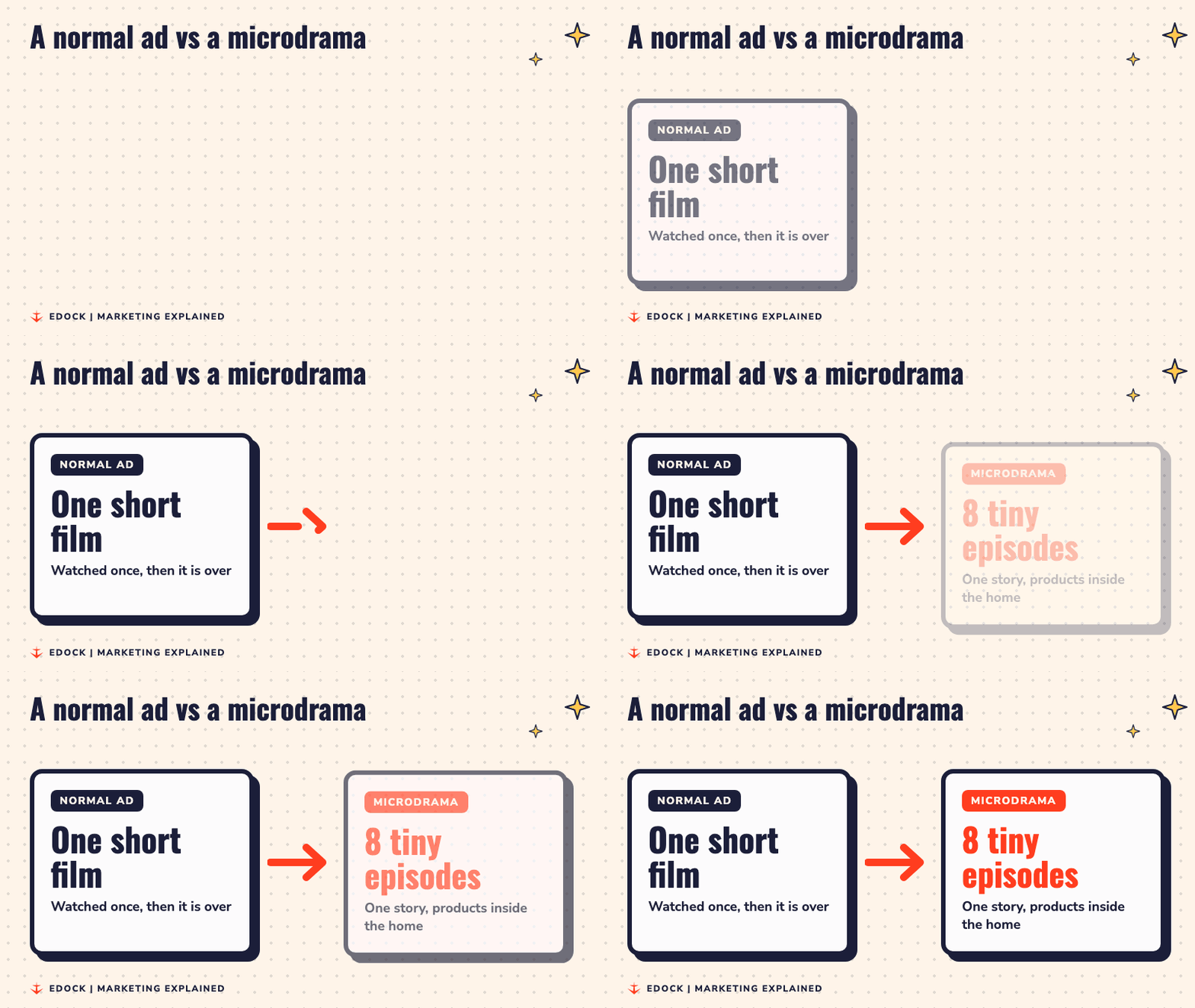
Here is a simple way to see it. A normal ad is like a shopkeeper shouting "buy my umbrella!" as you walk past. Most people keep walking. Now imagine a cricket match where the batter is clearly using one brand of bat, shot after shot, over after over. Nobody shouted at you, but you saw that bat many times.
That second idea is called brand building. It means helping people know, like and trust a name over time, so that one day, when they need a lock or a sofa, that name pops into their head first. It is different from an ad that asks you to buy today.
Bhojani told ET BrandEquity that the team did not lean on "overt product placements". Product placement means paying to have a product shown inside a film or show. Godrej says it began with the story and then looked for natural spots where its products could fit, rather than writing a story around the products.
Why Instagram first?
The group picked Instagram because it reaches a huge number of people and is already where short videos are watched, ET BrandEquity reported. It also wanted to go past people who are already hunting for a lock or a sofa and reach a wider crowd, including younger viewers.
This matches how people find microdramas. ET BrandEquity, quoting a Redseer Strategy Consultants survey, said about 64% of microdrama viewers first found the format through social media and short videos, and another 20% heard about it from friends and family. Together that is 84%, the share ET reports as finding the format through social media, short video and word of mouth.
How big is this habit in India?
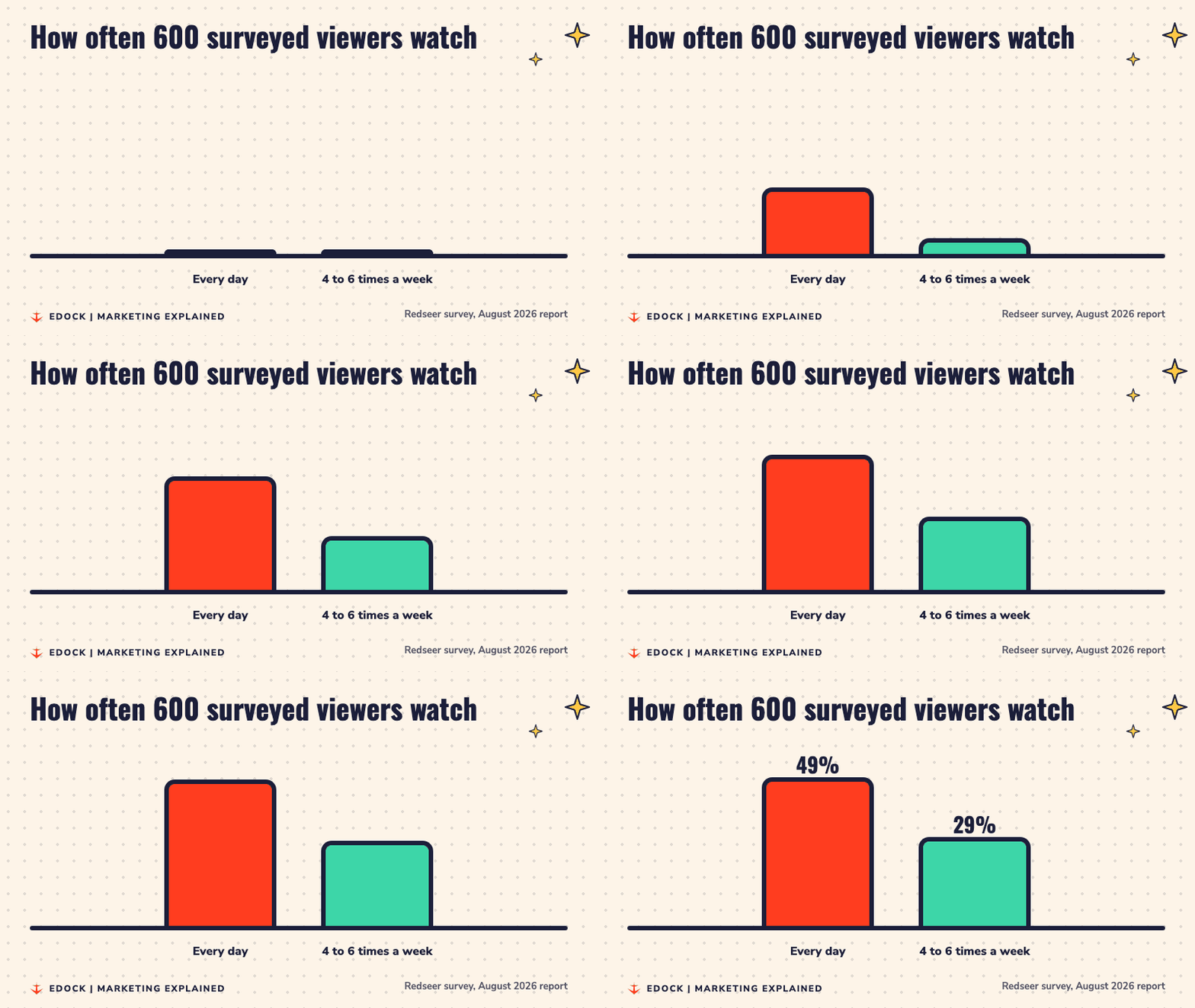
Bigger than most people would guess. The same Redseer survey of 600 people, cited by ET BrandEquity, found that 49% watched microdramas every day and 29% watched them four to six times a week.
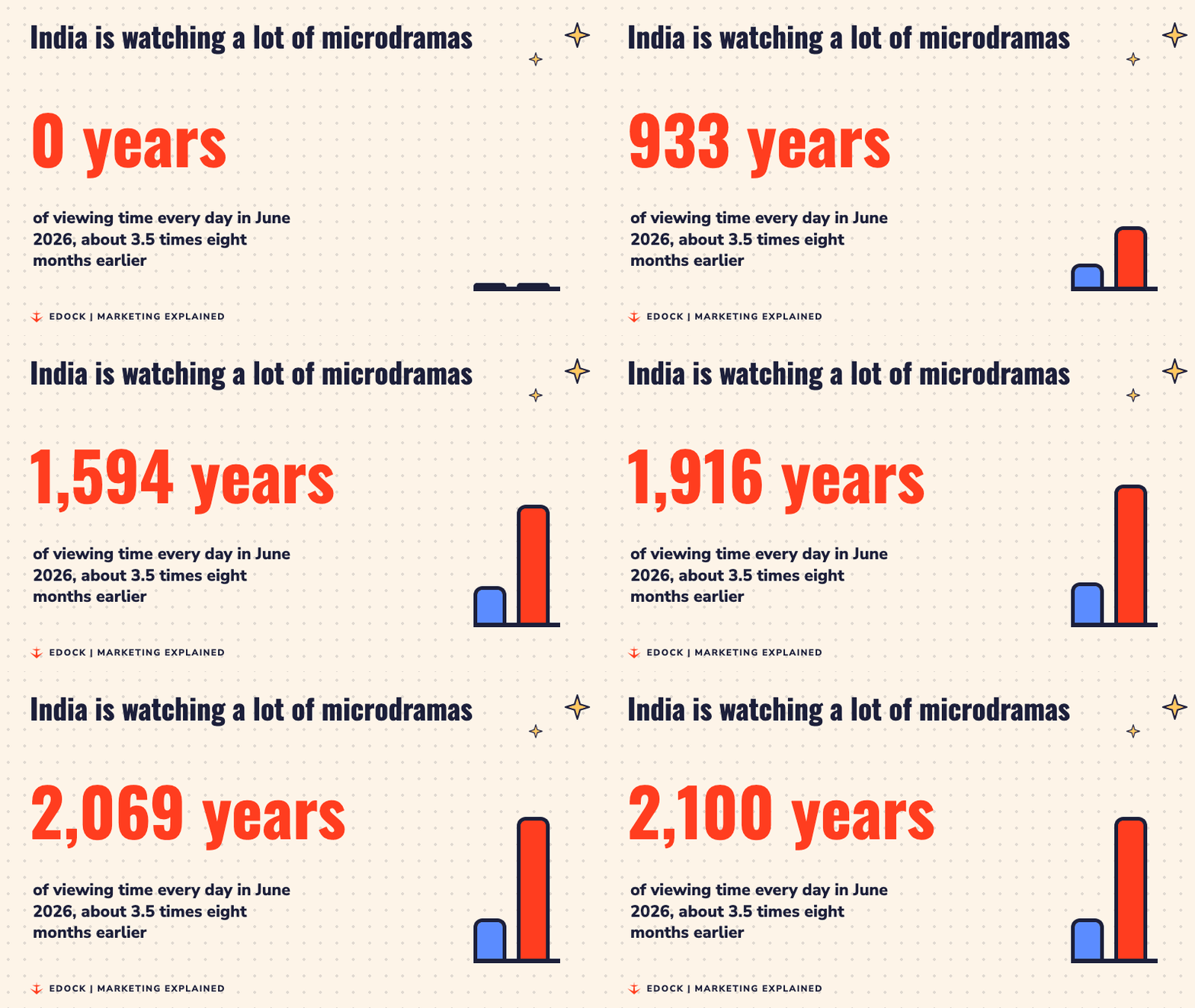
Now the eye-popping number. Add up all the microdrama watching in India in one day in June 2026, and it came to about 2,100 years of viewing time. That was 3.5 times the level of eight months earlier, ET BrandEquity reported from the Redseer data.
Redseer's own report page says about 40 million people in India have paid for microdramas at least once, and users spend about 50 minutes a day on them. It also projects that ad money in this space could grow from about ₹24 crore in FY26 to ₹5,000 to ₹5,500 crore by FY32. FY means financial year, which in India runs from April to March. A projection is a guess about the future, not a promise.
How will Godrej know if it worked?
This is the smartest part of the plan. Lots of people watching does not mean lots of people now like the brand. Bhojani told ET BrandEquity that "views and impressions" do not guarantee results.
So over the next two to three months, the group says it will track brand searches and its share of search. Share of search is simple: out of all the people searching online for, say, digital locks, how many type your brand's name? If more people start searching "Godrej lock" after watching the show, that is a good sign. It will also check brand consideration, which means how many people would think about your brand when they are ready to buy.
Godrej has not shared how much the series cost. Bhojani said microdramas can cost less than normal digital ads, because they use relatable characters and everyday scenes rather than costly sets or celebrity faces.
Why should a student care?
Because this is where marketing is heading, and it is happening on the same phone in your pocket. Brands are learning to tell stories instead of shouting slogans. For anyone thinking of a career in marketing, writing, film or social media, a new kind of work is opening up: writing stories that keep people hooked and still make a brand look good, without feeling like an ad.
It is also a lesson in measuring the right thing. A video with a million views can still fail if nobody remembers the brand. Godrej is betting that the real test is what people search for and choose later.
If this season works, Bhojani told ET BrandEquity, the format could become "fairly mainstream" for the group. For now, it is a test, and the next few months of search data will tell the story.
Sources
- ET BrandEquity: Godrej Enterprises Group tests microdramas as a new route to brand building
- Redseer Strategy Consultants: The AVOD Imperative, India micro-drama report
- afaqs: Tiny episodes, big hooks, how micro-dramas are advertised in India
- YouTube: 2nd Gen Kumars are COMING SOON, Godrej Enterprises Group
- YouTube: 2nd Gen Kumars, Episode 3, Godrej Enterprises Group
- Cover photo: Godrej Interio furniture store, on Hitech City main road, by iMahesh, CC BY-SA 4.0

You may republish this story under CC BY 4.0: credit Pranav Sharma and link to this page.