Dark chocolate is winning Indian homes as households buying it jump 45%
Ten-minute delivery apps, late night cravings and pricier treats are pushing a bitter bar into more city kitchens, new shopping data shows.
Picture this. It is 11 at night, the kirana shop down the road has shut, and someone in a big Indian city opens a delivery app and orders a bar of dark chocolate. Ten minutes later it is at the door. Across India, more and more homes are doing exactly this. On 24 October 2026, The Economic Times reported that the number of Indian households buying dark chocolate rose 45% in the year that ended in August.
That is a big jump for a sweet that many people once found too bitter. Here is what the number means, who counted it, which brands are chasing it, and why it matters for the companies that make our snacks.
Who counted the chocolate?
The numbers come from Worldpanel by Numerator, a research firm that tracks what families buy. Think of it like a class register, but for shopping. The firm follows what a large group of homes buy every month, so it can tell when a product is suddenly showing up in more kitchens.
Its data says the count of homes buying dark chocolate grew 45% in the year to August. Earlier, that growth was 28.2% in 2024 and 11.3% in 2025, as ET reports it. So the speed has picked up a lot.
A small word to know here is "household penetration". It simply means the share of all homes that bought something at least once. For dark chocolate, that share is 8.5%. So out of every 100 homes, about 8 or 9 bought dark chocolate. That is still small, which is exactly why companies are excited: there is a lot of room to grow.
What counts as dark chocolate?
In this data, dark chocolate means chocolate with more than 50% cocoa. Cocoa is the bitter powder and butter that come from cocoa beans. Milk chocolate has less cocoa and more milk and sugar. The more cocoa, the darker and more bitter the bar.
Dark chocolate is still a small slice of India's chocolate market, which ET puts at roughly Rs 15,000 crore. Imagine the whole market as one big pizza. Dark chocolate is only a thin slice for now, but that slice is getting wider fast.
Mostly a big city treat
The growth is not spread evenly. City homes make up 87% of dark chocolate bought for home use. ET adds that the growth is concentrated in cities with more than 1 million people. Companies named price, taste habits and reach (getting the product into shops) as the reasons it has not spread much to villages yet.
People are also buying it outside the home. Purchases away from home, like at a cafe or a shop near college, rose 19% over the past year, said Manoj Menon of Worldpanel by Numerator.
Why are people switching?
The companies gave a few reasons.
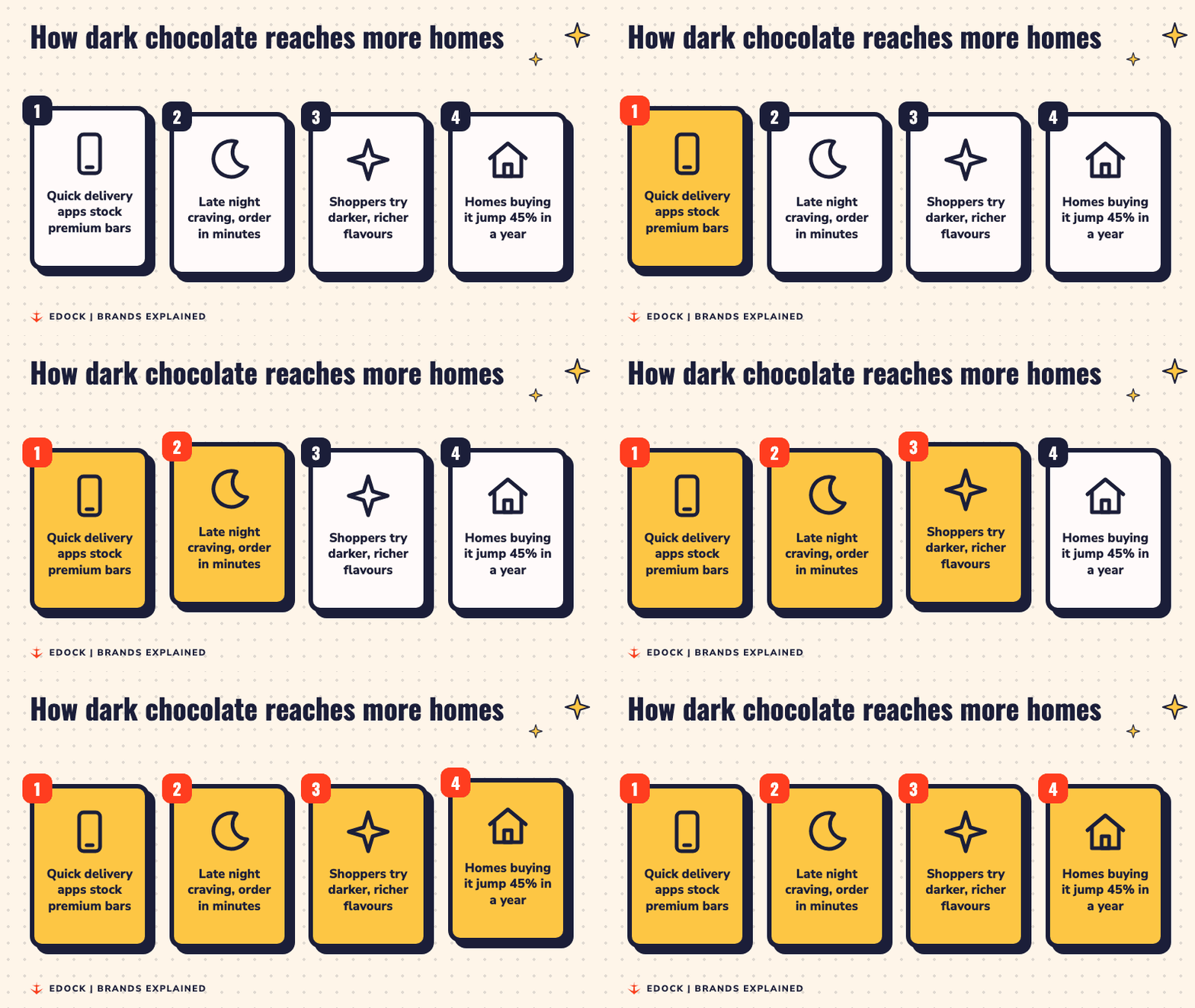
1. Ten-minute delivery apps. These are called quick commerce: apps that deliver groceries in about ten minutes. Mondelez India, the company behind Cadbury, said dark chocolate is a key growth area "fuelled by quick commerce", according to ET. A premium dark bar is often hard to find at a small local shop, but it is easy to add to an app cart.
A Business Standard report from March 2026 showed how strong this channel has become. Citing a Redseer report, it said quick commerce drove 50% of the extra growth in chocolates in 2024-25. Online sales rose from 9% of all chocolate sales in calendar year 2024 to 13% in 2025. Buyers also paid 10 to 15% more for chocolates on these apps, because getting it right now is worth extra to them.

2. Late night cravings. The same Business Standard report said premium chocolate brand Smoor gets about 23% of its orders after 9 pm. ITC said its Fabelle dark and no-added-sugar variants were finding favour with late night buyers on these apps.
3. Bigger pockets and bigger dreams. Hemant Malik, chief executive of ITC Foods, told ET that rising incomes, aspirations and greater awareness are changing what people like to eat. He compared it to coffee, where many people moved from cheap instant powder to fancier cafe drinks. This shift to pricier, better versions of everyday things is called premiumisation. It is like moving from a roadside cutting chai to a cafe latte once your pocket money grows.
4. A "healthier" image. Zoher Kapuswala, marketing head at Ferrero Rocher India, told ET that dark chocolate is growing 3.8 times faster than the overall chocolate category, which he linked to health-conscious buyers and people trying new things. That is how the companies describe their buyers. It is a sales trend, not a health claim.
The brands fighting for the shelf
Big and small makers want a piece of this. A guide by Indian Retailer lists five names that shoppers see more often now: the imported Lindt, Smoor from Bengaluru, ITC's Fabelle, Mason and Co from Auroville, and Paul and Mike, which uses cocoa from Indian farms.
The same guide says some shoppers are trading up to bars in the Rs 300 to Rs 600 range. It also gives a simple price ladder: mass brands cost roughly Rs 1 per gram, while speciality and imported bars can cost Rs 5 per gram or more. So a fancy bar can cost five times as much per gram as a regular one.
Global giants are moving too. In September 2026, Ferrero India launched premium bars, including a 70% Cocoa Hazelnut bar. The 90 gram bars were priced at Rs 499 and went on sale first on quick commerce apps, with big stores in key metros to follow.
India still eats very little chocolate
Here is the most surprising part. Even with all this growth, an average Indian eats only about 200 grams of chocolate a year. In the UK, the figure is more than 10 kg per person. That means a person in the UK eats roughly 50 times as much chocolate as a person in India, or even more.
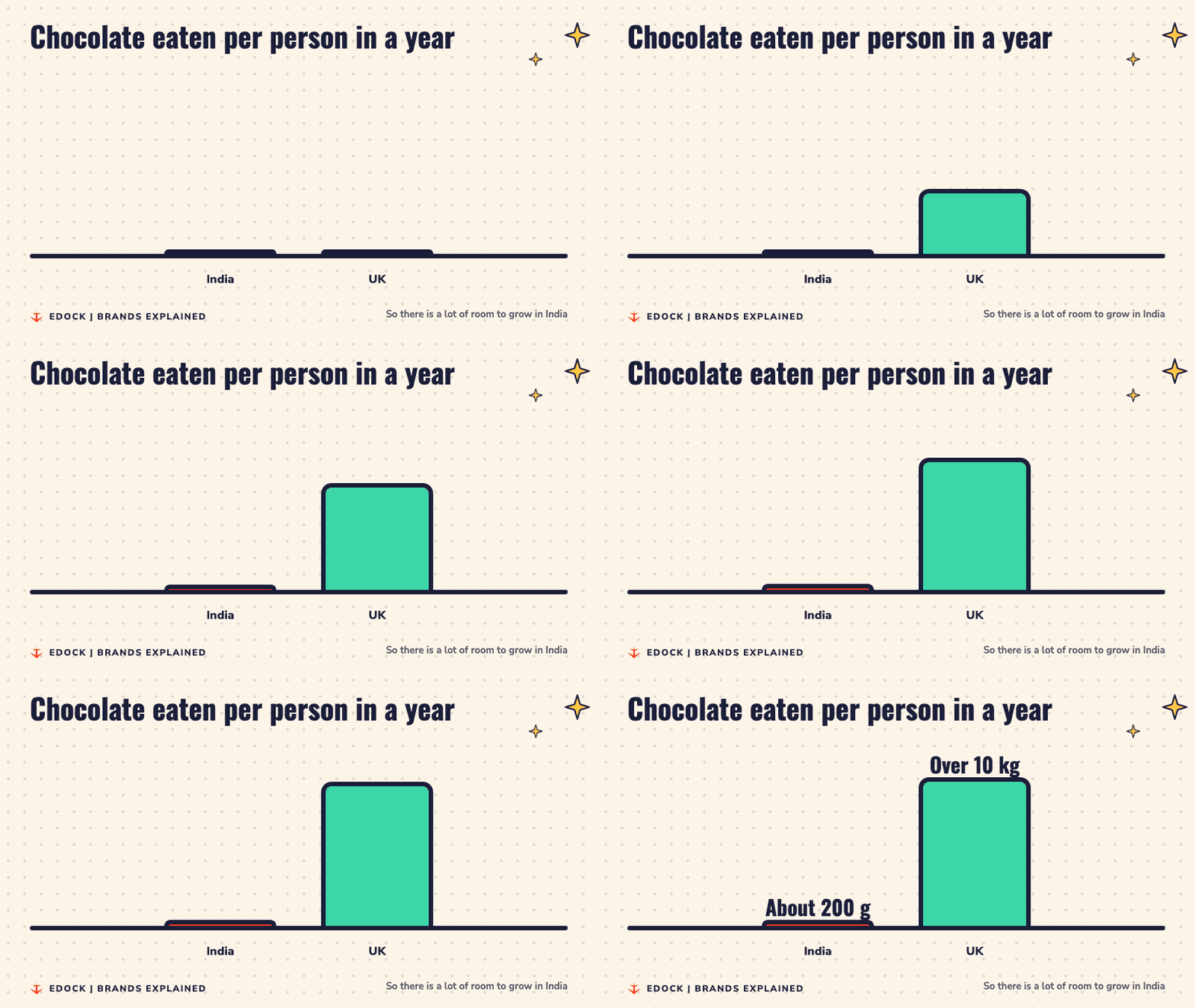
For companies, this gap is like an empty cricket ground before a big match. The seats are there; they just need to fill them. Menon of Worldpanel by Numerator said that if the trend continues, dark chocolate could become an increasingly important growth driver for the wider chocolate market.
Why this matters to you
This story is a small window into how Indian shopping is changing. Three things stand out.
- Apps decide what we try. When an app shows a product late at night, people buy it even if the local shop does not stock it.
- People pay more for "better". Many young buyers are happy to spend extra on a small treat that feels special.
- Cities lead, villages follow later. Price and reach still keep premium products mostly in big cities.
If you ever want to work in marketing, sales or a food company, this is exactly the kind of data teams study. One number, like a 45% jump in homes buying a product, can shape what new flavours get made, where they are sold and how much they cost.
Sources
- The Economic Times: Indians develop a taste for dark chocolate as household demand jumps 45%
- Business Standard: When night falls, chocolate indulgence sweetens India's qcom sales
- Indian Retailer: Top 5 premium dark chocolate brands rising in India's retail market
- The Economic Times: Ferrero India enters premium chocolate bar segment
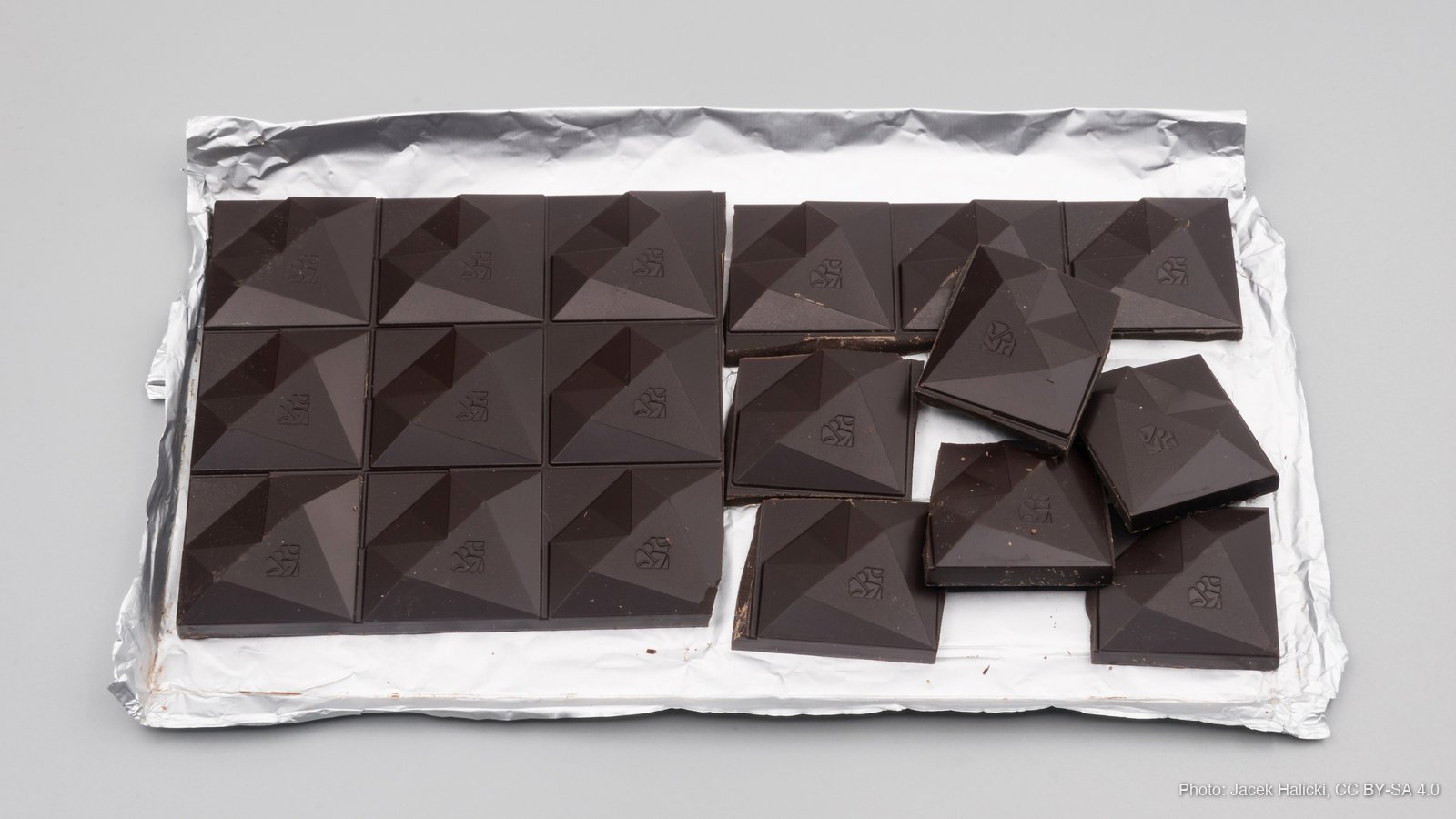
- Cover photo: Dark chocolate, by Jacek Halicki, CC BY-SA 4.0

You may republish this story under CC BY 4.0: credit Manpreet Kaur and link to this page.