Cricket Australia earned a record A$601.1 million, thanks to the Ashes and India
The board went from a loss to an A$81.8 million surplus, but expects losses for the next two years as the big home series move away.
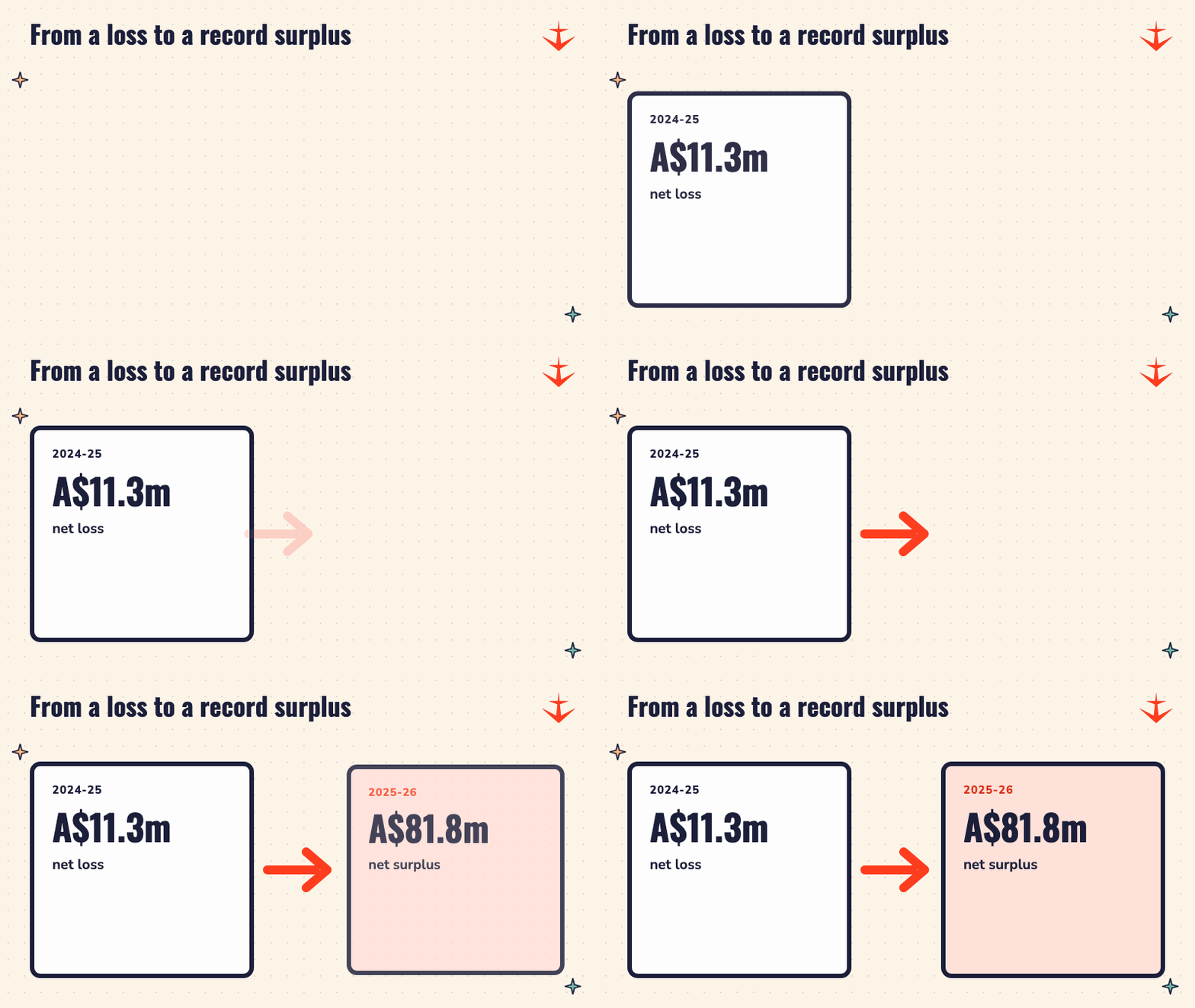
Picture a cricket board that lost money one year and then made a record pile of cash the very next. On Wednesday, 28 October 2026, Cricket Australia released its annual report for 2025-26. The board earned a record A$601.1 million in revenue and kept a net surplus of A$81.8 million. A big part of the reason was India.
Here is the twist. The same board now says it expects to lose money in each of the next two years. So how can a record year be followed by losses? The answer tells a lot about how cricket makes money.
First, what do these words mean?
Revenue is all the money that comes in. Think of a samosa stall. Every rupee customers pay for samosas and chai is revenue.
A net surplus is what is left after paying every bill. For the stall, that means after paying for potatoes, oil, rent and the helper. Cricket Australia calls this money a "surplus".
The money is in Australian dollars, written as A$. In 2025-26 the board's revenue was equal to about $423 million in US dollars, and the surplus to about $57 million.
From a loss to a record year
Just one year earlier, the picture looked very different. In 2024-25, Cricket Australia had a net loss of A$11.3 million. That means the stall spent more than it earned.
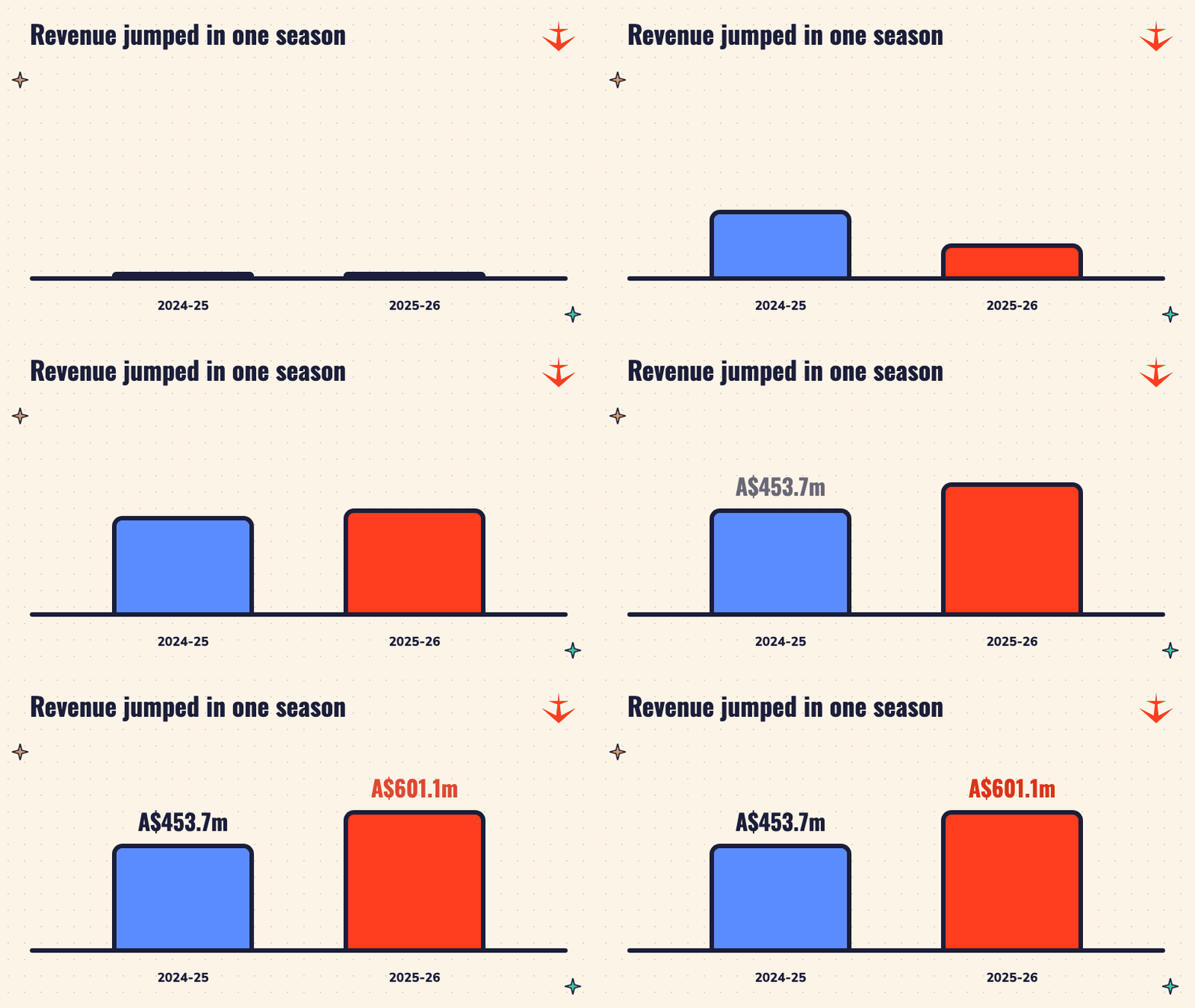
Revenue also grew fast. In 2024-25, total revenue was A$453.7 million. In 2025-26, the board took in A$601.1 million. That is A$147.4 million more, or roughly one third more, in a single season.
Where does a cricket board's money come from?
A cricket board earns money in three main ways.
- Media rights. TV channels and streaming apps pay the board to show matches. This is a big money maker.
- Match day money. Tickets, food and drinks sold at the ground.
- Commercial money. Sponsors who pay to put their names on shirts, boundary boards and the series itself.
In 2025-26 all three grew. Cricket Australia said the men's Ashes against England and the men's white-ball series against India brought record media rights, commercial and match day revenue. Commercial revenue alone rose by A$30 million on the year before.
The board's home TV deal with Foxtel and Seven West Media is worth A$1.512 billion over seven years, running until the end of the 2030-31 season.
Why an India tour is gold for other boards
Here is the key rule. For a series between two countries, the home board handles the overseas broadcast deals. So when India visits Australia, Cricket Australia gets to sell the right to show those matches abroad, including to viewers in India. It is like a samosa stall in a small lane suddenly getting a busy cricket crowd walking past for two weeks.
The fans showed up in the stands too. Cricket Australia's season review found that 99 per cent of the tickets available for the men's ODI and T20 matches against India were sold. India played in Australia in October and November 2025. Australia won the ODI series 2-1, and India won the T20 series 2-1.
This official highlights video shows the third ODI of that India series in Australia.
The Ashes packed the stands
The other big earner was the Ashes, the famous Test series between Australia and England. Australia kept the Ashes with a 4-1 win at home.
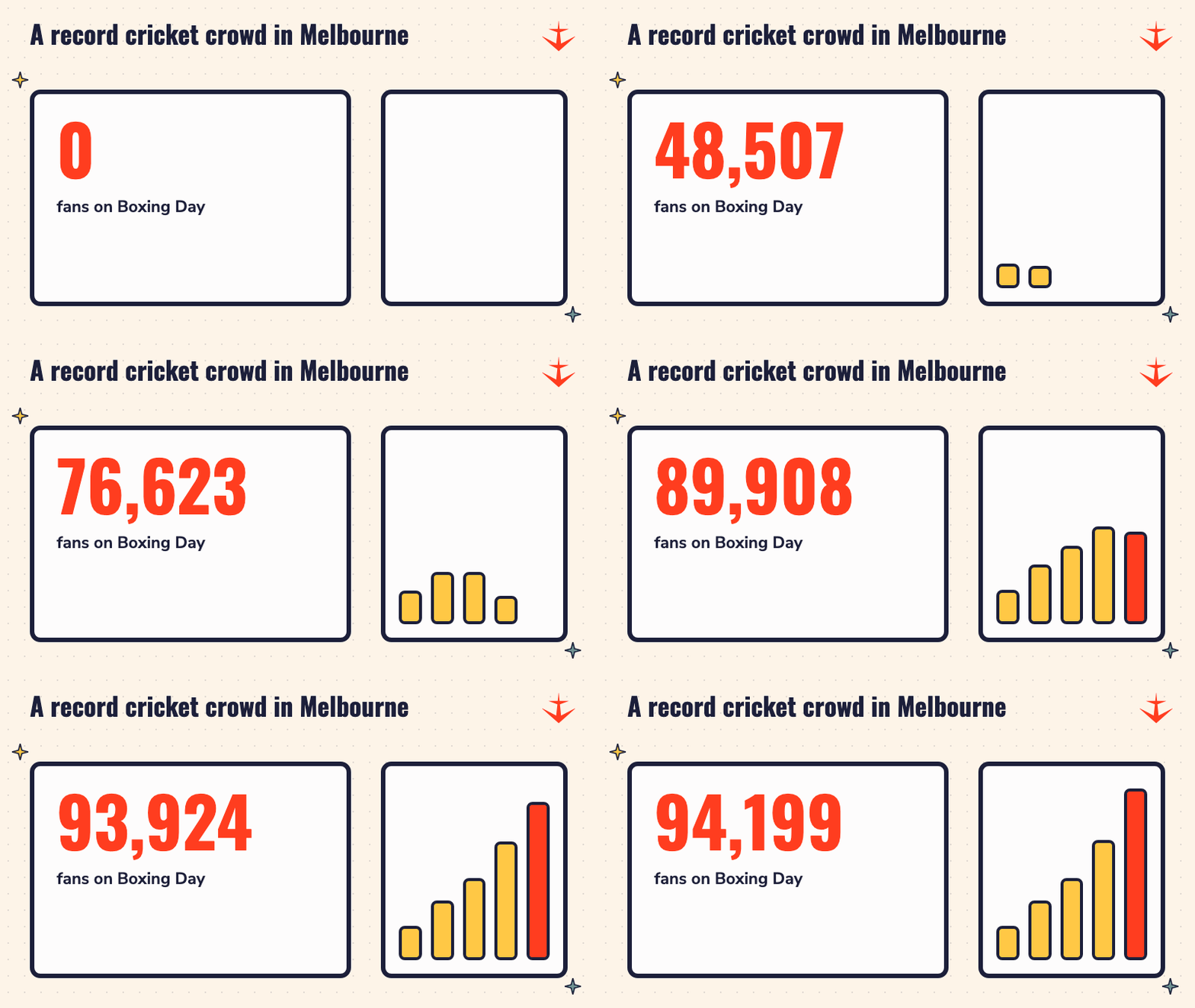
Nearly 8.6 lakh fans came to watch the Ashes over 18 days of cricket, an average of 47,754 a day. On Boxing Day, the Melbourne Cricket Ground saw a crowd of 94,199, its greatest cricket attendance. Cricket Australia said this was the largest crowd for a cricket match in Australia.
The Sydney Cricket Ground also had a new Test record total, with 211,032 people over five days. On TV and streaming, the Ashes drew a daily average audience of 1.763 million viewers, the most viewed series since Foxtel and Seven began showing matches together.
Even a record year had a leak
Not everything went to plan. Two Ashes Tests, in Perth and Melbourne, ended in just two days each. A Test is meant to last five. Fewer days mean fewer tickets, less food sold and fewer hours of TV.
Cricket Australia's chief executive Todd Greenberg said: "The record revenue and large forecast surplus represents an excellent performance in a year in which we faced considerable challenges including the revenue lost due to the two-day Ashes Tests in Perth and Melbourne."
This video, made after the first of those Tests, looks at the money Cricket Australia lost when the Perth Test finished in two days.
So why are losses coming next?
Cricket money moves in a cycle. The Ashes and an India visit do not happen at home every year. They follow the international touring schedule. Think of a shop that gets Diwali sales only once every few years. In the Diwali year, the till overflows. In the other years, the shop still pays rent and salaries.
That is why Cricket Australia expects losses in 2026-27 and 2027-28. It blamed a "cyclical decline in media rights and match revenues in line with the international touring schedule."
Mike Baird, who has now stepped down as chair, said the record was "in large part due to the cyclical nature of our revenue from the Ashes and India Men's white ball series".
The swing between years is not new. A year earlier, when the 2024-25 loss was announced, the board's finance chief Sarah Pragnell said: "The Ashes and India white-ball content in FY26 is expected to deliver significant profit to CA." That is what happened.
How the board plans to get through the lean years
Like a family saving pocket money for a rainy month, Cricket Australia ended the year with A$87.5 million in cash and term deposits. The board says this will support the losses forecast for the next two years.
It also gave A$126.8 million to its state and territory members, up A$5.8 million. The board said this shows its support for the growth of cricket across Australia.
There is a new idea too. The board is moving ahead with a plan to let private investors put money into Big Bash teams, its domestic T20 league, much like owners buy IPL teams in India. It is exploring private investment in the Melbourne Renegades.
What comes next for India fans
The cycle now turns. Australia will host England in a white-ball series from 13 November, then New Zealand for four Tests from 9 December. After that, the Australian men travel to India for a five-Test series starting on 21 January in Nagpur.
Under the same home board rule, India's board will handle the overseas broadcast deals for that series. One board's big festival season can be another board's quiet year.
Sources
- Connected to India: Ashes, India series drive Cricket Australia to record revenue
- Business Standard: Ashes, India series drive Cricket Australia to A$81.8 million surplus
- South Asia Times: Cricket Australia posts record revenue and surplus
- Yahoo Sports (AP): Ashes, India series result in record revenue, net surplus
- Flashscore: Cricket Australia reports loss despite India home series
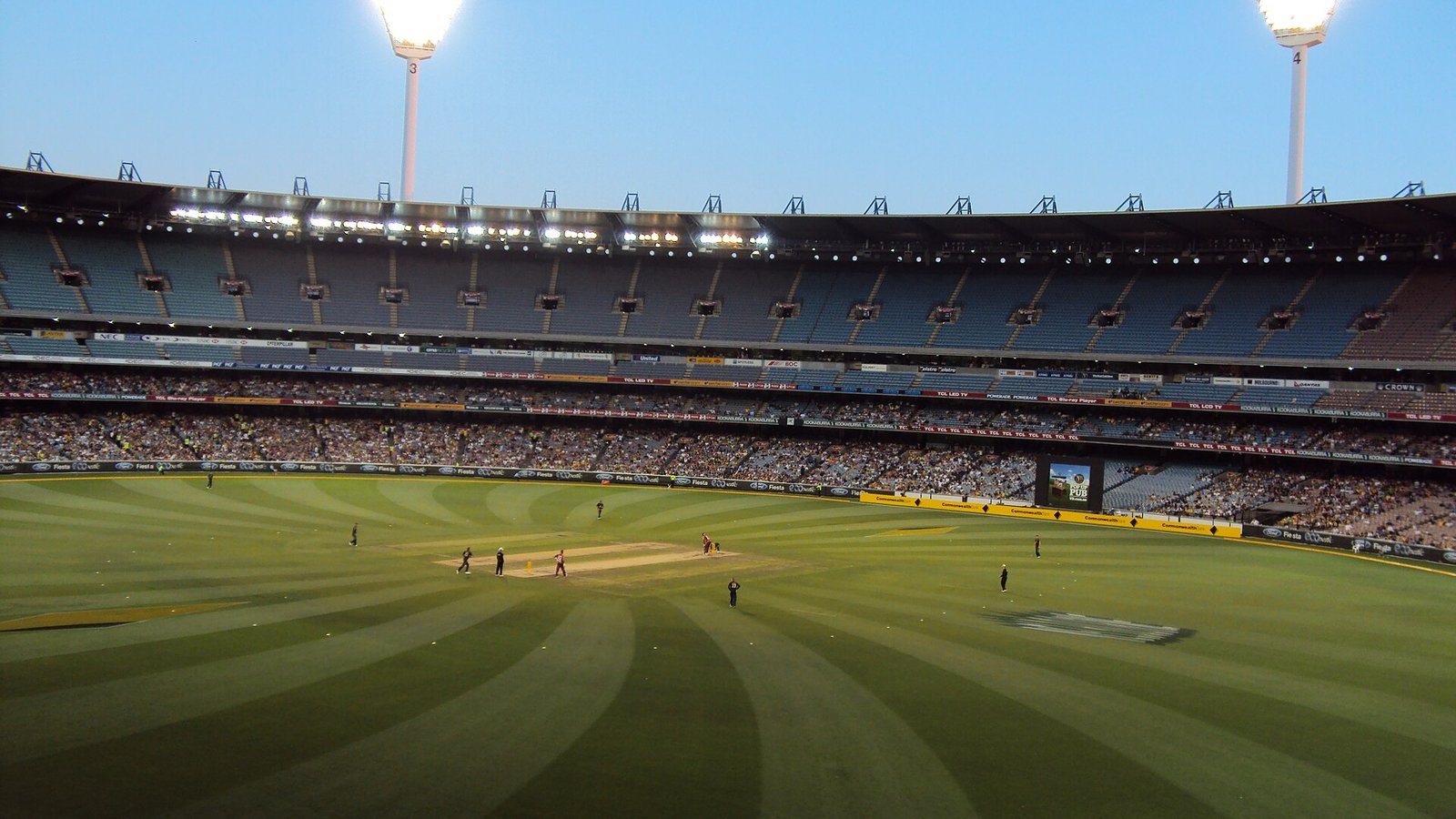
- Cover photo: One Day International match at the Melbourne Cricket Ground under floodlights, by Pattav2, public domain
You may republish this story under CC BY 4.0: credit Manpreet Kaur and link to this page.