Coal India spent Rs 7,966 crore in six months to dig and move more coal
India's biggest coal miner spent 27% more than a year ago on land, rail lines and giant machines, as power plants and cement makers wait for coal.

Picture a company that spends about Rs 43 crore every single day, not on salaries or diesel, but on land, railway tracks and machines as big as a house. That is what Coal India, the government-owned miner based in Kolkata, did between April and September 2026.
On Tuesday, 27 October 2026, Coal India told the stock exchanges in a press release that the company spent Rs 7,966 crore on building for the future in these six months. A year earlier, in the same months, it had spent Rs 6,283 crore. That is a jump of 27%.
Why should a young reader in Pune or Patna care? Because Coal India digs over 80% of the coal mined in India. And coal is still what keeps a lot of fans, lights and factories running.
First, what is capex?
Think of a samosa stall. Every day the owner buys potatoes, oil and flour. That is everyday spending. It is gone by the evening.
Now one day he buys a bigger kadhai and a second stove. He pays once, but he can fry more samosas every day for years. That one-time spending on things that help you earn more later is called capital expenditure, or capex for short.
Coal India's kadhai is much bigger. Its capex buys land for new mines, giant dumper trucks, railway lines and loading plants. More of these means more coal can be dug and sent out.
Did Coal India stick to its plan?
Yes, and then some. The company had set a target of Rs 7,286 crore for April to September. It spent Rs 7,966 crore, which is 109% of the plan, The Economic Times reported.
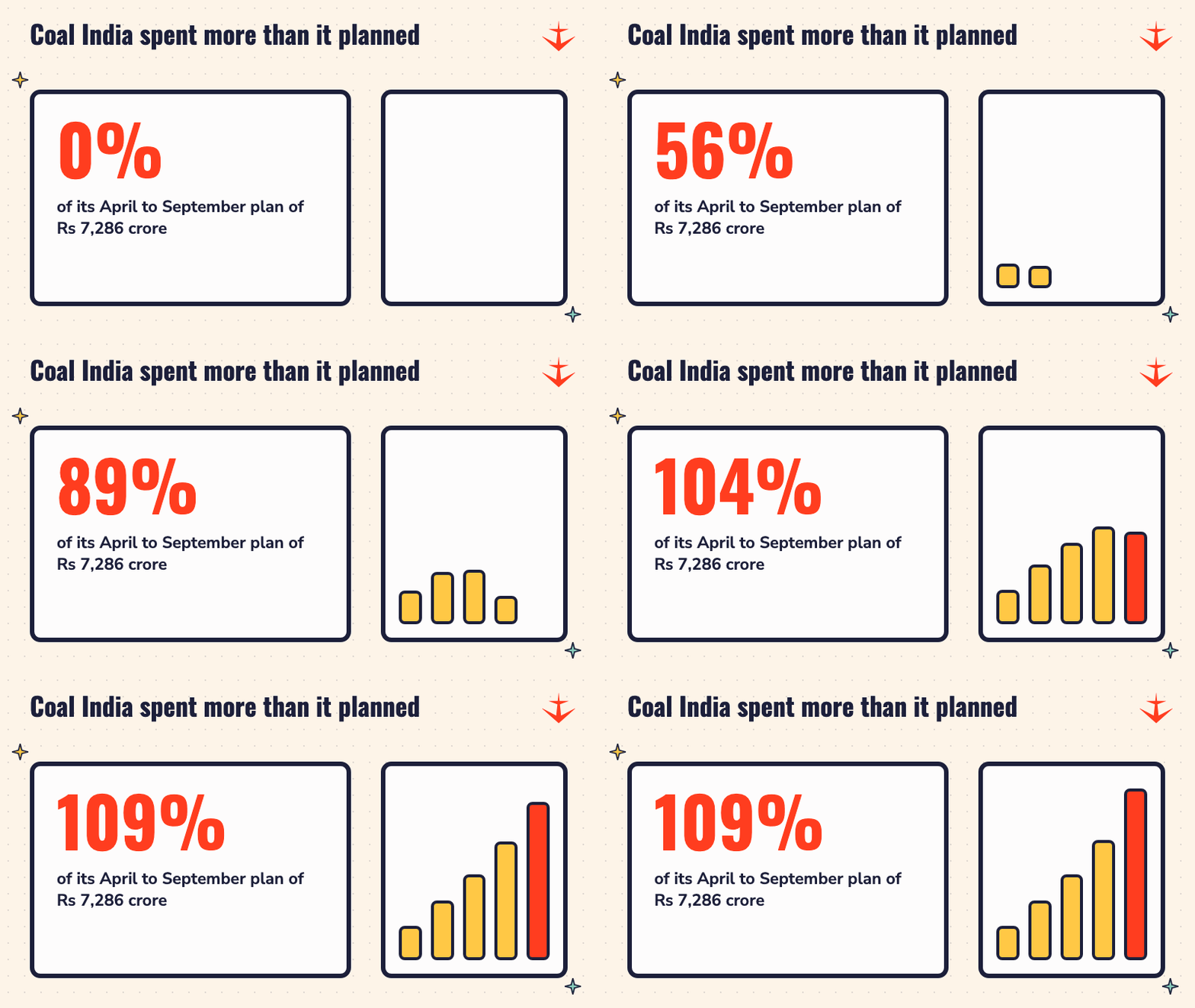
For the full year, from April 2026 to March 2027, the target is Rs 16,500 crore. So in half the year, the company has already done over 48% of the job.
The speed also picked up as the months went on. In April to June alone, Coal India spent Rs 3,399 crore, just above its target of Rs 3,349 crore, Business Standard reported in July. Take that away from the six month total and July to September comes to about Rs 4,567 crore.
One small note: Business Standard's headline on the six month number says Rs 7,996 crore. Coal India's own release says Rs 7,966 crore, and that is the number used here.
Where did all that money go?
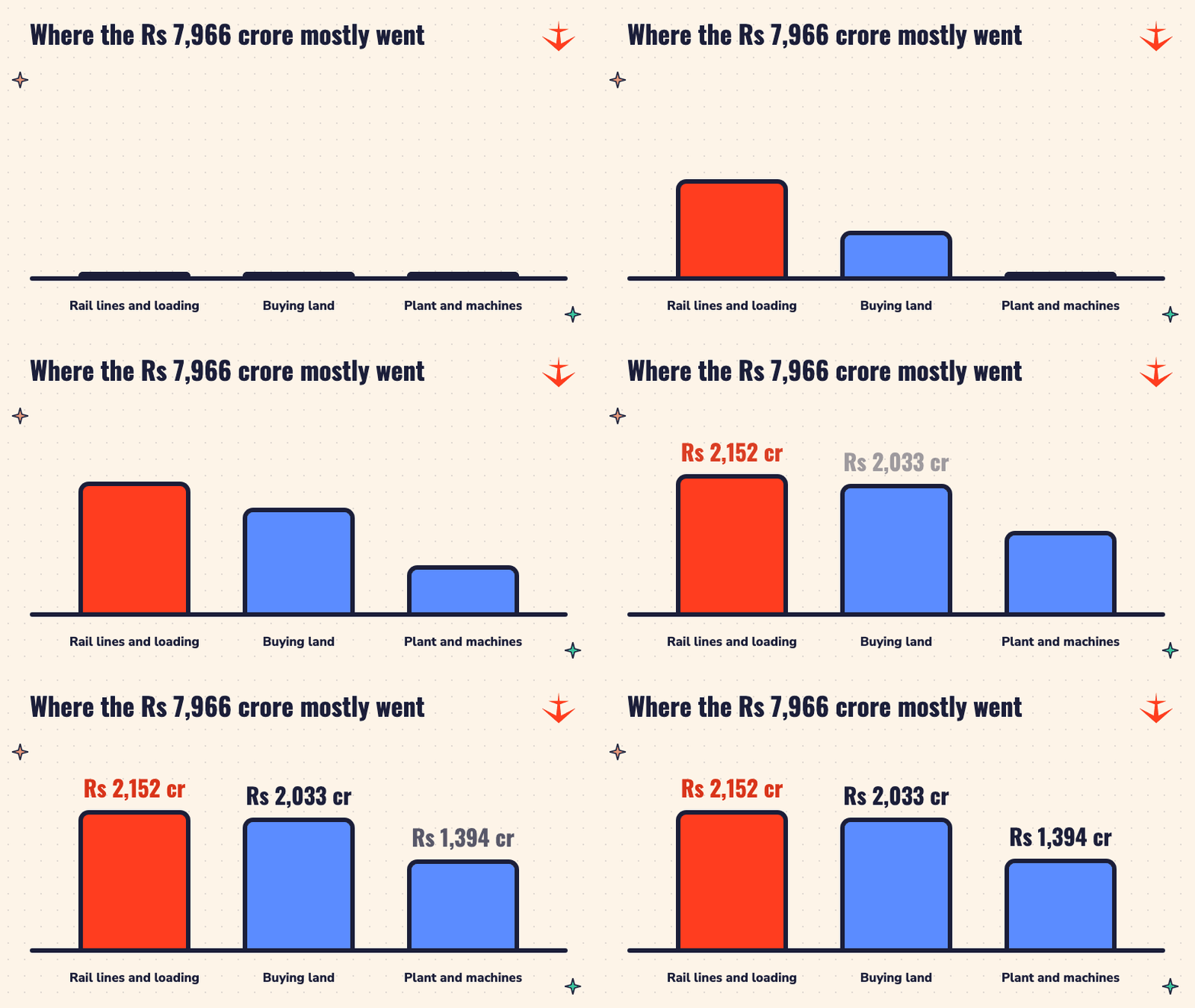
The biggest slice, Rs 2,152 crore, went into what the company calls mine infrastructure. In simple words, this is everything that moves coal out of the mine:
- Railway sidings and corridors: a siding is a short side track where a goods train can stop and be filled, like a parking bay for trains.
- Coal handling plants and silos: a silo is a giant tall bin. Coal is stored in it and then poured into train wagons from above.
- Weighbridges: a huge weighing scale that a whole truck drives onto, so everyone knows how much coal is being sent.
The second biggest slice, Rs 2,033 crore, went into buying land. Over Rs 1,000 crore more was spent on getting mines ready to dig.
Then came Rs 1,394 crore on plant and machinery. Out of this, Rs 452 crore was spent on heavy earth moving machines, the giant shovels and dumpers that scoop out coal and soil.
Coal India also put over Rs 739 crore into newer areas: solar power, critical minerals, turning coal into gas, and power plants. Mine infrastructure, machines, land and these new projects together made up over 79% of all the spending, the company said.
Why is so much going into land?
Coal sits under the ground. If you do not own the ground on top, you cannot dig. In July, the company explained that mining projects cannot start or grow without land, however much coal lies below, Business Standard reported. That is why land got the biggest yearly target of all: Rs 4,173 crore for 2026 to 2027.
What does this have to do with power cuts?
This year, coal has been running tight at power plants. Long spells of heavy rain in July and August left some deep mine pits under water and made coal wet and sticky to handle.
On 4 September, 57 power plants had critically low coal stocks, according to government data reported by the coal news site SXcoal. All the plants together held 27.1 million tonnes, just 47% of the 57.7 million tonnes they were supposed to keep.
Things got better in October. Supplies to power plants were about 9% higher than in September, the coal ministry said, as reported by Telangana Today. Railways loaded over 465 rakes a day on average (a rake is one full goods train). The ministry pushed back on reports of a power shortage risk, and also said plants had not yet started building their stocks back up.
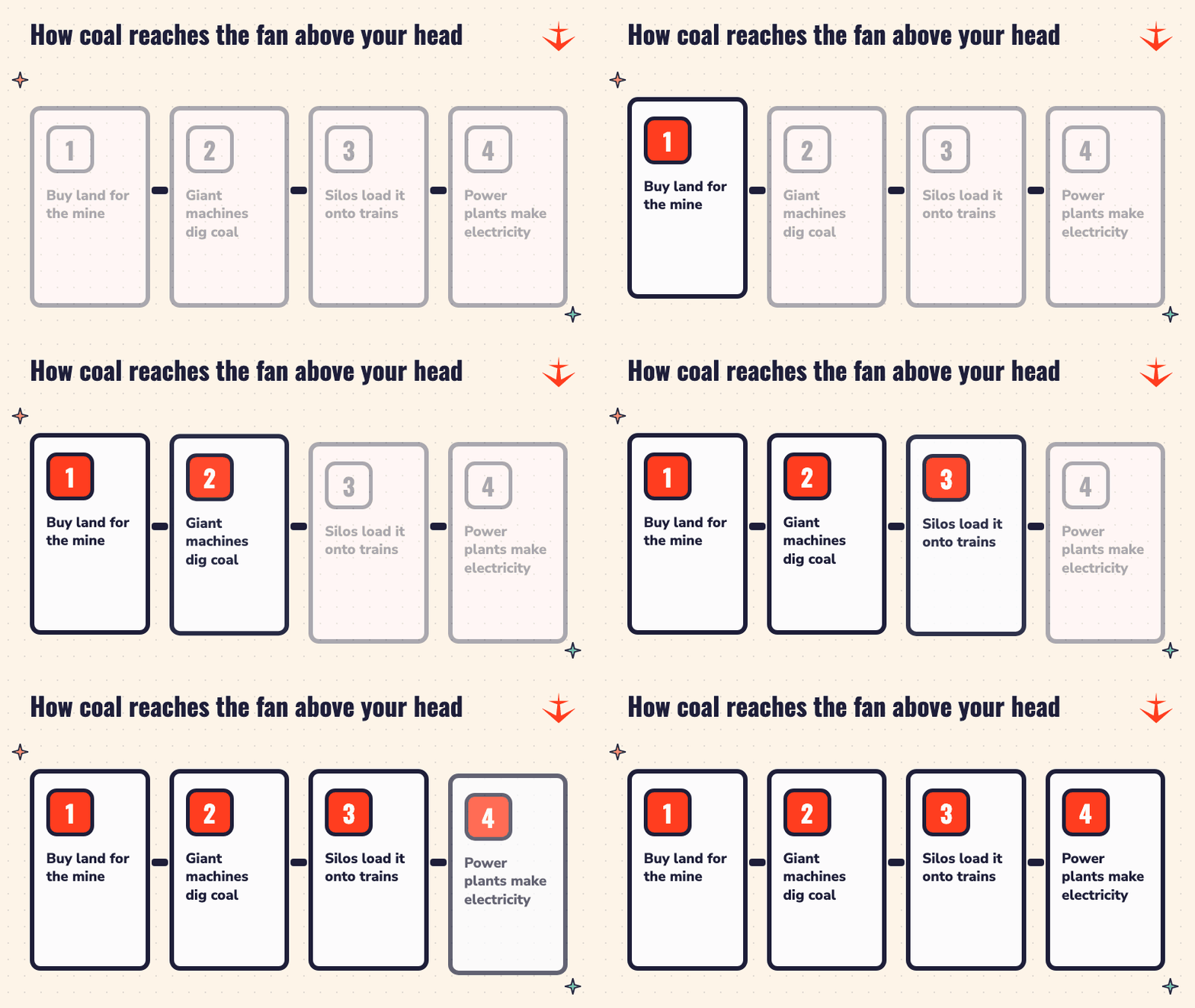
Here is the link. Coal lying in a mine does not light a single bulb. It has to be dug, loaded and carried to the power plant, often by train. The money Coal India is putting into sidings, silos and machines is meant to make that journey faster.
Who else is feeling the coal pinch?
Not just power plants. On the same day, the cement maker ACC said its July to September quarter was hit by monsoon, high energy costs and limits on how much coal it could get at home, Business Standard reported. ACC said it hopes better cement prices will soften the hit from costly fuel.
So a coal crunch is not only a power plant problem. As ACC's numbers show, it also squeezes the companies that make cement for new homes, roads and bridges.
See a giant coal mine at work
This video tours the Gevra open cast mine in Chhattisgarh, which the video calls the biggest open cast coal mine in Asia, and shows how coal is dug and loaded.
What comes next?
Coal India still has more than half of its Rs 16,500 crore yearly target to spend before March 2027. The coal ministry has said steady train loading should help power plants refill their stocks ahead of the festive season, winter and next summer.
The company, which had 220,272 employees in March 2025, says these investments should help the company reach its digging and supply targets for this year. For everyone else, the real test is simple: does the fan keep spinning and the factory keep running when demand peaks?
Sources
- Coal India press release filed with NSE, 27 October 2026
- The Economic Times: Coal India's H1 capex rises 27% to Rs 7,966 crore
- Business Standard: Coal India H1 FY27 capex
- Business Standard: Coal India's Q1 capex rises 16% to Rs 3,399 crore
- Business Standard: ACC Q2 results
- Telangana Today: Coal supply to power plants gathers pace in October
- SXcoal: CIL allows extra coal lifting as 57 thermal plants face critical stocks
- Wikipedia: Coal India
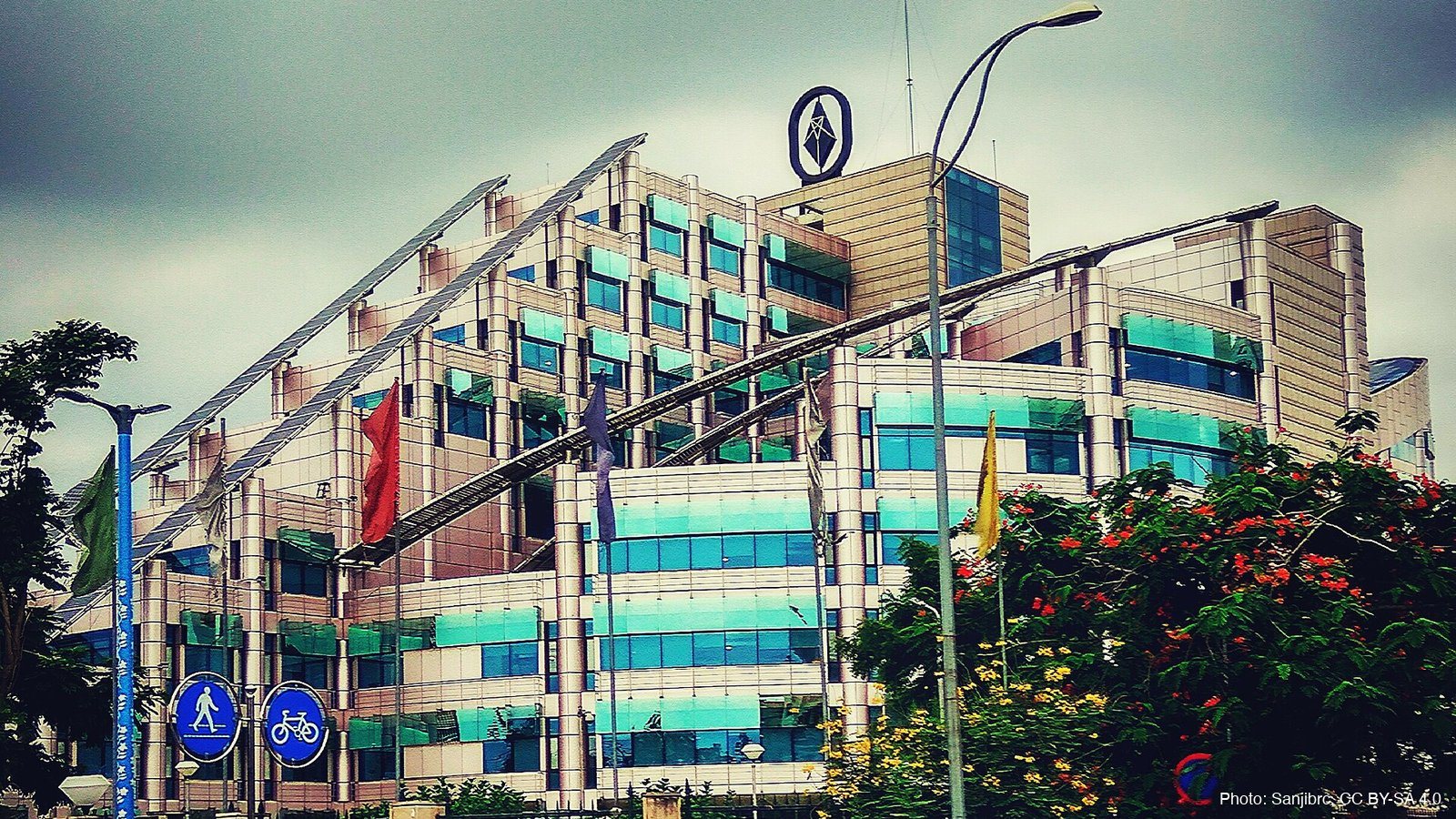
- Cover photo: Coal Bhawan, Newtown Rajarhat, Kolkata, by Sanjibrc, CC BY-SA 4.0

You may republish this story under CC BY 4.0: credit Arshdeep Singh and link to this page.