Amazon's new $75 AI gadget listens to your day and writes your to-do list
Amazon's Bee team launched the Bee Frontier and Bee Eclipse. Here is what they do, how they make money, and how they handle privacy.
Picture this. You chat with friends about a movie plan for Saturday. Nobody writes anything down. But later that evening, a calendar invite pops up on your phone with the date and time you all agreed on. That is the promise of Amazon's new Bee gadgets, which the company's Bee team introduced on Thursday, 15 October 2026, as TechCrunch reported.
There are two new devices, and they start at $74.99. Here is what they do, how Amazon plans to make money from them, and the big question everyone asks about gadgets that listen.
Wait, what is Bee?
Bee was a small startup that made an AI wearable for your wrist. In 2025, Amazon agreed to buy it. Back then, Tom's Guide reported that Bee's CEO Maria de Lourdes Zollo announced the deal on LinkedIn, and that Bee's first device cost $49.99.
At CES 2026, Amazon showed Bee, the big gadget fair in Las Vegas. Storyboard18 reported that the Bee team, eight people at the time, had become part of Amazon's San Francisco operations.
The two new gadgets
- Bee Frontier, $74.99: the next version of the original. You can wear it on your wrist or pin it to your clothes. It is water resistant, its battery lasts up to seven days, and it charges with USB-C, according to TechCrunch.
- Bee Eclipse, $99.99: a credit-card-sized device that sticks to the back of your phone with a magnet.
Both have just one button, to turn them on and off, and a small light that shows when they are summarising a conversation. TechCrunch says the Frontier is available now on Amazon, and the Eclipse will follow soon.
So what does it actually do?
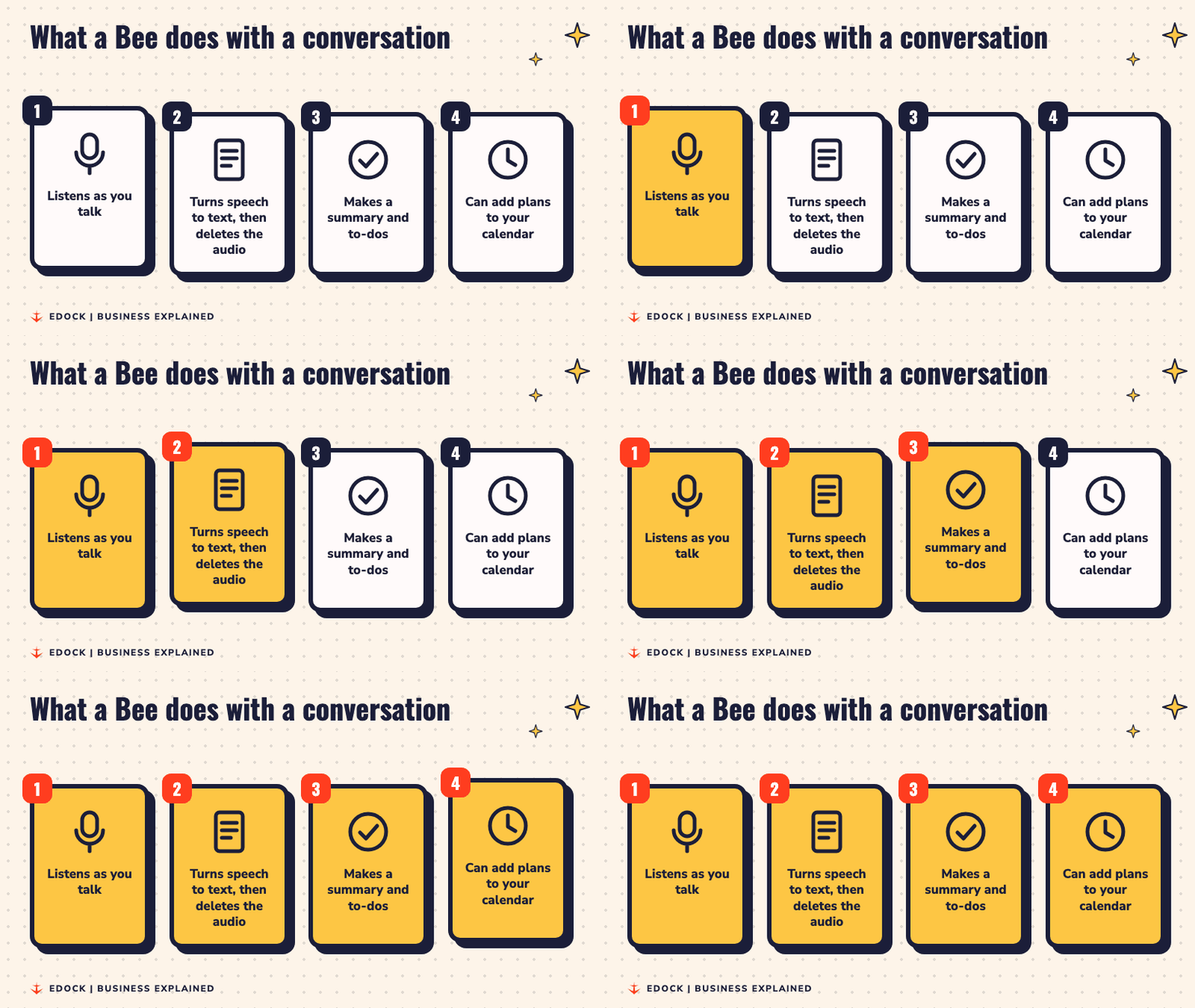
Bee listens to the conversations around you and uses AI to turn them into notes, to-do lists, summaries and reminders. TechCrunch gives examples like taking lecture notes in class, or remembering the plan you made with friends and turning it into a calendar invite.
It also connects to apps you may already use, like Gmail, Google Calendar and Microsoft Outlook, so it can draft emails and set up meetings. With Amazon's own services, you can even shop on Amazon or ask Alexa for your Bee notes, hands-free.
How does Amazon make money from this?
Two ways. First, it sells the device. Second, it offers an extra paid plan.
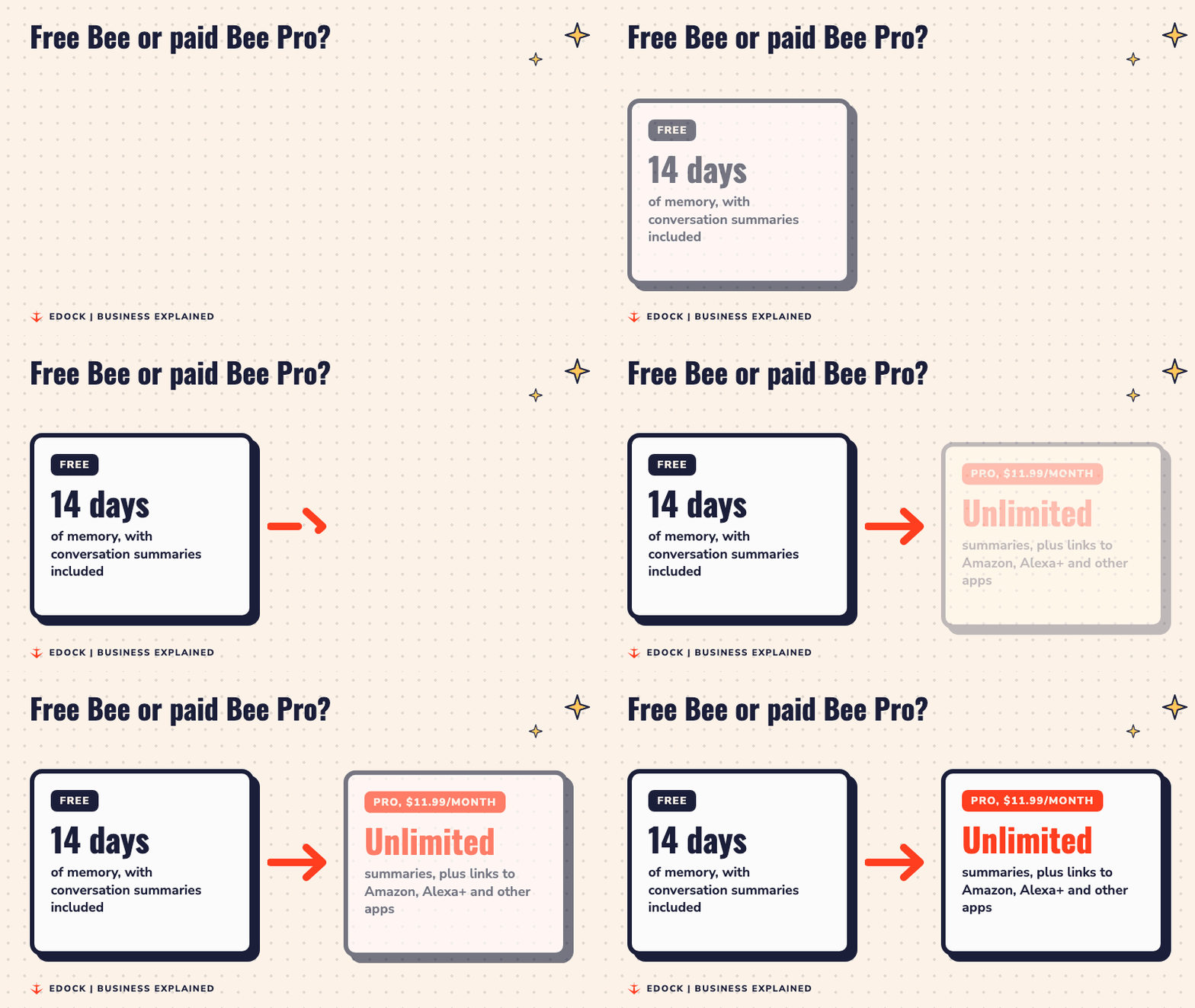
Every Bee can make conversation summaries for free and keeps 14 days of memory. For $11.99 a month, Bee Pro gives unlimited summaries, suggested to-dos, daily memories, a personal chat assistant and links with Amazon, Alexa+ and other apps.
This is called a freemium model: the basic version is free, and you pay for the fancy extras. It is like a free cricket app that shows live scores to everyone, but asks for a monthly fee to watch the full match replays.
Cheaper than its rivals
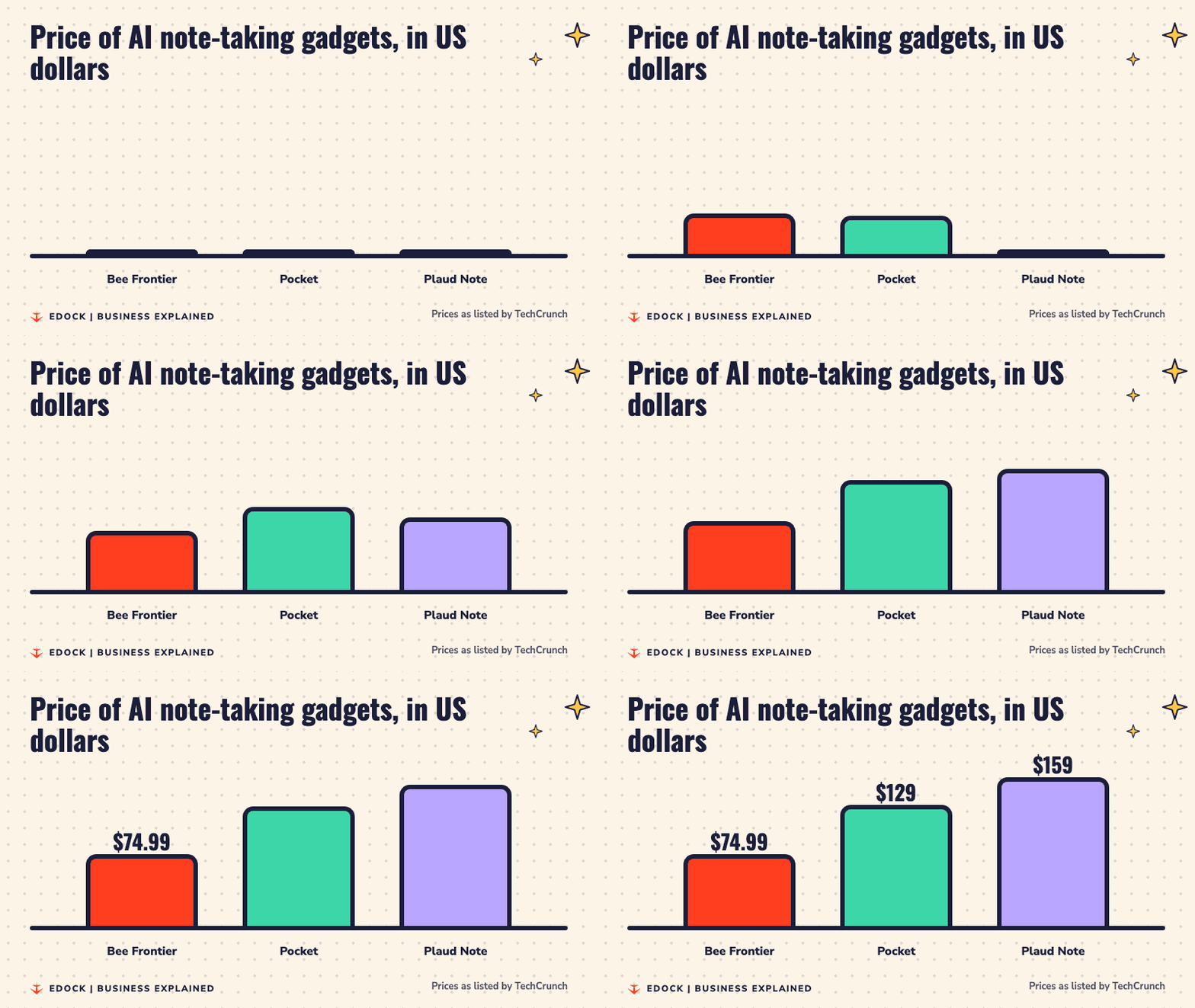
Bee is not alone. Other AI note-taking gadgets already exist. TechCrunch lists the Plaud Note at $159 (or $189 for the Pro) and the Pocket device at $129. At $74.99, the Bee Frontier costs less than half of the Plaud Note.
In business, this is a pricing strategy: entering a market at a lower price than rivals so more people try your product. Bee also has other ways to earn: the monthly plan, and shopping on Amazon, which TechCrunch says users can do through Bee.
The big question: what about privacy?
A gadget that listens all day makes many people nervous. So how does Bee handle it? According to TechCrunch:
- Bee does not store the raw audio. Sound is processed in real time and then deleted.
- The written transcripts are encrypted, which means scrambled into a secret code. The keys to unlock them are created and controlled by your device.
- So, TechCrunch says, no one else, including Amazon employees, can read those files unless you choose to share them.
- Linking Bee with Alexa's voice recognition is optional, and you can delete transcripts and summaries at any time.
Storyboard18 adds a catch from the CES version: since audio is thrown away after it is turned into text, Bee is less useful if you want to play a recording back.
Here is one YouTube creator's take on whether Bee is a smart assistant or a privacy worry:
Who is it for?
At CES, Amazon pointed to some early uses: students recording lectures, professionals who want to skip manual note-taking, and older people who want help remembering things.
For a student, that sounds handy. But it also raises a fair point worth thinking about: if a gadget records a group discussion, everyone in the room should know about it.
The short version
Amazon's Bee team has launched the Bee Frontier at $74.99 and the Bee Eclipse at $99.99. Both listen to your conversations and turn them into notes, to-dos and reminders. The basic features are free, and a $11.99 monthly Pro plan unlocks more. Bee is priced well below rivals like Plaud and Pocket, and it says it deletes raw audio and encrypts transcripts. Whether people are comfortable wearing a listening gadget is the real test.
Sources
- Amazon's Bee launches two new personal AI devices, starting at $75, TechCrunch
- Amazon buys wearable AI startup Bee, Tom's Guide
- Amazon unveils Bee, a wearable AI companion, at CES 2026, Storyboard18
- Amazon's Bee AI wearable: smart assistant or privacy nightmare?, Tech Bard on YouTube
- Cover photo: Technology, by Florian-Media, CC0 1.0

You may republish this story under CC BY 4.0: credit Manpreet Kaur and link to this page.