Amazon's cloud grew 39%, yet AI building pushed $42.4 billion more cash out than in
Amazon's AI data centre spending turned its free cash flow negative, even as its cloud arm boomed and creators sold more.

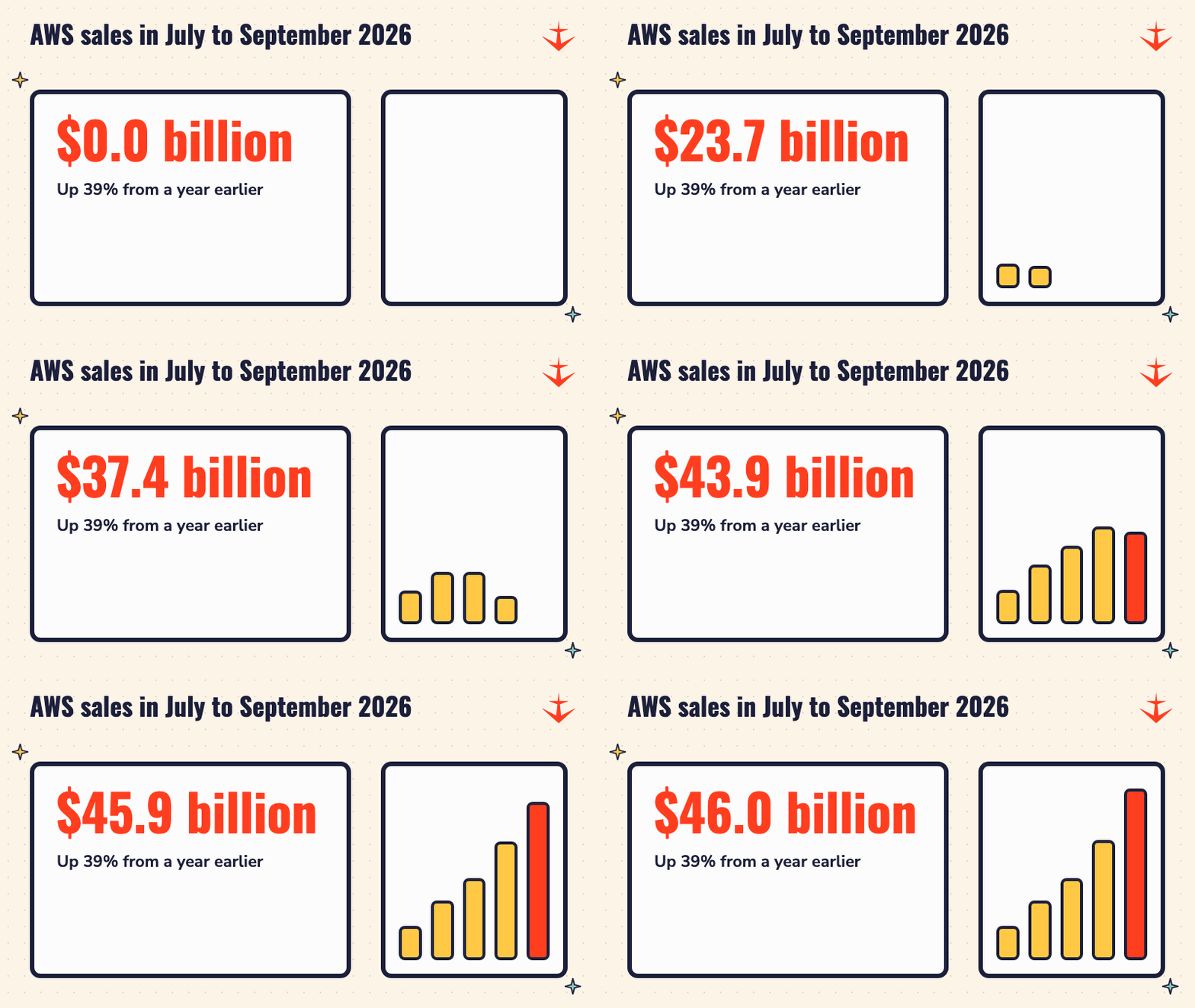
Amazon's cloud arm, AWS, just had its fastest growth in nearly five years. Yet over the past 12 months, $42.4 billion more cash left Amazon than came in. Amazon shared these numbers on 29 October 2026, US time (30 October in India), in its results for July to September.
How can a company sell more and still run short of free cash? The short answer is two letters: AI. Here is the story, one simple step at a time.
First, what is AWS?
AWS is Amazon's cloud business. "Cloud" sounds fancy, but the idea is simple. Instead of buying its own costly computers, a company rents computing power from Amazon over the internet. Think of how a home takes electricity from the grid instead of building its own power plant.
In July to September 2026, AWS sales grew 39% to $46.0 billion, the release said. That puts AWS at an annual run rate of $184 billion. A run rate simply means: if every quarter were as good as this one, the yearly total would be this much. It is like a samosa stall that sells Rs 1,000 a day saying it runs at Rs 3.65 lakh a year.
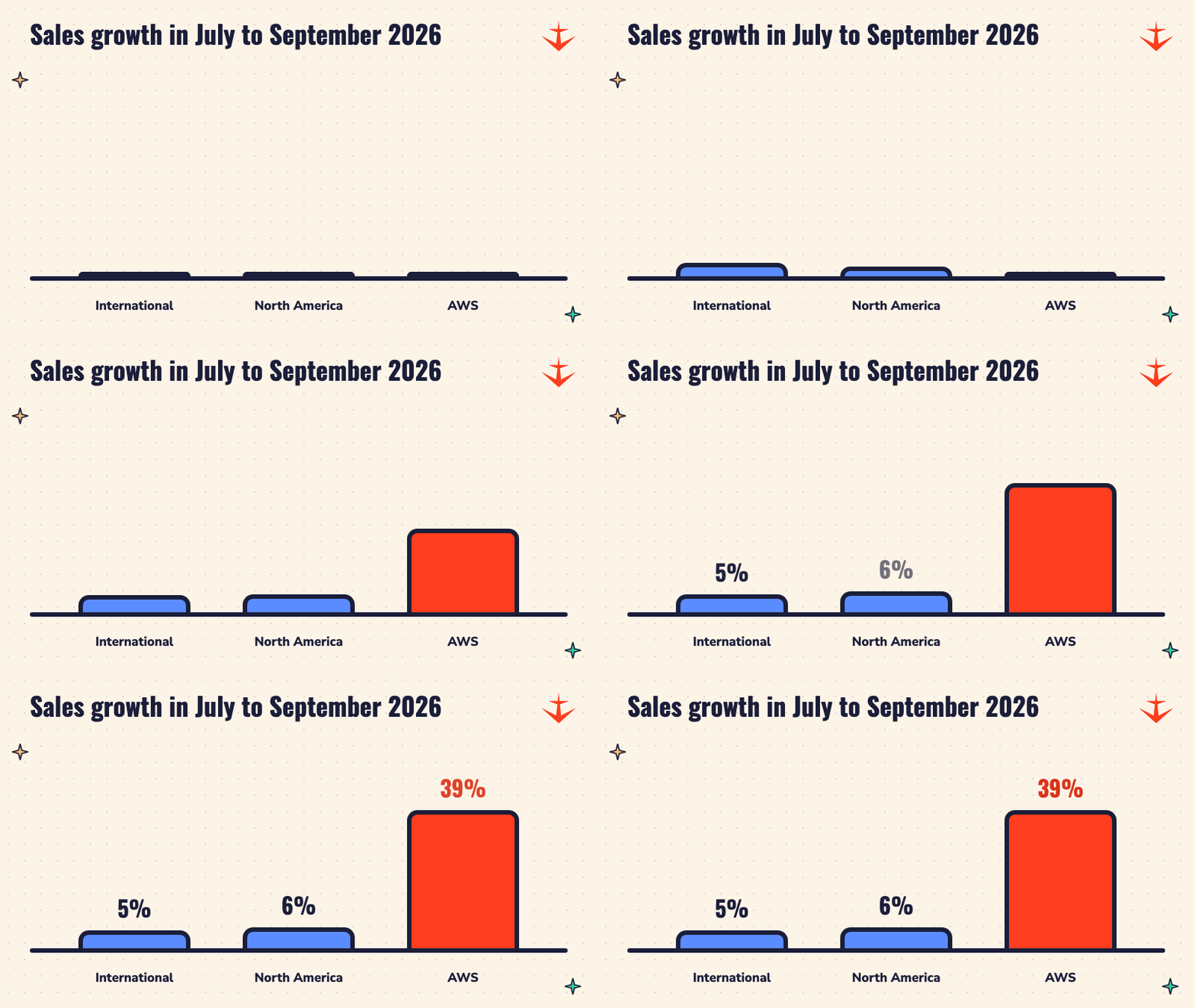
The rest of Amazon grew much slower. Sales in North America rose 6% to $112.9 billion, and international sales rose 5% to $43.1 billion. All of Amazon together sold $201.9 billion of goods and services, up 12%.
So where did the cash go?
Think of two kinds of money. Operating cash flow is the cash a business brings in from its daily work, like the money in a chai stall's box at night. Free cash flow is what is left after paying for big things that last for years, like a new stove or a bigger shop.
Amazon's operating cash flow over 12 months rose 29% to $168.3 billion. That is a lot of chai money. But spending on buildings, machines and land (Amazon calls this "property and equipment") jumped by $94.8 billion compared with a year earlier. So free cash flow swung from $14.8 billion coming in to $42.4 billion going out. Amazon's own release says the jump "primarily reflects investments in artificial intelligence."

Why spend so much before the money comes in?
AI tools need huge data centres: giant buildings full of special computer chips, cooling machines and power lines. Building them is like a restaurant knocking down walls and buying ten new ovens before the extra customers arrive. The kitchen gets bigger first, and the bills come first too.
Amazon expects to spend $220 billion on capital expenditure this year, Mint reported. Capital expenditure means money spent on long-lasting things like buildings and machines, mostly for AI here. On the call with analysts, Amazon's CEO said the company expects to spend "meaningfully more" in 2027, GeekWire reported.
Are the customers really coming?
Amazon says yes, and gives numbers. AWS has a backlog of $578 billion. A backlog is work that customers have already signed up and promised to pay for, but which has not been done yet. Think of advance bookings at a wedding caterer.
In Amazon's note from the earnings call, the CEO said the company is installing an AI accelerator, a special chip built to run AI work fast, about every 14 seconds. He added: "almost as fast as we install capacity, customers are gobbling it up."
AWS profit is rising too. Its operating income, the profit from its main work before interest and taxes, rose to $17.8 billion from $11.4 billion a year earlier. Amazon expects AWS sales to grow by over 40% in both 2027 and 2028.
Then why did Amazon's final profit dip?
Amazon's overall operating income rose to $28.1 billion. Its operating margin of 13.9% was the highest in its history. Margin means how much profit each sale leaves behind: here, about $13.90 for every $100 of sales.
But net income, the final profit after everything, slipped to $20.7 billion from $21.2 billion. Amazon says the dip came mainly because a year earlier it booked gains of $9.5 billion from its investments in Anthropic, an AI company. That made last year's number look bigger. Revenue and profit also came in a little below what analysts had forecast, Mint noted.
The other bet: creators who sell
While AWS builds, Amazon's shopping side is betting on creators, the people who post videos and reels about products. Nidhi Thakkar, Amazon's head of social commerce for emerging marketplaces, told The Economic Times that between January and September, creator content influenced 42 million customers on Amazon. Of them, 28 million bought something, and 133 million products were bought through creators. The number of customers who bought this way rose 92% from a year earlier.
Creators earn a commission, a small cut of each sale. It is like a friend who gets Rs 20 from the shopkeeper for every customer he sends. They can also earn per click on brand campaigns. Amazon's Influencer Programme has doubled to around two lakh registered creators, and their earnings rose 60% in the nine months. New tools let creators tag products directly inside YouTube videos and turn Pinterest pins into shopping links.
Around 70% of customers and purchases influenced by creators came from non-metro markets, Thakkar said. One example she gave: technology creator Udit Sharma reviews televisions and runs a studio with 10 to 12 people.
What does this mean for you?
- For people who want to work in tech: the money is flowing into data centres, chips and AI tools for companies. Amazon's release lists new AWS deals with Meta, NVIDIA, OpenAI, Salesforce, Oracle and many more.
- For young creators: product videos are turning into real income, and most of the buying comes from outside the big metros.
- For the cost of AI: Amazon's CEO said parts such as memory have become costlier, even as the profit on its AI work improves.
- For the festive season: Amazon expects October to December sales of $240 billion to $247 billion, up 12% to 16% from a year earlier.
Watch: what the numbers mean
This Bloomberg Television video breaks down Amazon's third-quarter numbers and the big spending behind them.
In this Bloomberg Tech clip from 30 October, the head of AWS, Matt Garman, talks about AI and AWS growth.
In short, Amazon is paying for a much bigger kitchen today, and it points to a $578 billion order book as proof that the customers are already waiting.
Sources
- Amazon: third quarter results release
- Amazon: the CEO on AWS growth and AI demand, Q3 2026 call
- Mint: Amazon's cloud business grows 39% but $42 billion in cash flows out
- GeekWire: AWS growth hits 39%, its fastest in nearly five years
- The Economic Times: Amazon steps up creator investments
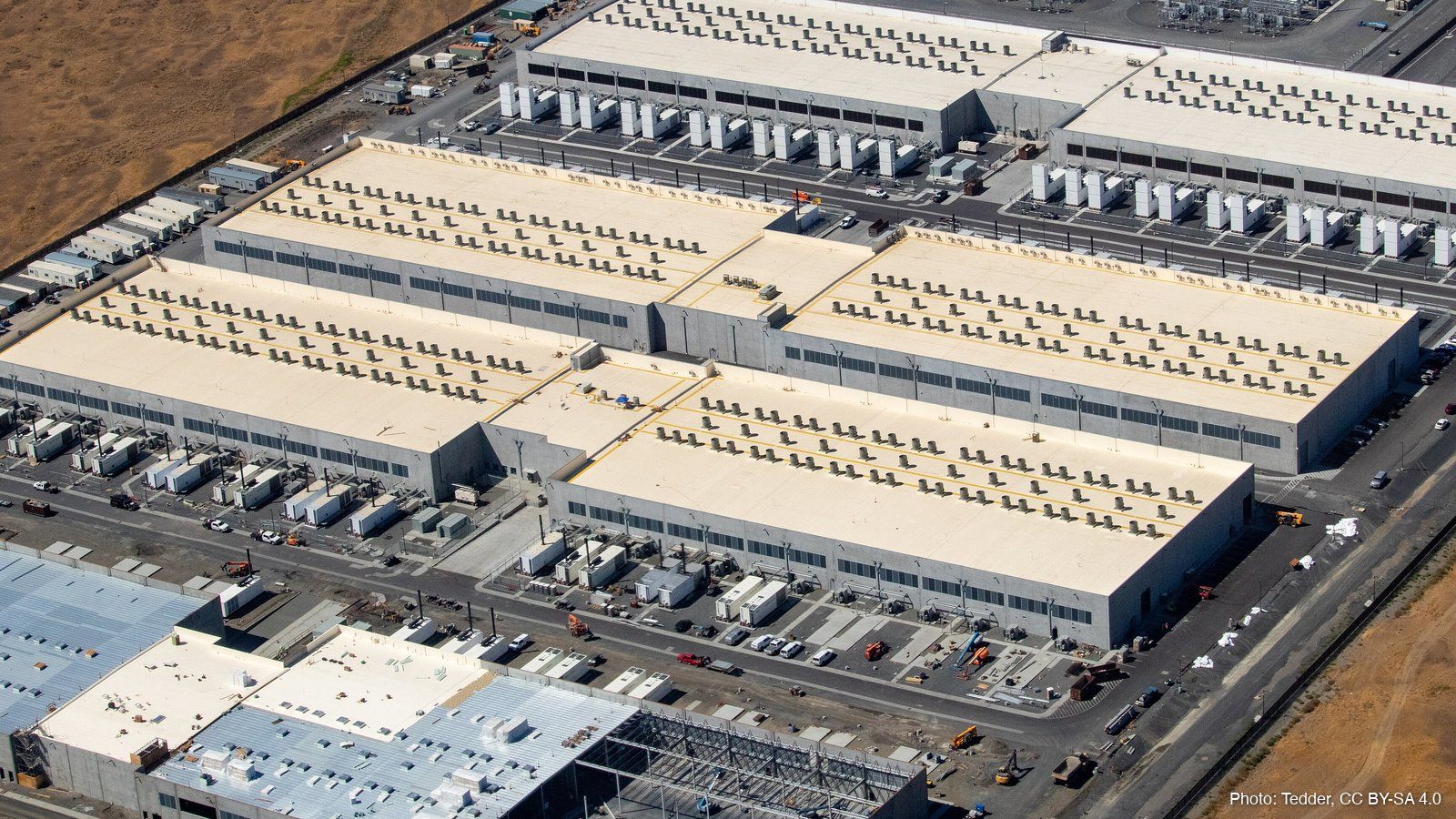
- Cover photo: Three AWS data centres in Umatilla, Oregon, with a fourth under construction, by Tedder, CC BY-SA 4.0

You may republish this story under CC BY 4.0: credit Arshdeep Singh and link to this page.