AI code checker Blacksmith becomes a $1 billion unicorn with a $66 million raise
Sequoia led the Series C, two months after a $550 million valuation, as AI writes more code and every line needs testing.

Picture this. About a year ago, a small startup was valued at $60 million. On 21 October 2026, investors said it is worth $1 billion. That is more than 16 times higher. The startup is called Blacksmith, and it does not make a flashy app. It checks code.
That day, Blacksmith announced a $66 million Series C round led by Sequoia Capital at a $1 billion valuation. That price tag makes it a "unicorn". Here is what the company does, what those words mean, and why investors are paying so much.
So what does Blacksmith actually do?
Think of a school exam. A student writes the answers. Then a teacher checks every page before the marks go out. In software, writing code is the student's part. Checking it is the teacher's part.
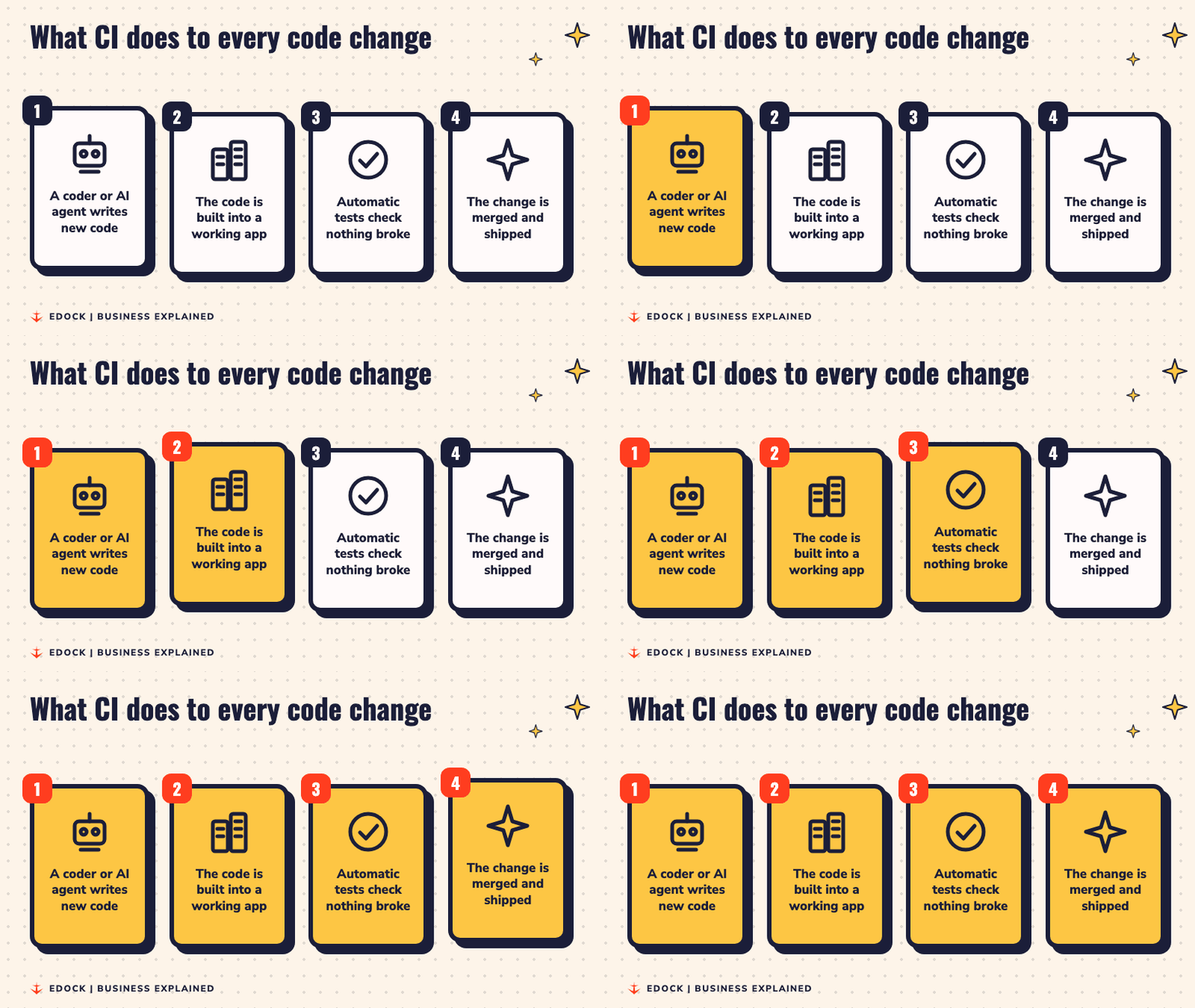
Every time a coder changes an app, the new code must be put together, or "built", and then tested to make sure nothing else broke. This step has a name: continuous integration, or CI. TechCrunch describes it as the process of building, testing, merging and validating code changes. "Merging" means adding the checked change into the main app, like pasting a corrected page back into a big group project.
Blacksmith runs this checking step for other companies on its own computers. It calls itself "the CI cloud". A cloud here simply means powerful computers in a data centre that you rent over the internet, instead of buying your own. Companies send Blacksmith their build and test work, and Blacksmith runs it for them.
Why is checking code suddenly such a big deal?
Because AI now writes a lot of code. Tools like Cursor, OpenAI's Codex and Anthropic's Claude Code have made it much easier to produce code. But fast code still has to be checked. The founders built Blacksmith on the bet that testing code, not writing it, would become the slow part of making software.
Imagine a samosa stall that buys a machine that makes samosas ten times faster. Great news, until the one person who checks and packs them cannot keep up. The queue now forms at the packing table. Blacksmith wants to be that packing table, but much bigger and faster.
The company's own blog points to an example. It says Anthropic, the maker of Claude, wrote that its CI volume grew 25 times in six months as Claude took over most of its code writing.
CEO Aditya Jayaprakash put the worry simply: "As agents write more of the world's software, the question that matters is whether it can be trusted." An agent here means an AI tool that can do a task on its own, like writing and fixing code.
The numbers behind the hype
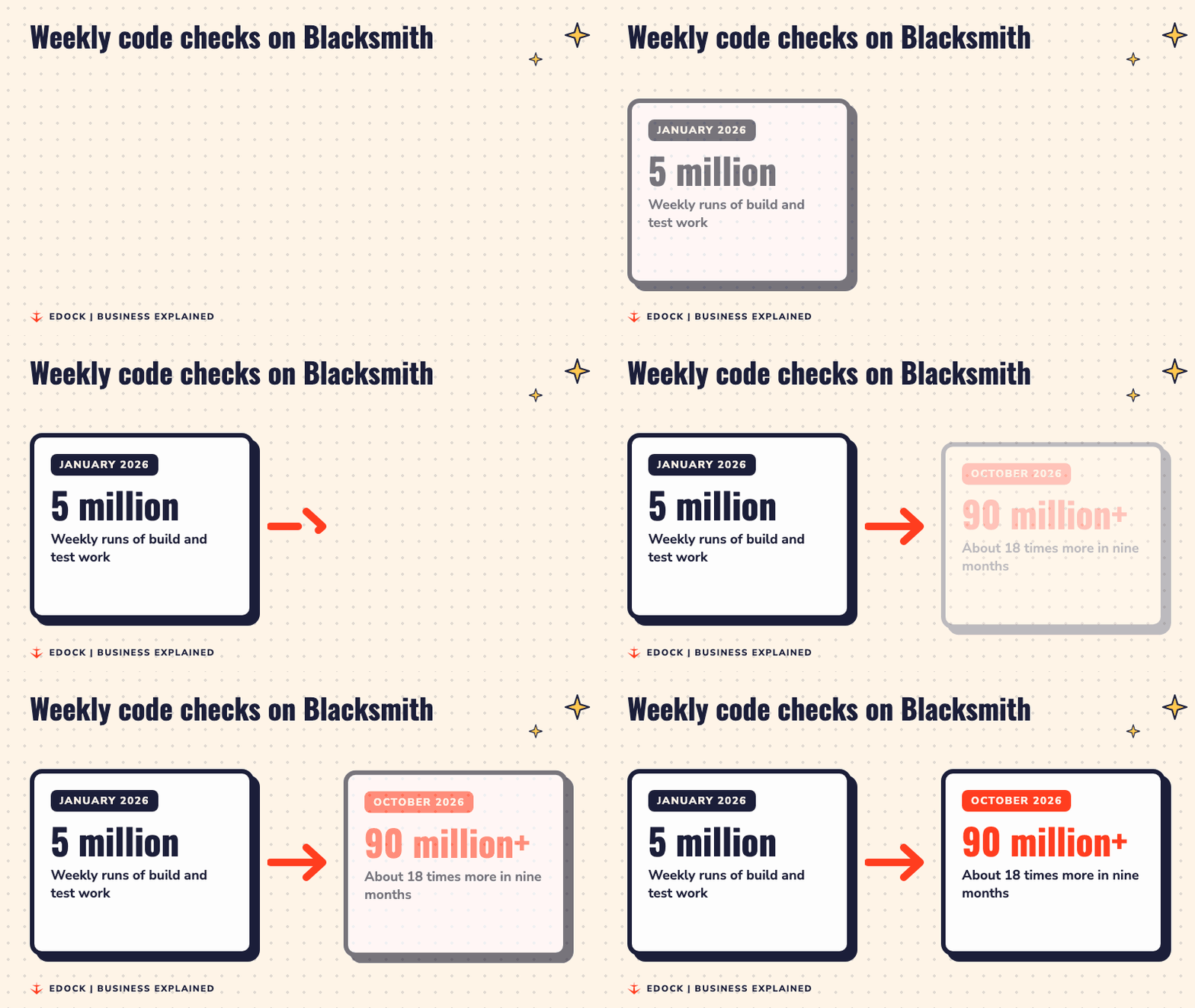
Blacksmith says the number of build and test runs on its platform each week grew from 5 million in January to more than 90 million. That is about 18 times more in roughly nine months.
Over the same time, its ARR grew 17 times. ARR means annual recurring revenue: the money a company expects to earn in a year from customers who pay again and again. Think of a tuition centre where students pay every month. Add up one year of those fees, and you get its ARR.
Other numbers the company shared:
- More than 10,000 companies run their CI on Blacksmith, including Ashby, Granola, Handshake and LangChain.
- It says customers' checks finish twice as fast and at 60% lower cost on average.
- It manages nearly 10 MW of computing power across data centres in the US and Europe, and plans to grow that 5 times in 2027.
What are Series C and a unicorn?
Startups raise money in stages, a bit like levels in a video game. The first small amounts are called seed money. Then come Series A, Series B and Series C. Each new round is usually bigger, because the company has grown and needs more fuel.
In return, investors get a small part of the company. The valuation is what the whole company is said to be worth in that deal. If friends value your lemonade stall at Rs 1,000 and one friend pays Rs 100, that friend now owns one tenth of it.
A unicorn is a private startup valued at $1 billion or more. The name comes from the idea that such companies are as rare as the magical animal.
A very fast climb
Blacksmith was founded in 2024 by Aditya Jayaprakash, Aayush Shah and Aditya Maru. The three met as undergraduate students at the University of Waterloo.
Here is how its value moved:
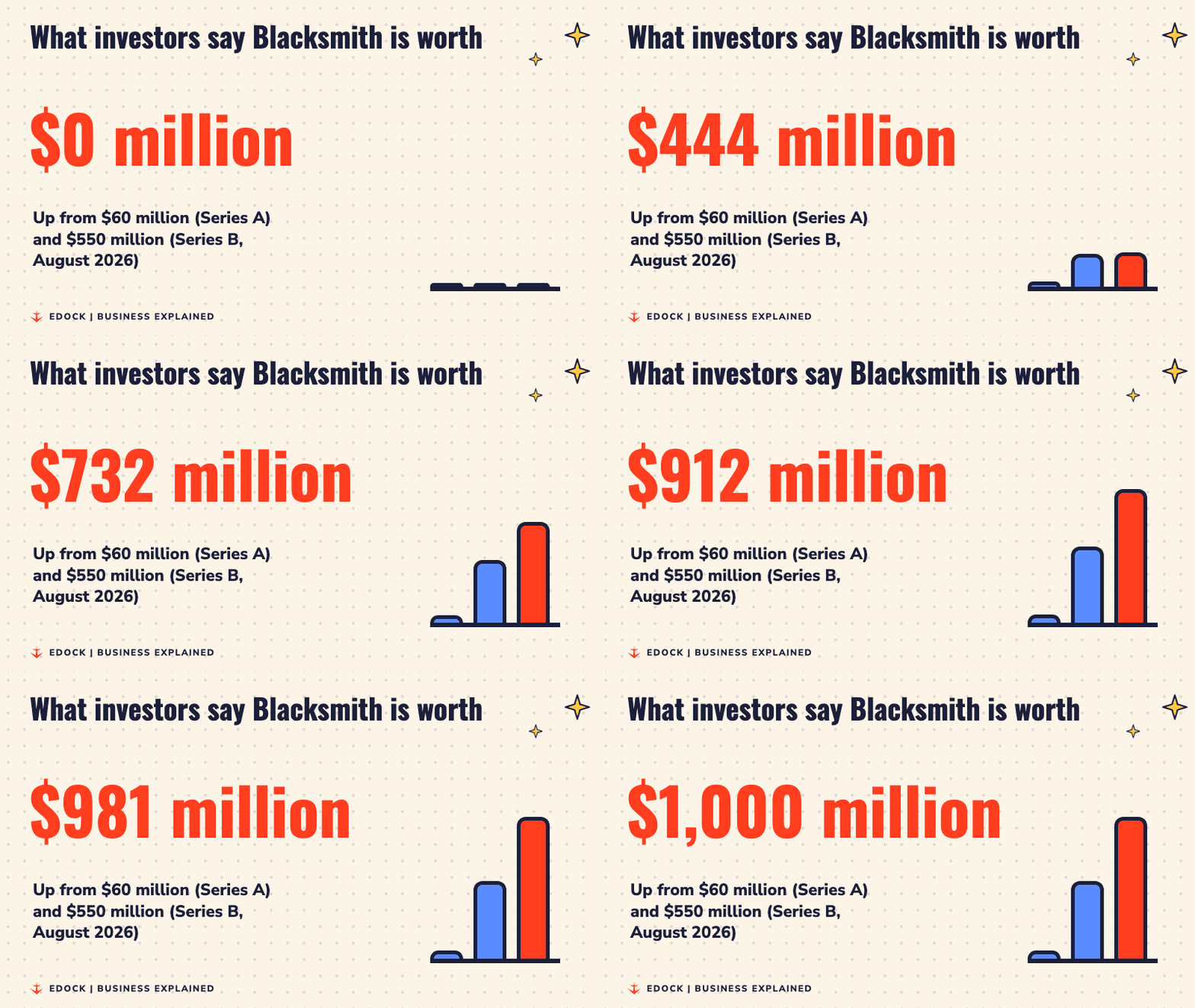
- Series A: $10 million raised at a $60 million valuation.
- Series B, August 2026: $45 million raised, led by Peak XV Partners, at a $550 million valuation.
- Series C, October 2026: $66 million raised at a $1 billion valuation, just two months after the Series B.
Along with Sequoia, the new round included Premji Invest and existing investors Peak XV Partners, Google Ventures and Y Combinator. In all, Blacksmith has now raised $125 million.
Why do investors pay so much for AI tools?
Investors are not paying for what Blacksmith earns today. They are betting on what it could earn if its growth continues. Sequoia partner Isaiah Boone said the team "understood early that as AI agents wrote more code, the infrastructure to build and test it would need to change."
There is also a simple logic. If AI keeps writing more code, more code needs checking. A company that sells the checking can grow along with the whole AI boom.
But it is not a free run. In August, TechCrunch listed competitors such as GitHub Actions, Cursor Automations and code-testing services from Amazon Web Services, Microsoft Azure and Google Cloud. Big players can be tough rivals.
Where will the money go?
Blacksmith says the new money will help it grow its team and expand its compute footprint, which means adding more computers in more data centres. It is hiring engineers in New York and San Francisco.
For students learning to code, the story carries a clear signal. Writing code is getting easier with AI. Checking that the code is safe and correct is becoming a big business of its own.
Sources
- Blacksmith raises Sequoia-led Series C at $1 billion valuation (PR Newswire, 21 Oct 2026)
- Blacksmith blog: Series C announcement
- Blacksmith hits unicorn valuation after Sequoia leads Series C (TechCrunch, 21 Oct 2026)
- Peak XV-backed AI startup Blacksmith nets $66 Mn at a unicorn valuation (Inc42)
- Blacksmith's valuation jumps 10x to $550M (TechCrunch, 12 Aug 2026)
- Cover photo: Datacenter Server Racks, by Carl Lender, CC BY 2.0

You may republish this story under CC BY 4.0: credit Arshdeep Singh and link to this page.