Accenture sets a Rs 2,700 monthly limit on Claude AI use per employee
Some staff had been spending over Rs 94,000 a month on the AI tool. Here is what changed, what a token is, and how extra use now works.


Picture this: your office gives you a lunch card with Rs 2,700 on it for the whole month. That is about Rs 90 a day. Now imagine some of your colleagues used to spend more than Rs 94,000 a month on the same card. That is roughly what just happened at Accenture, one of the biggest consulting companies in the world, except the "lunch" is an AI tool called Claude. The news came out in a 404 Media report on 15 October 2026, and Mint covered it on 16 October 2026.
What exactly changed?
According to Mint, Accenture set a monthly allowance of $29 (around Rs 2,700) per employee for Claude Enterprise, for most of its workforce. Claude Enterprise is the company version of Claude, an AI assistant made by Anthropic that can write, summarise and help with computer code.
Employees heard about it through an internal memo, a note sent only inside the company. Mint reports the memo was titled "Claude Enterprise Users: Important Updates to Licensing and Usage Costs", and that the new rules took effect from 1 October.
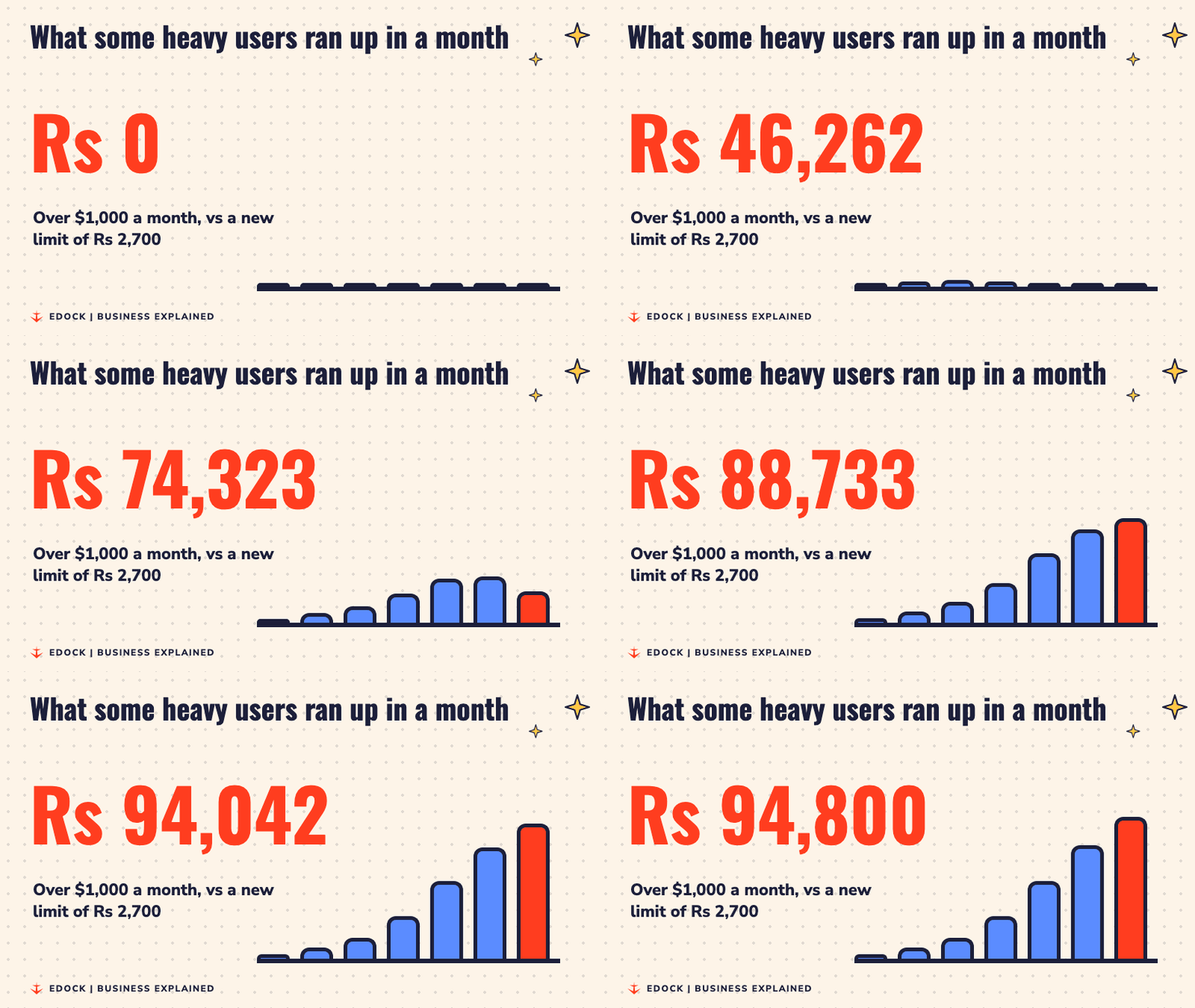
The big surprise is the gap. 404 Media says some employees under the new cap had been spending as much as $1,000 a month on Claude. Mint puts that at around Rs 94,800. So the old bill for a heavy user was more than 30 times the new limit.

Wait, how can an AI tool cost Rs 94,000 a month?
Most people know AI apps with a fixed monthly fee, like a phone recharge. Company AI often works more like an electricity meter. You pay for how much you use.
The unit of use is called a token. A token is a small piece of a word. When you ask the AI a question, it reads tokens. When it answers, it writes tokens. Each token costs a tiny amount. One short chat costs almost nothing. But if someone asks the AI to read huge files or write lots of code all day, the meter spins fast, just like running an AC all day in May.
404 Media describes this as part of a wider pattern: companies spent heavily on AI tools and are now finding that many users are burning through AI tokens quickly. In response, many firms have started to limit how much staff can use. In that earlier report, 404 Media said Accenture itself was looking at how to stop non-technical workers from using up AI token budgets on simple tasks like turning PDFs into presentation slides.
Not everyone gets the same plan
Think of it like a mobile plan with a basic pack and a premium pack. Mint reports that some Accenture employees are on Premium plans, which include $250 (around Rs 23,700) of token use every week. But a large number of staff are on the General plan, which is the one with the $29 monthly limit.
404 Media says the change left some employees scrambling to find ways to keep using the tool as much as before.
Can people still use more than the limit?
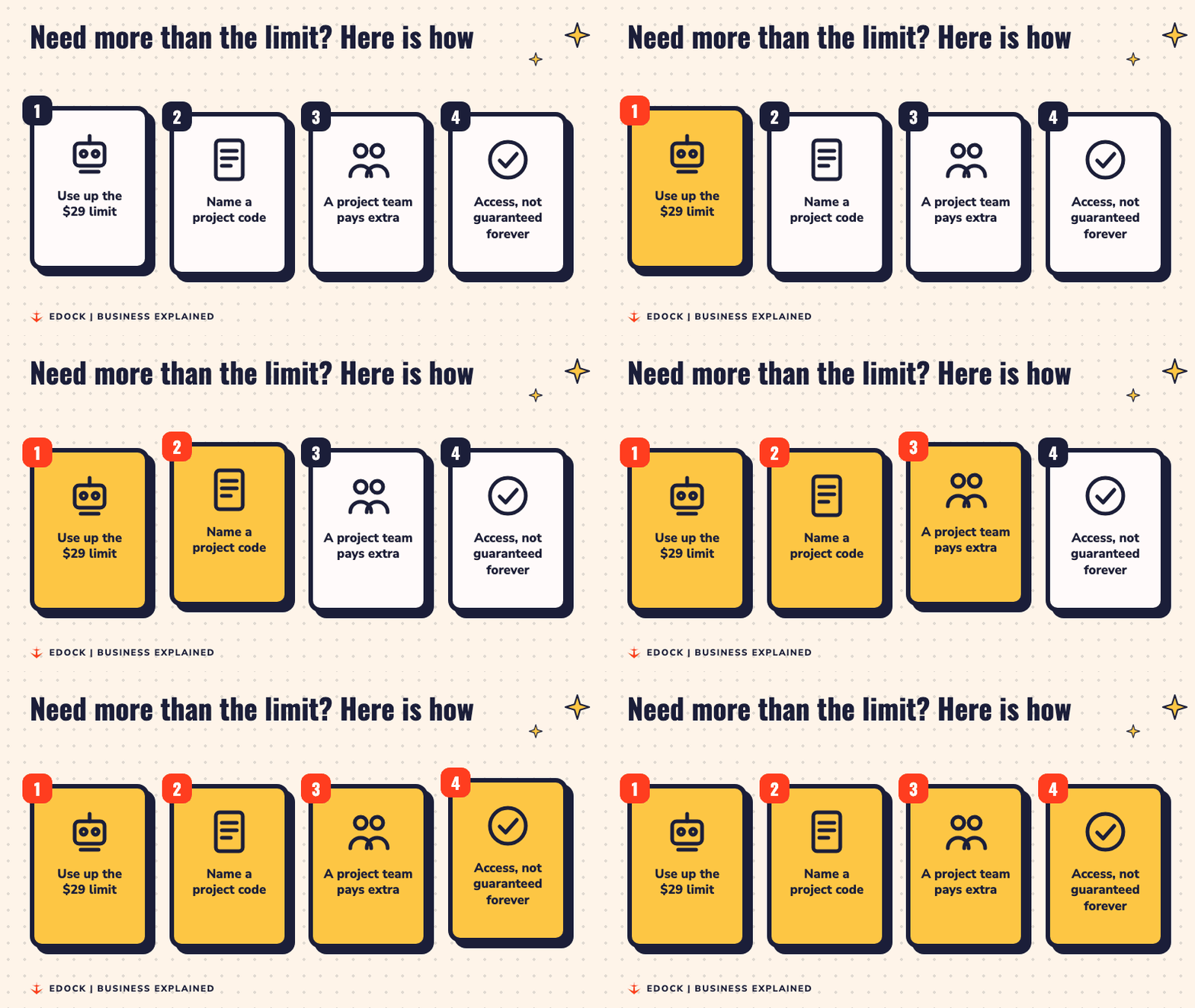
Yes, but there is paperwork. Accenture has not banned use beyond $29. Mint reports that anyone who wants more must submit a Work Breakdown Structure, a project code.
This code says which project or team will pay the extra bill. Imagine a college fest. If the music team wants a bigger speaker, the fest committee asks: whose budget pays for it? The project code answers that question.
Even then, access is not forever. According to the memo quoted by Mint, giving a project code and getting a licence does not promise ongoing access to Claude. As needs change, licences may be moved to where they give the most value.
What does Accenture say?
An Accenture spokesperson told 404 Media, as reported by Mint: "At the foundation, we make AI available to all our people." The spokesperson also said the company's approach is "to provide the right tool for the right work", and that it keeps investing in AI skills and tools.
Accenture is not stepping back from AI. Mint reports the company has grown its AI and data workforce from 40,000 to nearly 110,000 people.
The Claude connection goes back to 2025
This is not a random tool for Accenture. On 9 December 2025, Accenture and Anthropic announced a multi-year partnership. As part of it, about 30,000 Accenture professionals were to be trained on Claude, and Claude Code, the coding version of the tool, was to be made available to tens of thousands of Accenture developers.
404 Media pointed out the irony: Accenture has encouraged its clients to invest heavily in AI, and is now limiting its own staff's spending on it.
Why should young Indians care?
Accenture is huge. Its India web page lists 814k employees worldwide. And according to Storyboard18, Accenture's hiring is closely watched in India, where it employs a significant share of its global staff. So rules like this can shape the daily work of a lot of people in Bengaluru, Hyderabad, Pune and other tech cities.
For students and freshers, the lesson is simple. At many companies, AI is no longer an unlimited free buffet. It is more like a plate with a fixed price. Knowing how to get good results from AI while using fewer tokens, by asking clear questions and not pasting in whole files when a paragraph will do, could become a useful work skill.
The bottom line
From 1 October, most Accenture staff on the General plan get $29, or about Rs 2,700, of Claude use a month. Some had been spending over Rs 94,000. Extra use is still possible, but a project has to pay for it. It is a clear sign that even the companies selling AI to the world are now watching the meter closely.
Sources
- Mint: Accenture sets Rs 2,700 per employee monthly limit on Claude AI usage
- 404 Media: Accenture tells employees they can now spend only $29 on Claude per month
- 404 Media: The tokenpocalypse is here, companies are scrambling to stop spending so much on AI
- Anthropic: Accenture and Anthropic launch multi-year partnership
- Accenture Newsroom: Accenture and Within partnership
- Accenture in India
- Storyboard18: Accenture adds over 2,700 employees
- Cover photo: Desktop with laptop and calculator, by unknown author (via Unsplash), CC0

You may republish this story under CC BY 4.0: credit Arshdeep Singh and link to this page.