43% of Indian two-wheeler buyers now seriously consider going electric
Version 1 of 1 saved 27 Oct 2026, 7:52 am IST · Chain line 262
As it was first published
43% of Indian two-wheeler buyers now seriously consider going electric
A new survey shows fewer buyers rejecting electric scooters and bikes, and the questions sellers still have to answer.
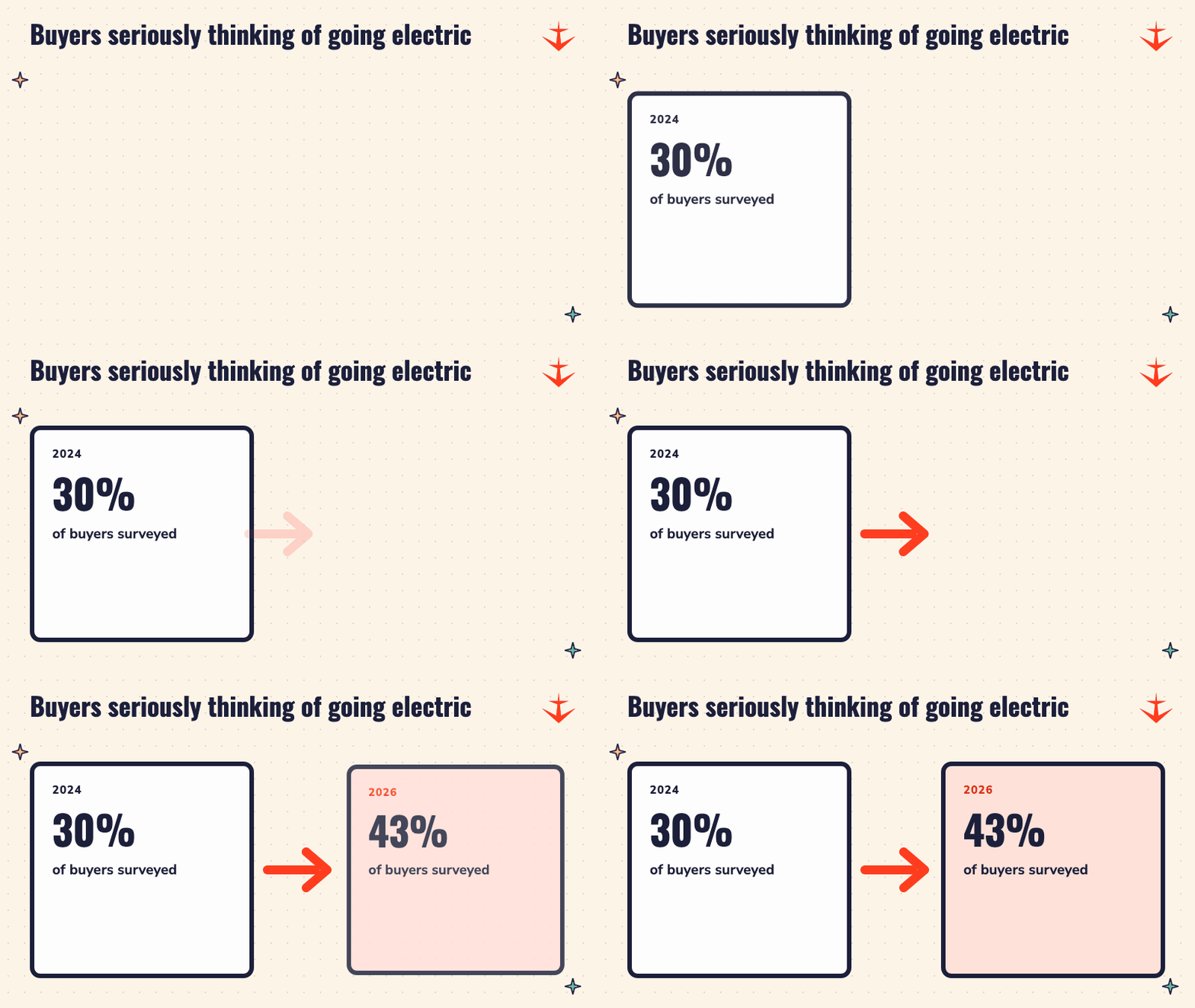
Picture 100 people walking into a two-wheeler showroom in India. Two years ago, only 30 of them were seriously thinking about an electric scooter or bike. Today, that number is 43. That is close to half the room.
This comes from a report by the Boston Consulting Group released on Monday, 26 October 2026. The same report says that 43 per cent of Indian two-wheeler buyers are now actively considering an electric vehicle, up from 30 per cent in 2024. And the number of people who say a flat "no" to electric has dropped too.
For anyone who sells scooters and bikes, this is a big change in what the customer is thinking before they even reach the counter.
Who was asked?
The Boston Consulting Group is a big consulting firm. Companies pay it to study markets and give advice. This is the third edition of its report on electric two-wheelers in India.
According to The Economic Times, the firm surveyed 1,600 people who already own a two-wheeler or plan to buy one. A survey is simply asking lots of people the same questions, like a class teacher asking every student which sport they like.
The people came from all over India. About 45 per cent lived in metro and Tier 1 cities, the biggest cities like Delhi or Bengaluru. About 55 per cent lived in Tier 2 cities and smaller towns. So more than half the answers came from outside the big cities.
The firm then compared these answers with its own 2024 survey. It also used official sales data from Vahan, the government's vehicle registration system, and from SIAM, the industry group of vehicle makers, up to August 2026.
Considering versus rejecting: why sellers care
Think about how you buy a new cricket bat. First, you make a short list in your head. Some bats are on it. Some you have already crossed out. Sellers call this short list "consideration". If your product is not on the list, the customer will probably never buy it, however good it is.
Now look at the two numbers from the report:
- Actively considering electric: 30 per cent in 2024, 43 per cent in 2026.
- Rejecting electric outright: 38 per cent in 2024, 29 per cent now.
"Outright rejection" means the buyer has crossed electric off the list completely. That group shrank by 9 percentage points in two years. The group with electric on the list grew by 13 points.
The report also found that a group it calls "E2W Enthusiasts", the people most excited about electric two-wheelers, has grown 1.5 times in the last two years. But the detractors, the people who stay against electric, have stayed steady at about 20 per cent of the market. So not everyone is coming round.
Are people actually buying?
Yes. Thinking is one thing, but the sales numbers moved too.
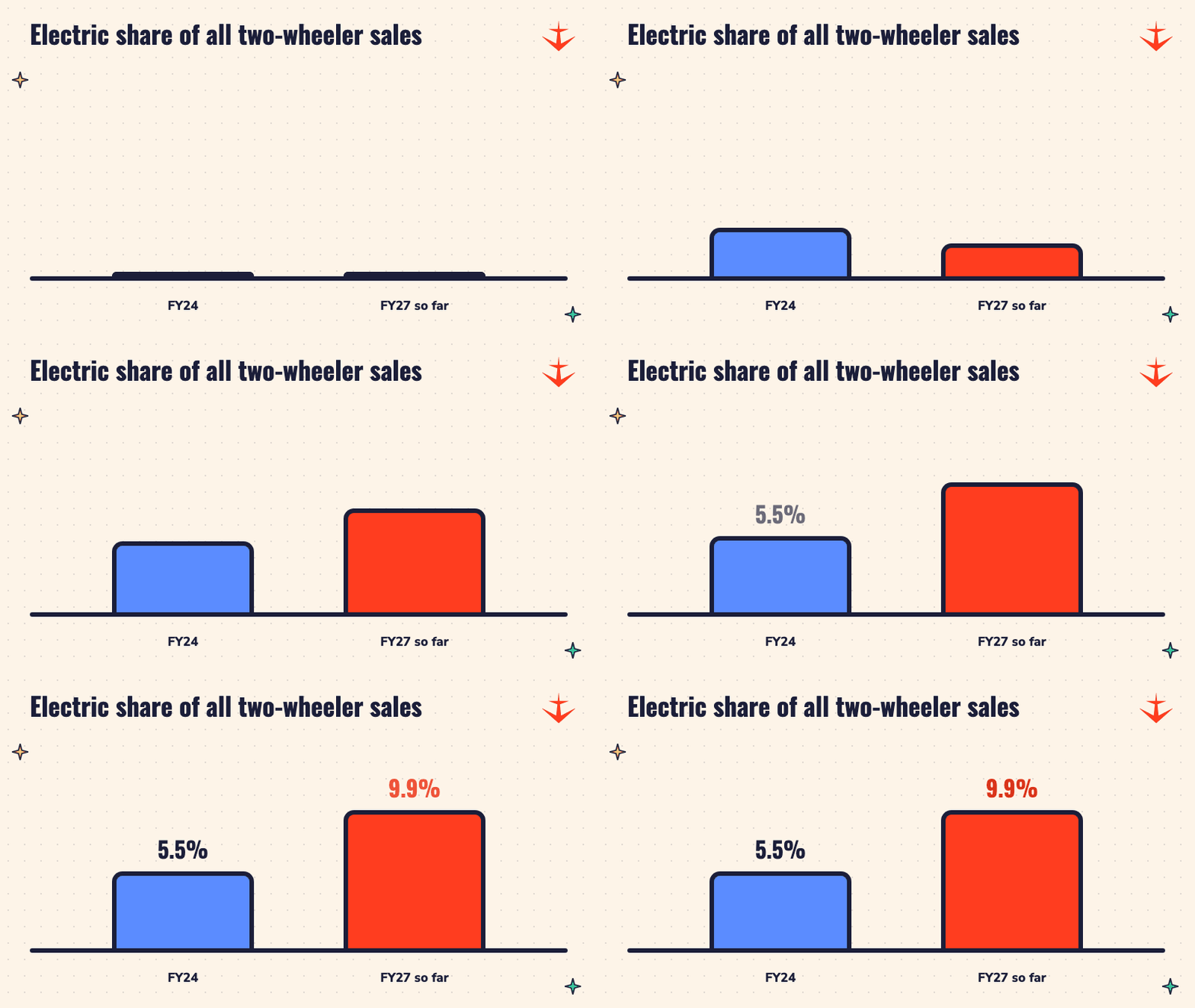
India counts its business year from April to March. This is called the financial year, or FY. FY27 started in April 2026. Between April and August 2026, electric two-wheelers made up 9.9 per cent of all two-wheeler sales. In FY24, that share was just 5.5 per cent. So the electric slice of the market has nearly doubled.
Scooters are where electric is strongest. The share of electric among scooters has gone from 16.8 per cent to 24.1 per cent. In simple words, nearly 1 in 4 scooters sold in India today is electric.
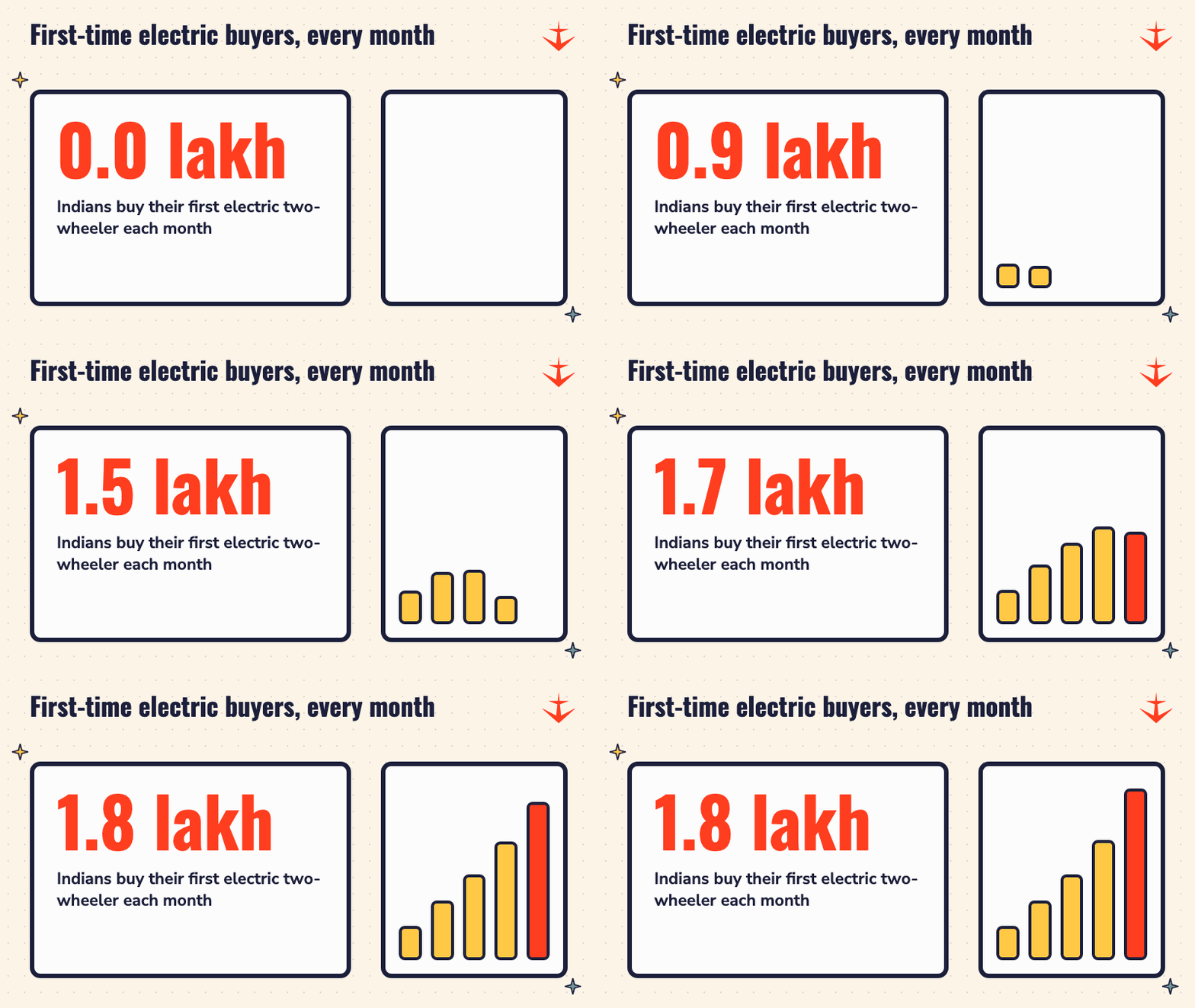
Here is another way to see it. About 1.8 lakh Indians buy their first electric two-wheeler every month. That is a huge crowd of brand-new electric riders joining the roads, month after month.
Over a longer stretch, electric scooter sales grew at a 54 per cent CAGR between FY22 and FY26. CAGR means the average yearly growth rate. Think of pocket money that grows by about half every year for four years in a row. That pace was more than three times faster than petrol scooters.
The Economic Times notes that this growth held up even through changes in government rules, including the move away from FAME and the GST reforms. FAME was a scheme launched in 2015 by the Department of Heavy Industry that gave buyers incentives for electric vehicles, a bit like a discount coupon paid for by the government.
What owners like, and what still worries buyers
For a seller, the most useful part of a report like this is knowing what is already working and what questions customers will still ask.
People who already own electric two-wheelers rated them well on low running and maintenance costs, comfort, looks, ease of handling, storage and digital features. Low running cost is like a chai that costs less every day: small savings that add up.
Looks and trust have also improved. Among people who ride short distances to work, the share who found electric two-wheelers good-looking rose from 30 per cent in 2024 to 59 per cent. Those who said they have good pickup rose from 27 to 48 per cent. And those who linked them with trusted brands went from 28 to 46 per cent.
But three worries remain:
- Rough roads: can an electric two-wheeler handle bumpy, broken roads?
- City to highway: can it go beyond short city rides?
- Longevity: how many years will it last?
The report explains the last one simply. Most electric two-wheelers have not been owned long enough for people to judge how they compare with petrol ones. It is like a new batsman: fans want to see a few seasons before they fully trust him.
What the report says brands must answer
The report's authors were clear about where the next fight is. Natarajan Sankar, Managing Director and Senior Partner at the firm, said the electric two-wheeler "is no longer an experiment for early adopters". He added that India's riders have very different needs, from delivery riders who want speed and agility to young riders in smaller towns who want a reliable, good-looking ride.
Saurabh Chhajer, Managing Director and Partner at the firm, put the selling challenge this way:
"The brands that will lead are the ones that build for how Indians actually ride, rather than for price bands alone, and that earn trust across the entire ownership journey, from service and battery assurance to insurance and resale."
In plain words: the sale does not end at the showroom. Buyers want to know who will service the vehicle, what happens if the battery has trouble, how insurance works and what the vehicle will be worth when they sell it later.
Watch: how the market is changing
This podcast from Autocar India talks about how India's two-wheeler market is evolving.
And since how long an electric scooter lasts is one of the big open questions, this video from Trakin Auto compares electric and petrol scooters over the years.
The big picture
Two years ago, electric was a choice that most buyers did not even think about. Now 43 out of every 100 buyers surveyed are seriously weighing it, and about 1 in 4 scooters sold is electric. The people who say a firm no are fewer, but they have not gone away.
For brands and dealers, the report points to the same job: answer the questions about rough roads, highways and how long the vehicle will last, and back the sale with service, battery assurance, insurance and resale support.
Sources
- The Economic Times: Nearly half of Indian two-wheeler buyers eye EVs, report
- Hi India (IANS): Nearly 43 pc of Indian two-wheeler buyers now consider EVs, report
- Wikipedia: Electric vehicle industry in India
- Autocar India on YouTube: Riding the change, how India's two-wheeler market is evolving
- Trakin Auto on YouTube: EV vs petrol scooter after 5 years
- Cover photo: Bajaj Chetak electric scooters at a Chetak store in RR Nagar, Bengaluru, by Gpkp, CC BY-SA 4.0
